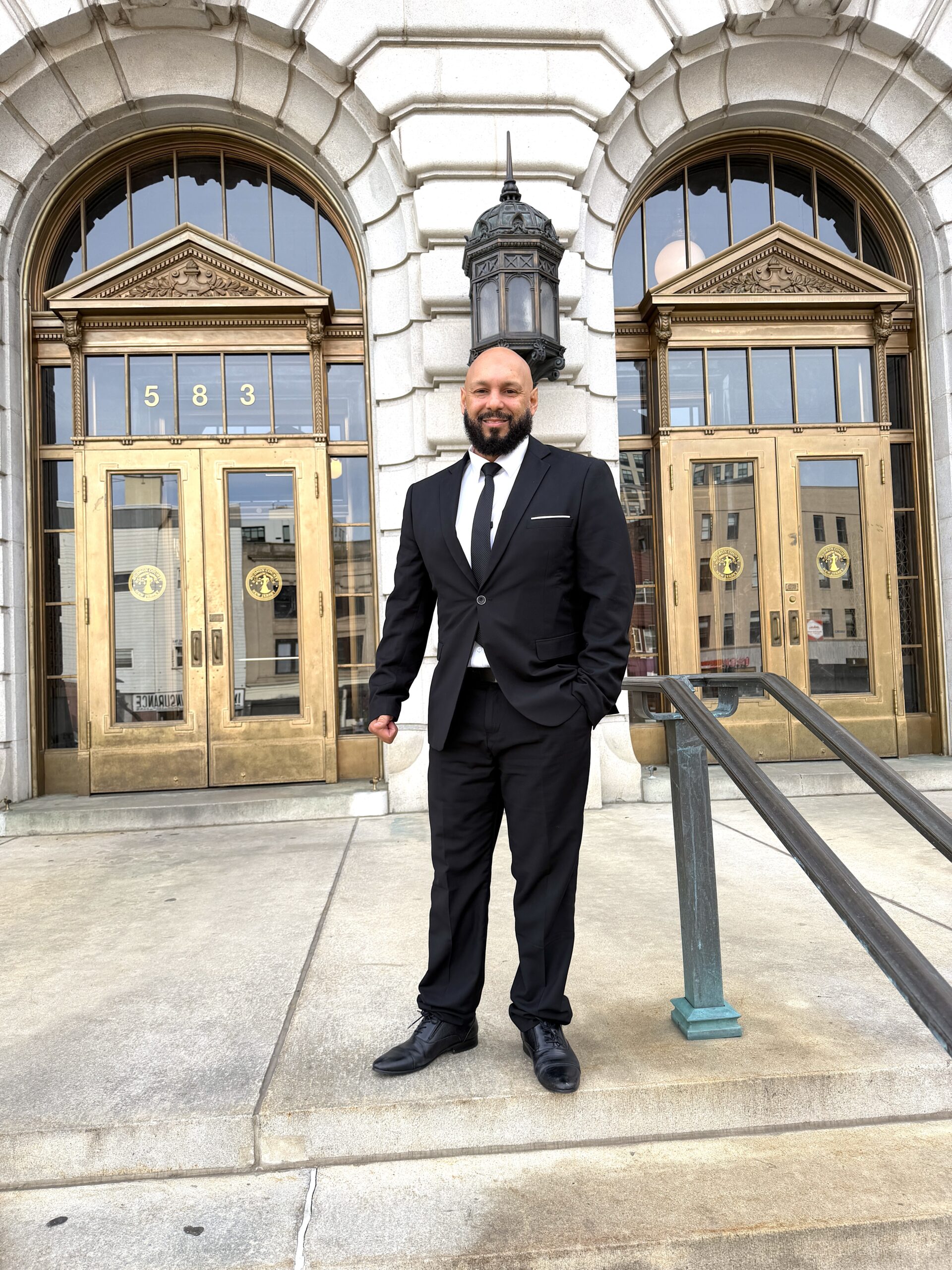
Photo courtesy of Otys Train.
In Hudson County, where development never seems to cease, a dangerous birdly misnomer exists—one that is costing their lives.
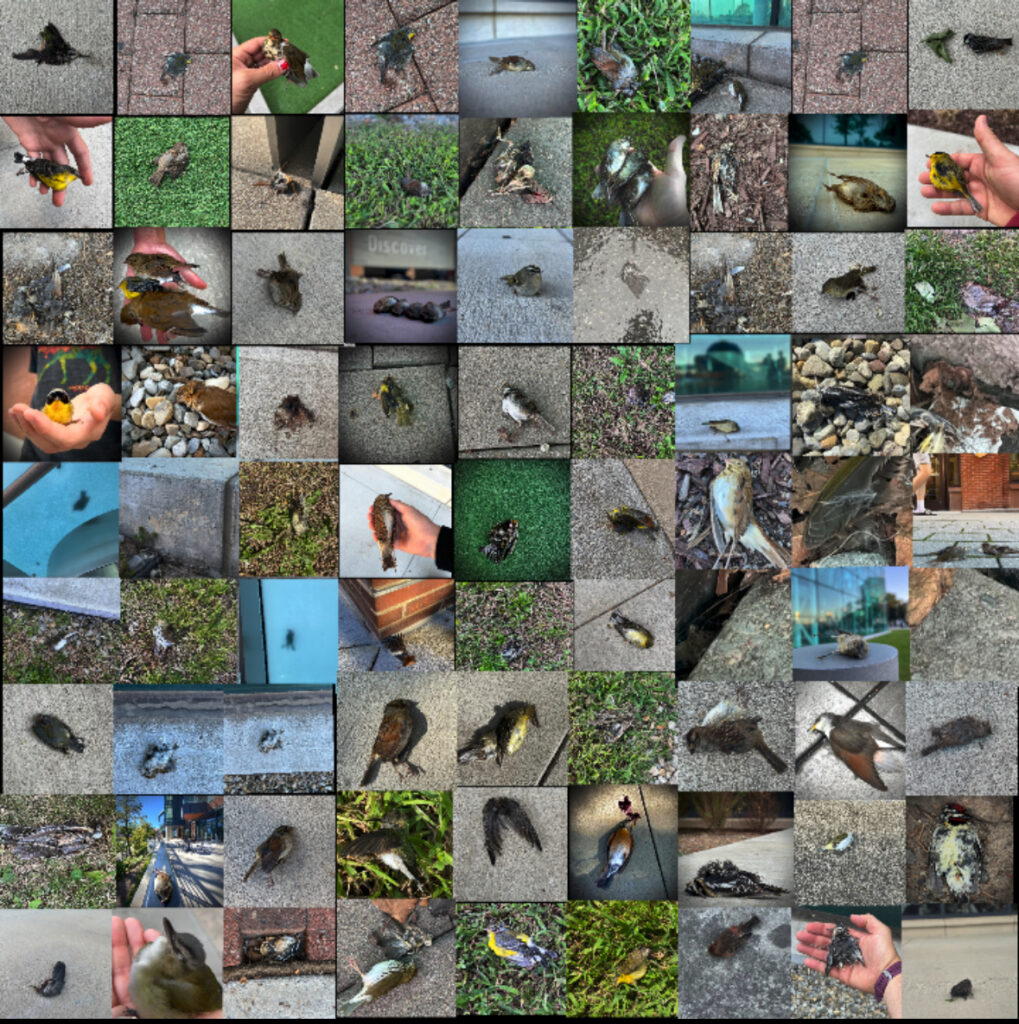
A third of all birds on the North American continent have disappeared since the 1970s, according to a report released in 2019, with the loss of nearly 3 billion birds. On an annual basis, the scope of bird deaths due to window collisions is over $1 to $2 billion in the U.S., a figure bird conservationists and activists have sounded the alarm.
Local advocates behind the “For the Birds” project say their mission is not anti-development, but rather a call for responsible building, and are pushing for similar legislation on bird friendly glass ordinances throughout the municipalities.
“I think we try to challenge the bias that the city is not a space where nature is supposed to be,” said Jeffery Train, a resident of Hoboken and the co-founder of Our Tern, a coalition of bird advocates engaging the public.

“Everybody needs to work to support birds, it’s our turn to step in.”
Long before the stretch of the Hudson River shoreline was known as Hoboken, or Hudson County, or even New Jersey, these birds were making the same journey—pausing for hours or days at a time before continuing south.
When it comes to impact, Train added that the issue is two fold:
- One stemming from a lack of awareness that windows are a threat to bird life
- The other is engagement on becoming “avian stewards,” as he calls it.
“It’s also helping people become aware of the vast bird life that is already thriving in Hoboken and needs to be protected,” Train told Slice of Culture.
Bird species in Hoboken include: Red-Wing Black Bird, House Sparrow, Blue Jay and the Great Egret.
He added that the birds’ migration pattern beckons on the flight path taken by their ancestors such as the Swamp Sparrow, which flies through a north-south migration known as the Atlantic Highway from Canada and soar over to the Palisade Cliffs in Hoboken seeking out wintering grounds or warmer climate.
He also noted that birds have a way of coming back, explaining the term “passage fidelity” or the tendency for birds to return back to the same breeding and migratory pathway.
Moving north of Hoboken, going along Weehawken’s waterfront, multiple large-scale residential projects are simultaneously under construction, including the construction of the Hartz Mountain’s Estuary development at Lincoln Harbor, a 259-unit mixed-use complex near the Hoboken border and Rockpoint Development’s 298-unit Park Apartments, with an additional caveat of development of a 282-unit community approved complex at 1800 Avenue at Port Imperial, as reported by Jersey Digs.
But so far, Weehawken and most Hudson County municipalities have no ordinances requiring either bird-safe glazing or lights-out policies during migration periods, a factor that contributes to bird casualties.
And as high rises continue on, each project adds more glass to an already reflective landscape, and bird conservationists say the consequences are mounting.
Otys Train, Jeffrey’s son, began noticing the issue of bird deaths walking alongside a trail with his father at Steven’s Institute of Technology in Hoboken. He told Slice of Culture he would hear the chirps of the Oven Bird and Warbling vireo, only to see them on the ground with his father.
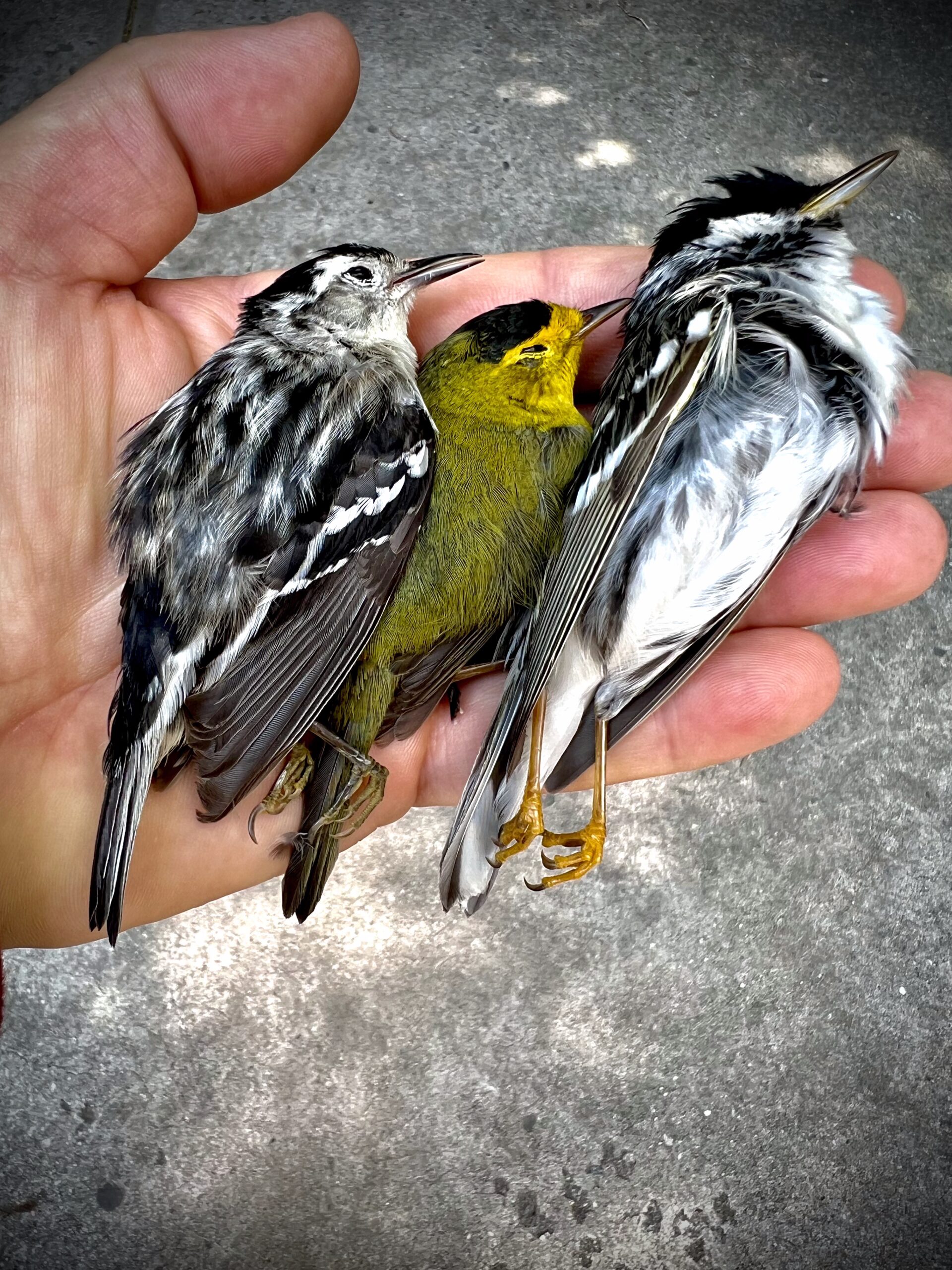
“I heard their last call,” he said, resulting in the building he said was a “problematic zone,” as birds would be prone to crashing with windows.
He added that every week he would come back to the campus with his father only to find more unknown species stacking up.
Through two micro-grants of $5,000 each through Bloomberg’s Youth Climate Action Fund, which Otys was awarded, Train was able to work on projects such as installing a feather friendly window marker to the Alessio’s Cafe building in Hoboken. This has been a “life saving effort in addressing a major issue not many people are paying attention to,” added Otys.
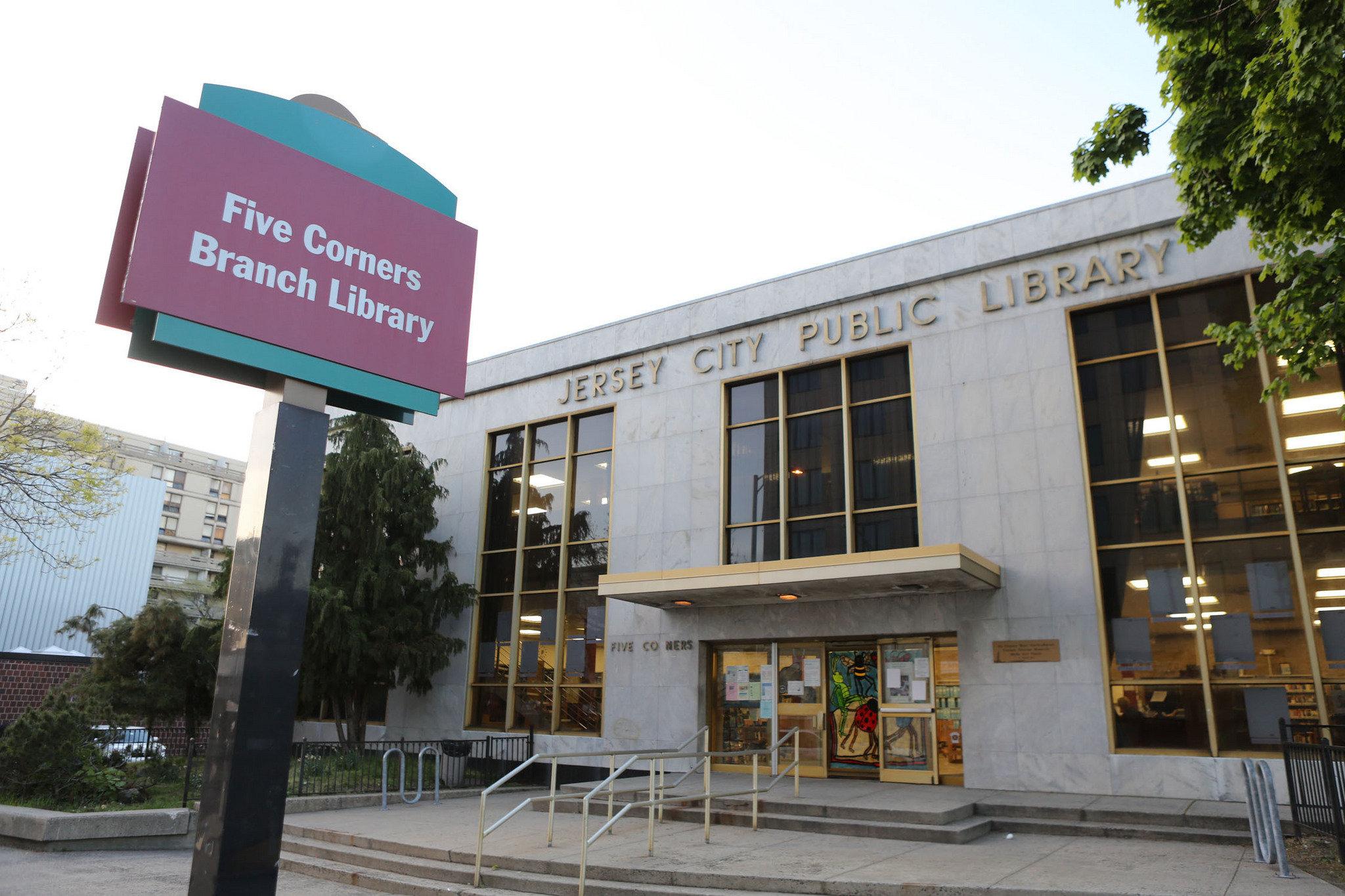
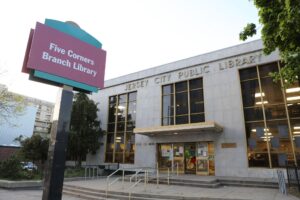
Bird-friendly building ordinances remain rare across most municipalities, but Jersey City’s recently passed bird-safe glass ordinance is setting a precedent and conservationists say it’s only a start.
“We are a central location for migrating birds and having tall structures be in their way,” said Hoboken Councilwoman Tiffanie Fisher in an interview with the Slice of Culture.
She added that any municipal bird friendly language was at a halt, as result of not having “a political environment last year that made it easy for any type of legislation through.”
The standard has been applied across the river.
New York City’s Local Law 15 of 2020, which is a landmark bird-friendly ordinance that calls for use of bird-friendly materials in exterior walls and glazing for all new buildings and major retrofits.
A PLOS ONE study by researchers at Fordham University, NYC Bird Alliance, American Bird Conservancy and Stony Brook University found that only 40% of birds injured in building collisions survive.
Back across the river, in Hudson County alone, 14 million birds migrated with over 300 species, as documented by Jersey City Birds.
Jersey City amended its Land Development regulations to require bird-friendly design for certain new construction projects, additions and major renovations—embedding the standards directly into the development review process, according to reporting by JC IN THE NEWS.
“Our hope is that other municipalities can use what we did as a guide and a play mark to this issue,” said Lorraine Freeney, the founder of Jersey City Birds (JCB), a nonprofit organization advocating for the education and preservation of bird life, told Slice of Culture.
“We are at the beginning stages of talking to some of these cities.”
The community is asking for your help in preserving their avian friends. You can get involved by following bird organizations such as: Jersey City Birds, Our Tern and the New Jersey Audubon.