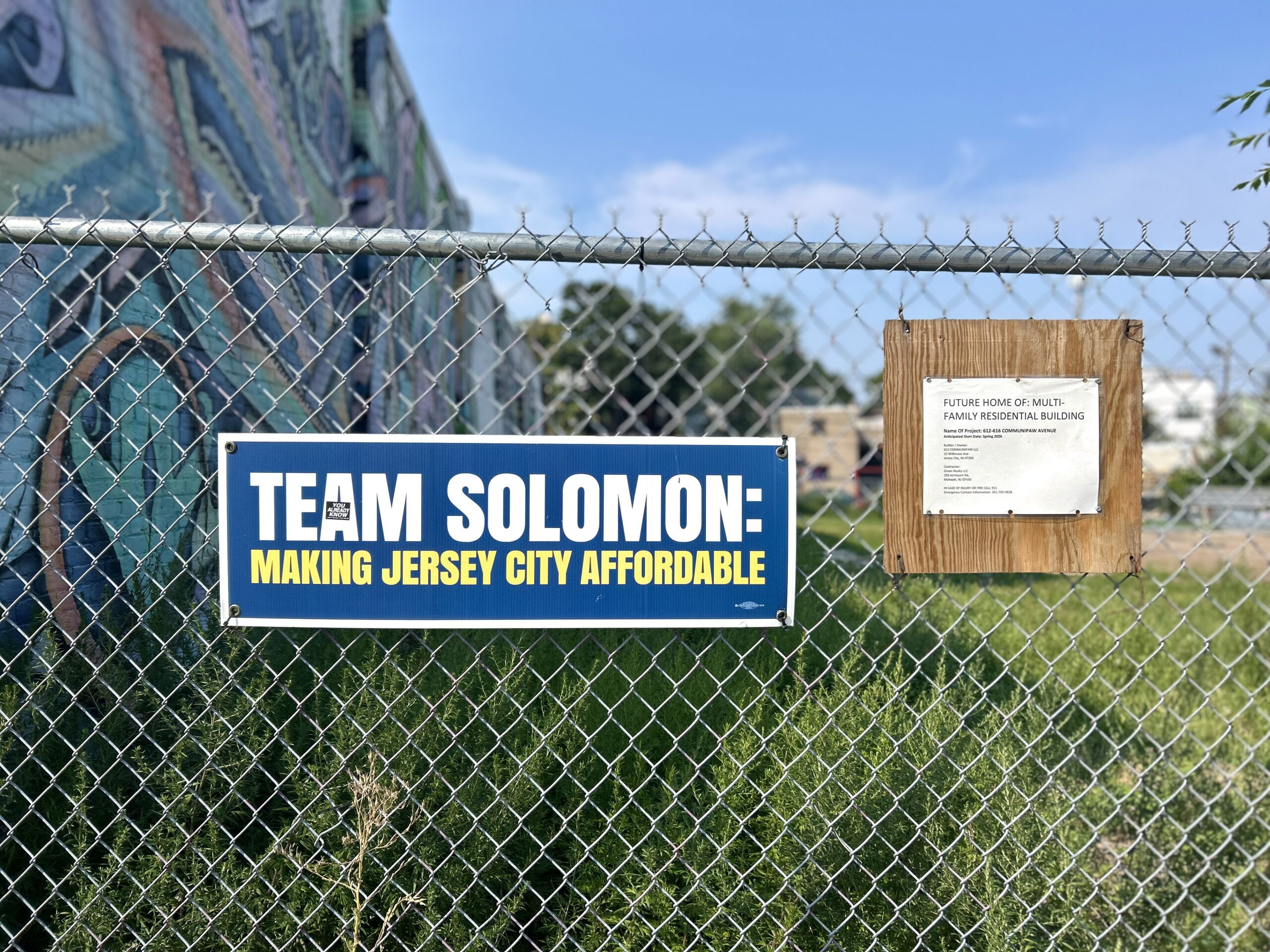
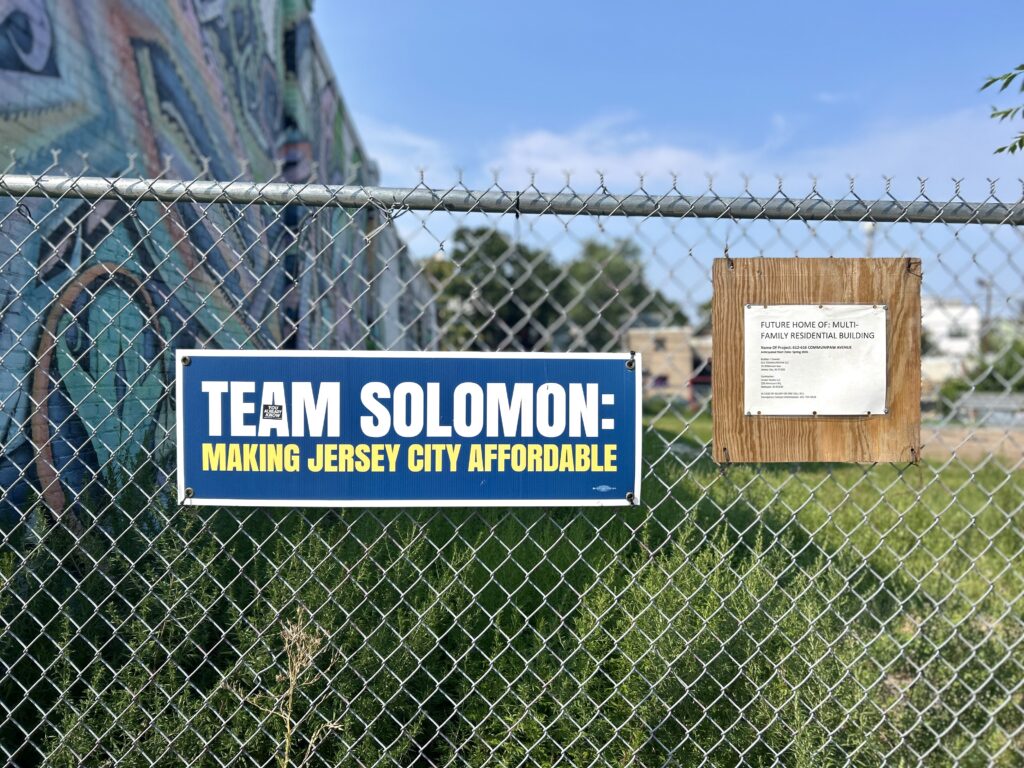
Mayor James Solomon campaign slogan next to a new development advisory near Communipaw Avenue and Seidler Street in Jersey City. (Adrienne J. Romero / SOC Images)
On June 18, 2026, Jersey City Mayor James Solomon announced a proposed 20% property tax increase aimed to fix their massive “inherited” deficit. Many residents spoke loudly against the news through social media, packed council meetings and supplementary community town halls that took space and weighed as a burden in conversations as casual as “How are you doing?”
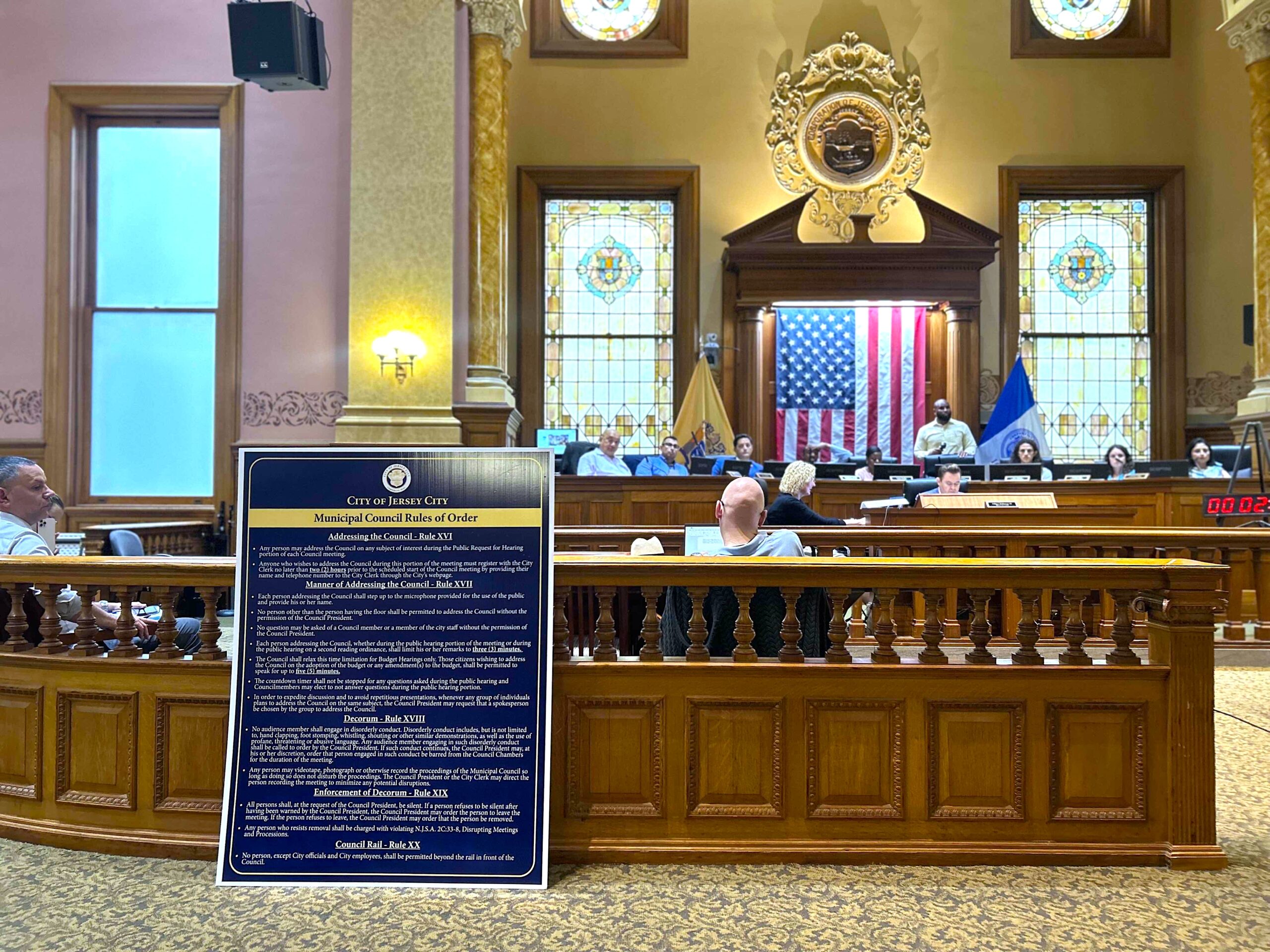
Then at an Aug. 26 special council meeting—where just a few people gathered to hear the final decision—the noise immediately dissipated after City Clerk Sean Gallagher uttered, “City resolution is approved 8-0-1.”
The 15.15% property tax increase is now a reality.

Weeks after the decision, the weight of the tax increase continues to carry, leaving many residents with a deafening thought: can they still afford Jersey City? Under the Hamilton Park gazebo, members convened on Sept. 17 on what the recently approved tax hike on the city’s approved $866 million budget would translate on paper.
The crux of the city’s ongoing, taxing dilemma comes from a set in stone 15.15% property tax increase, down from an original 20% ask, that Solomon’s administration said is necessary to close a prolonged deficit left by years of deferred spending totaling to $94 million, in deferred charges, according to a recent audit report released by the city.
The city’s annual audit is required to be fulfilled under New Jersey state law.
The tax hike has become a financial stab for many Jersey City residents, who fear that the decision would price out tenants and uproot households who have been living in the community for decades or even generations.
A Lot Of Communities Are Going To Be ‘Put Out Of Jersey City’
“I heard the fear about being homeless. People are rightfully asking… And to all those out there, your anger is very justified. [It] makes me angry, mostly because I don’t think we should be here,” said Councilman At-Large Rolando Lavarro, who choked up during the council’s comments before their final vote on Aug. 26.
Lavarro was one of the votes in favor of the amended budget that’s attached to the 15.15% tax increase, emphasizing that he will work to make sure “we are never back in this chamber on a night like this.”
Slice of Culture spoke with three longtime residents, D’me “Lady D” Van De Mark, Esther Wintner and Charles Mainor, who talked about what they’re most afraid of.
“What this tax increase means, for homeowners, it’s gonna be very significant, but then also too for renters. People that don’t live in a rent-stabilized apartment or they don’t have Section 8, their rent is going to be raised,” Van De Mark said.
“Landlords have to raise the rent so that they not only are covering their expenses, but they also have to raise the rent so that they are also making profit… a lot of marginalized communities or Black and Brown communities are going to be put out of Jersey City.”
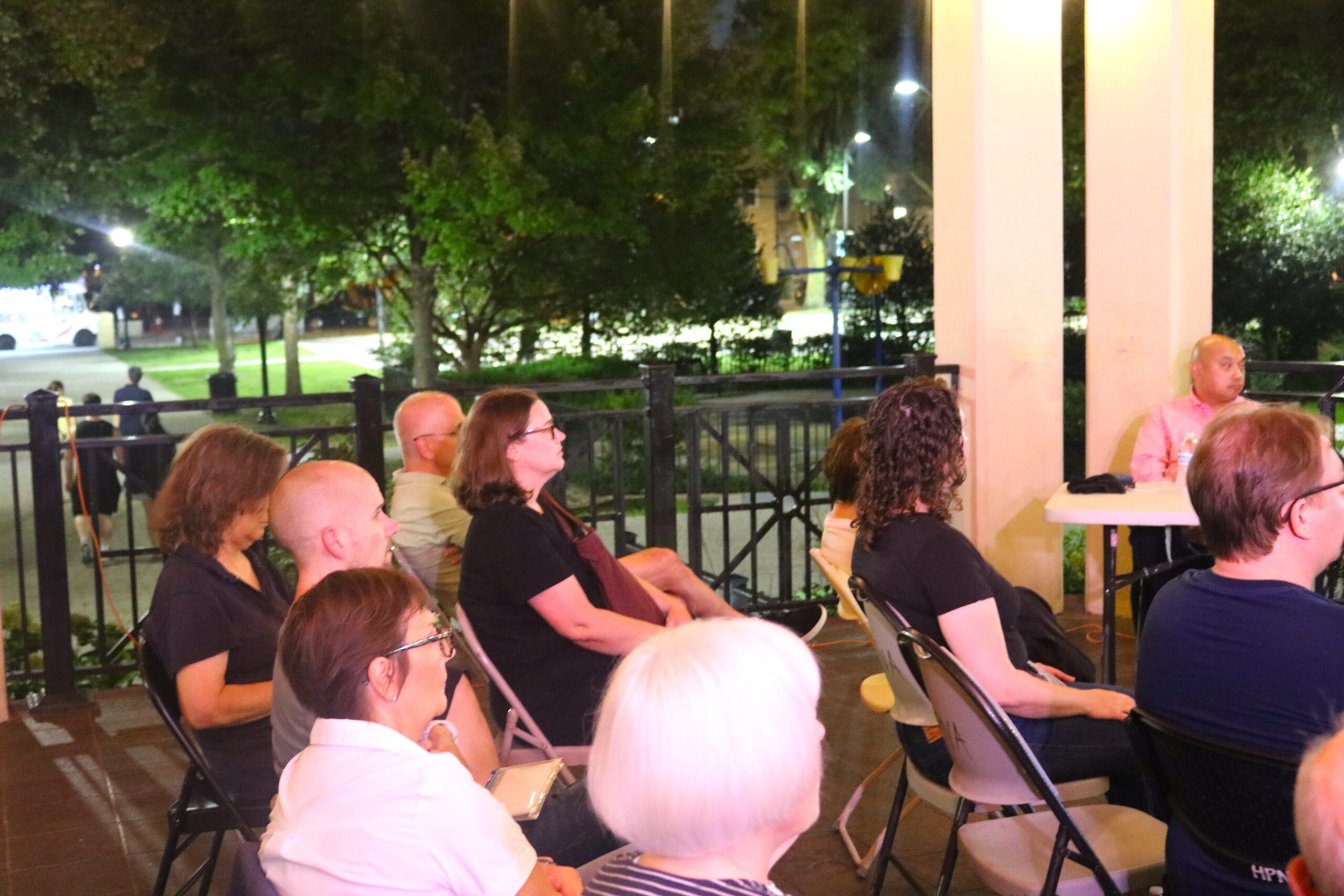
Van De Mark, Wintner and Mainor reminisced on the Jersey City they once knew.
Van De Mark and her family moved from the southside of Chicago for a better environment and made a home in Ward E before the highrises. Wintner is originally from New York City but moved across the water when she met her husband, who’s a fourth generation resident from the West Side area. Mainor, Jersey City’s NAACP President, grew up in Ward F at the Lafayette Gardens. They decorated their memories of the past with friends, family and a city that always had your back.
But now, they said, it’s all different. From the “hyper gentrification,” to childhood friends leaving and the dissolution of familial feelings, Jersey City is off track from where they think it should be.

“Jersey City was a family-oriented town. And if you look at someone’s budget, it tells you exactly what their focus is on. And education, police, fire, families and people from Jersey City is not at the top of any of the budget that’s going on right now. We’re nowhere in there,” Mainor said.
“So once that focus changed, it changes the way Jersey City is ran, which puts the people that love Jersey City in a position where they have to leave because they’re no longer being treated as true Jersey City people. So that’s the biggest change: the focus.”
Following Jersey City’s Money Trail + Thoughts From The Former Mayor
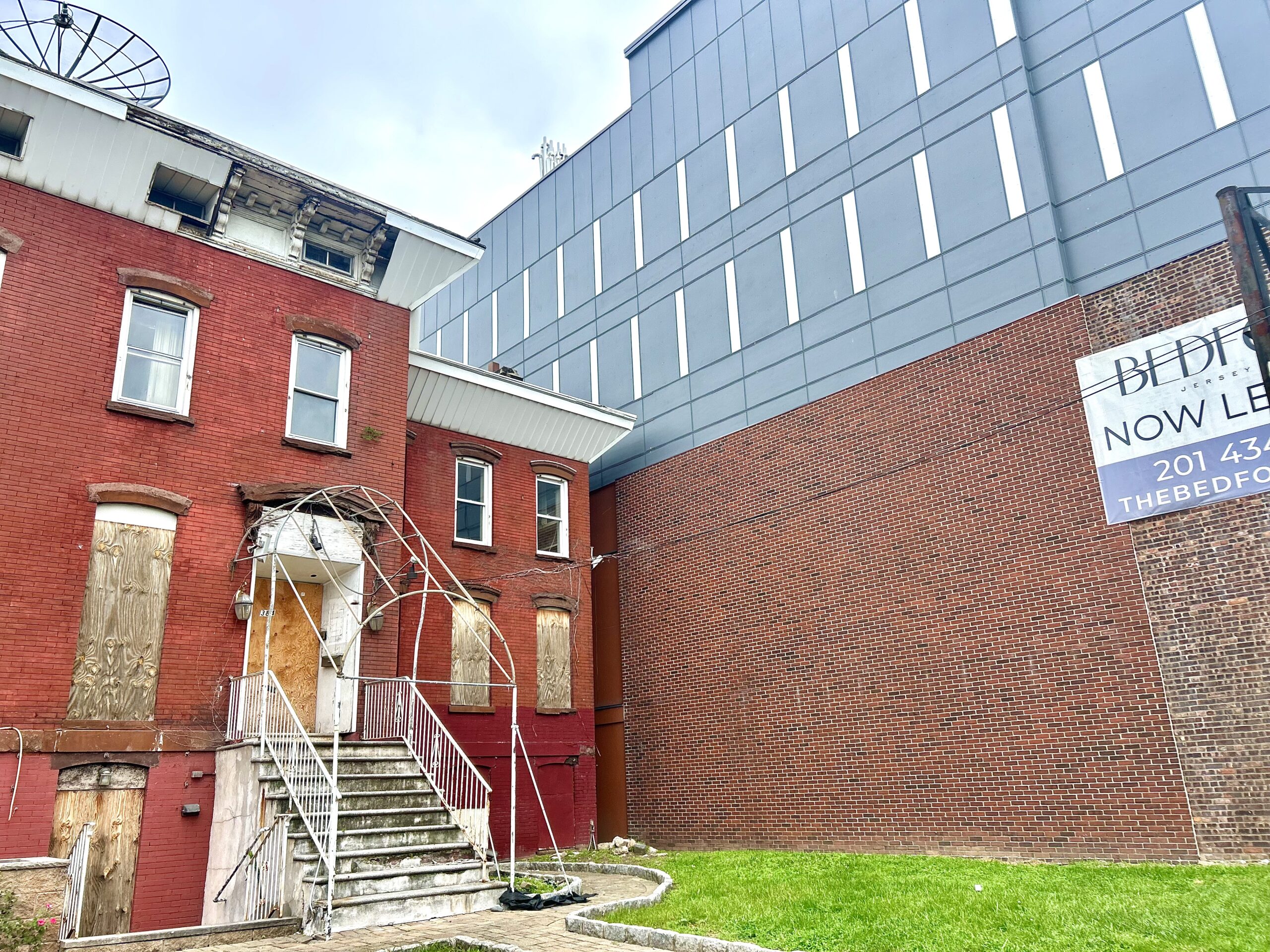
Through an OPRA request, Slice of Culture obtained a five-year period of the city’s fiscal budget documents along with the city’s budget appropriations summary reports from 2021 through 2026. In 2021, the city employed 3,627 individuals with a budget of $626.3 million in that year’s fiscal budget, according to records reviewed by Slice of Culture.
“When I first started telling the story at town halls earlier this year, I usually relate to 2020 as being the original sin in Jersey City,” said Bill Viqueira, the city’s finance director at a budget forum hosted by Hamilton Park Association on Sept. 17.
“One thing we need to start and we need to start very soon is looking at where can we be more efficient in the cost side,” he added, referring to the city’s operating expenditures, and a future “fiscal recovery plan” under the terms of the Department of Community Affairs (DCA).
The taxes on the city’s Board of Education (BOE) rose nearly 200% or $436.1 million, a figure attributed in part due to a steep reduction in New Jersey state education aid formula, added the director.
Property taxes in Jersey City are broken down into three main local entities: the municipality, the county and the BOE.
Under the hood of the city’s finances, the trail of accrued debt began in the previous Mayor Steve Fulop’s administration, connected to administrative red flags:
- Selling city property for $33 million and depleted $27 million rainy day or budget stabilization funds
- $7.7 million in uncollected bills found from off-duty Jersey City Police Department officers
- Federal Covid-relief funds under the American Rescue Plan, directed to a one-time property tax cut; Once those funds ran out, expenses were left with no recurring revenue backing the city’s expenditures
- 17 findings issues, identifying two material errors within internal controls and the city’s lack of asset inventory noted since 2014
The city borrowed money to cover day-to-day operations.
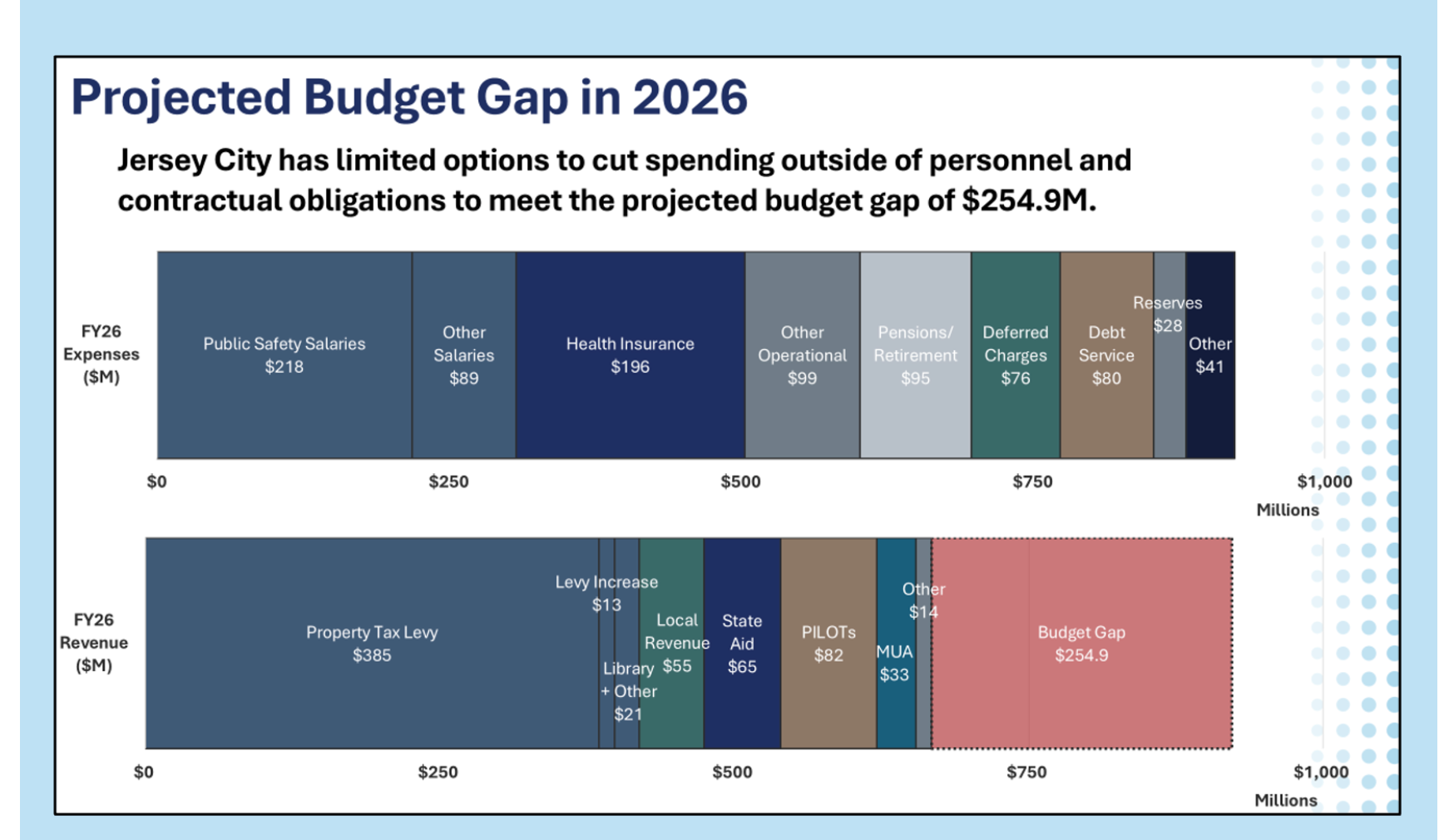
In 2021 alone, Jersey City reportedly ran a $94 million operating deficit. Over the summer, the city got state permission to issue a loan covering it—a price tag of $120 million split into one loan of $105 million and another $15 million in transitional aid grants.
Although the city has issued more than $200 million in emergency notes or short-term municipal debt since 2013 for regular operating expenses, the bulk of it in recent years.
“It is certainly important to figure out what happened in the past, so we are not repeating the same mistakes and not doing what was already done,” said Lavarro, pushing back on the previous Fulop administration, which he had previously served on for several years.
“I was very vocal about financial mismanagement and malfeasance.”
Wintner, who’s also been vocal about where the city picks out money from, emphasized that selling unused land can help fill in the budget gap.
“I think the city has to really think about where they’re gonna get money. We have to start thinking about selling some parcels of land to pay down the debt, which therefore lowers our annual budget…,” she said.
“And we have a fund called Right to Counsel that helps renters. Maybe some of that is going to have to be split with some homeowners that are truly on the brink of losing their homes and because it is the homeowners that pay into the fund. We have to think about everybody.”

Additionally, in an effort to amend past wrongs, Lavarro and Ward C Councilman Tom Zuppa co-sponsored a resolution calling for an investigation to be conducted by the New Jersey State Comptroller, assessing the fiscal operations of the Fulop administration “that contributed to the city’s current structural budget deficit,” as phrased by the resolution.
Slice of Culture requested to obtain the report of the investigation from the state comptroller, but the state deferred to comment on a statement regarding the nature or status of the requested audit report by members of the municipal council.
In a written statement to Slice of Culture, Fulop said, “Mayor Solomon has a strange obsession with my tenure – one he was completely silent about despite sitting on the City Council for eight years while all of this allegedly occurred.”
“That silence leaves only two explanations: either he was asleep on the job as a councilman, or this didn’t happen the way he’s now claiming.”
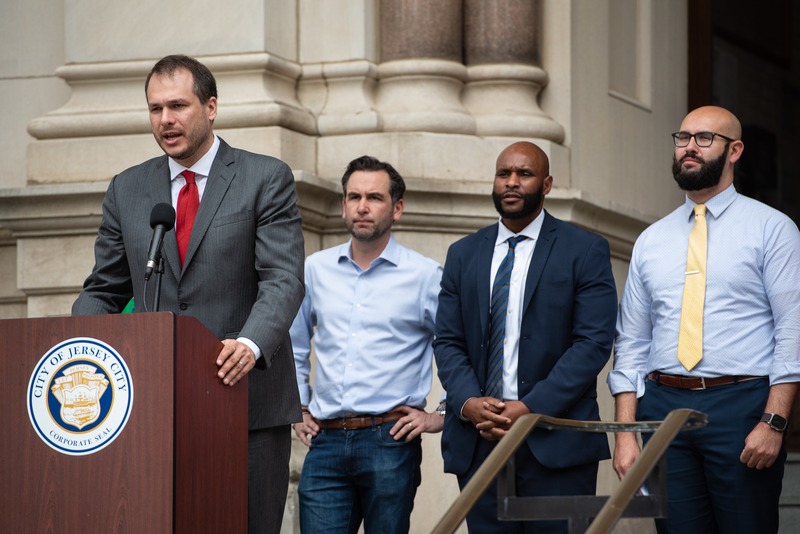
No formal investigation has been prompted against the Fulop administration, at the time of this reporting, city officials at the council told Slice of Culture.
But when it comes to correcting past wrongdoings in Jersey City, one thing remains true, the taxes are still a point of public scrutiny and a foreboding scenario.
Stu Thomas, Nathaniel Styer: Inside Solomon’s Administration
In 2024 and 2025, Solomon ran his mayoral campaign for “an affordable Jersey City” at the forefront of his tagline. The Hudson County native served as Ward E councilman under Fulop, who ended his term in 2025 for New Jersey’s gubernatorial seat.
And while Solomon won the run-off election against former Gov. Jim McGreevey, many residents have questioned his promises for affordability.
More questions and backlash began to swirl after a remark by Senior Advisor Stuart Thomas surfaced last month, first reported by Facebook blogger Bruce Alston of The Hudson County Chronicles, who reportedly said something along the lines of: if Greenville residents can’t afford to stay, they should sell their homes.
It came during the city’s grinding budget season, as a proposed 15.5% tax hike was still working its way through hearings in council chambers. Thomas was there a few days after sitting at the city’s caucus meeting on Sept. 8.
“It was insensitive, and it shows that it came from someone who’s not Jersey City. And this is what happens when we allow others to come in thinking that they feel the same way. But if the love is not there, of course you’re gonna make a statement that way…,” Mainor said.
“What you’re really saying to us, we’re gonna make it so that you have no choice but to move. He was wrong, an apology was not good enough and he’s still sitting in a position where he’s making decisions that’s going to affect us.”
Van De Mark added, “Stu Thomas, what you said was not right. It is insensitive, it has a racist undertone and it’s unacceptable. We all make mistakes. I’m not gonna say that we don’t make mistakes. Sometimes we say things that we don’t think other people hear and it doesn’t affect other people, but when you are in certain positions of this type of caliber, what you say, it holds weight.”
The comment reportedly resulted in Thomas being suspended on Aug. 27, without pay, the administration told Slice of Culture, but was still on the mayor’s payroll prior to suspension. He actively works as the campaign manager, and was paid out $4,167.00 on April 3 for a “Gusto contractor payment” and an additional payment of $62.37 on June 18, according to election filings reviewed by Slice of Culture.
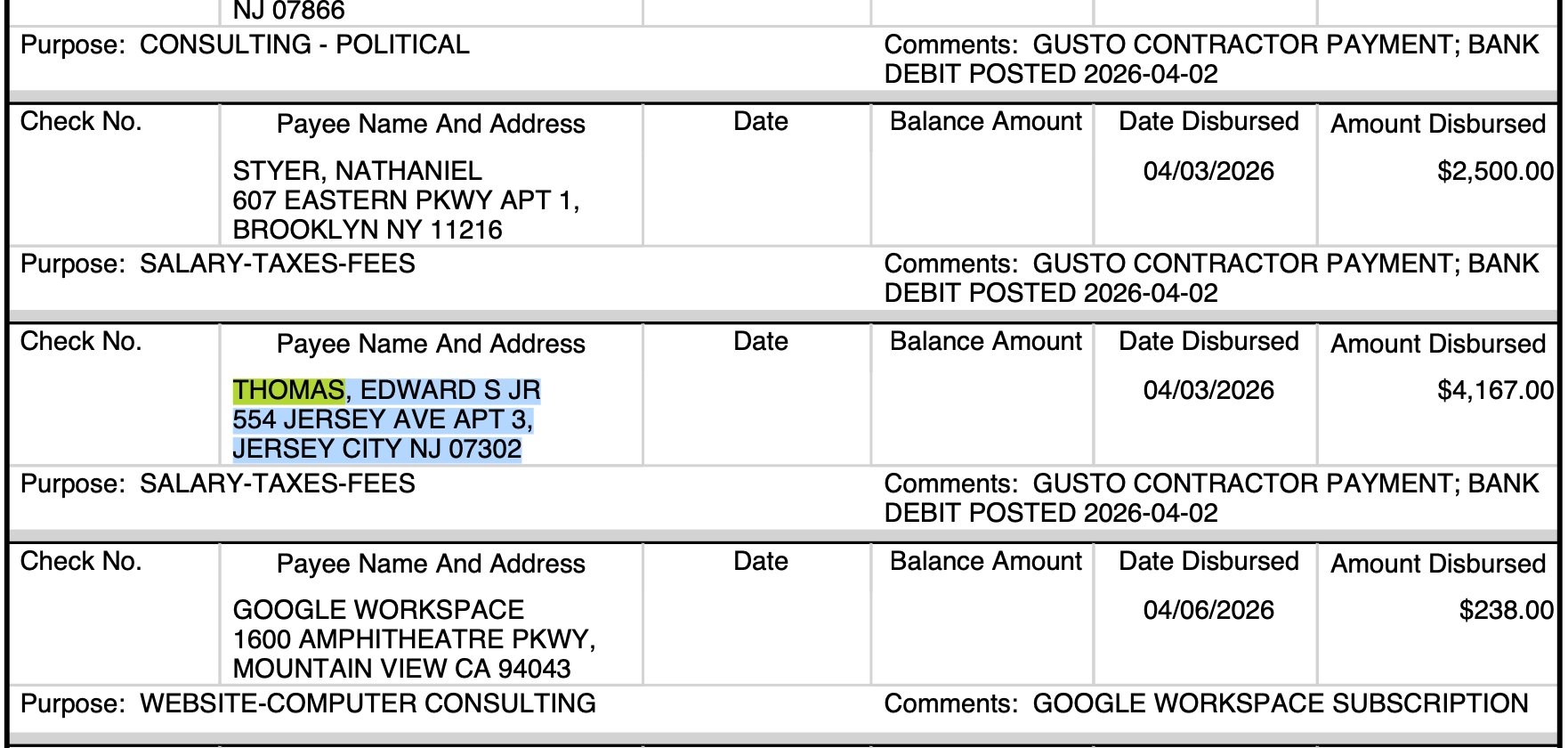
Slice of Culture reached out to the Solomon administration for a statement on the comments made by Thomas.
“We addressed the situation with Mr. Thomas following the disciplinary action and will not be commenting further,” said Laura Bustamante, the mayor’s chief of staff in an email.
“The previous administration left Jersey City in a genuinely damaging fiscal position- and that is something that has been extremely well documented. Mayor Solomon inherited that situation and has been working relentlessly since day one to dig the city out, going line by line through the budget to find efficiencies and doing everything in his power to keep the burden on taxpayers as light as possible.”
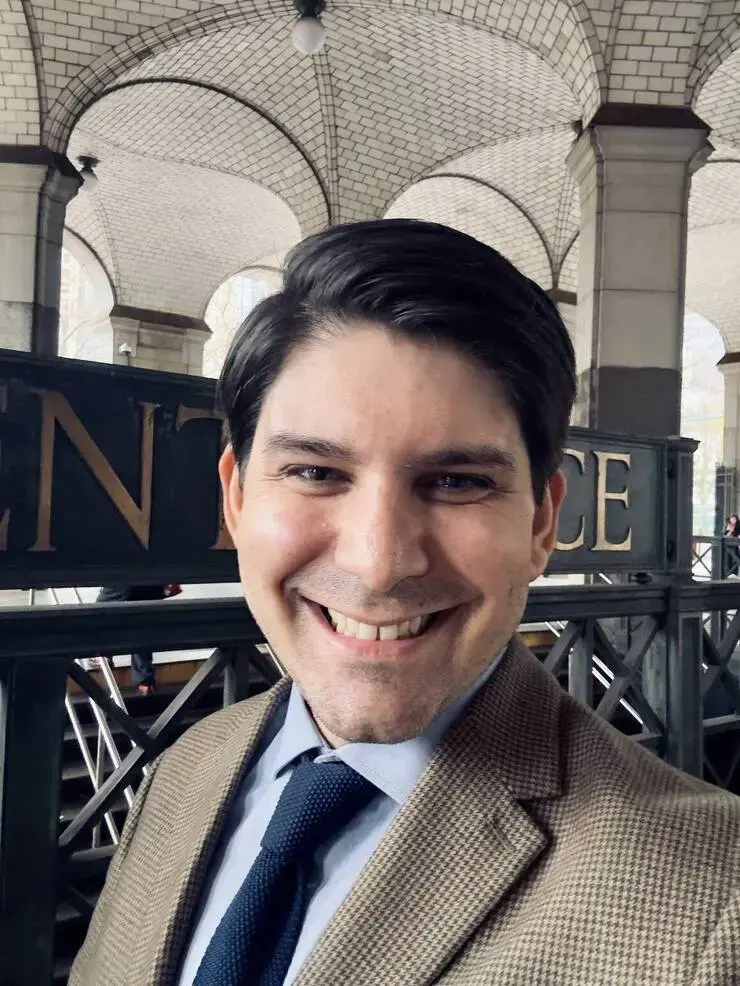
Slice of Culture also reached out to inquire about the recent resignation from Nathaniel Styer, the mayor’s communications director after serving eight months in his role. The administration deferred to comment on the matter.

‘Affordable To Who? … Apparently It’s Not Us’
But the main question Slice of Culture has been inquiring is the scope of legality as to how Jersey City landed in a $255 million financial crisis.
“There are very few criminal statutes affecting how governments run their finances, the big one is consciously approving over expenditures of budget line items,” said Marc Pfeiffer, an associate director at Rutgers’ Bloustein Local Government Research Center, in a phone call interview.
“At the end of the day, the governing body is responsible for the finance of the community.”
He also chairs the city’s budget advisory committee, and has said the increase will hammer lower-income residents who predate the recent wave of newcomers. Renters are the larger exposure—Jersey City is roughly two-thirds renter households, and the tax lands on landlords who pass it through at lease renewal.
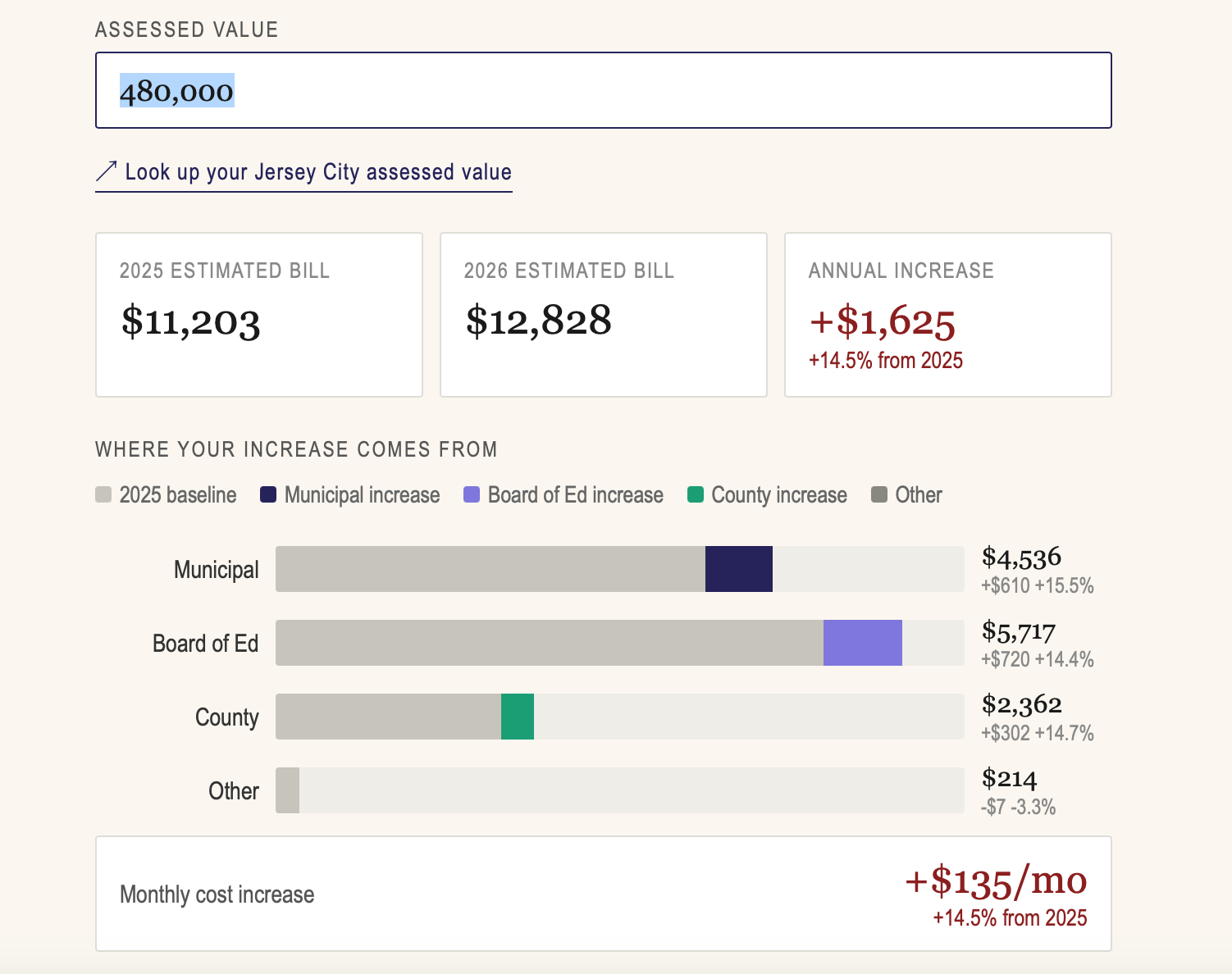
According to the Solomon administration, Jersey City homeowners could see their tax bills jump over $1,600 next year.
“A lot of these minorities that have come in from other countries have probably bought their houses maybe 10 to 20 years ago. So now let’s ask yourself, can they stay?… Because not only is your mortgage going up, your water bill is going up, the insurance is going up… The administration that’s in there now, they did say they [are] big on affordability, but affordable to who? ‘Cause apparently it’s not us…,” Mainor emphasized.
“So many families are going to be forced out because we just can’t do it… We should have been taken into account first before you move to move us out.”
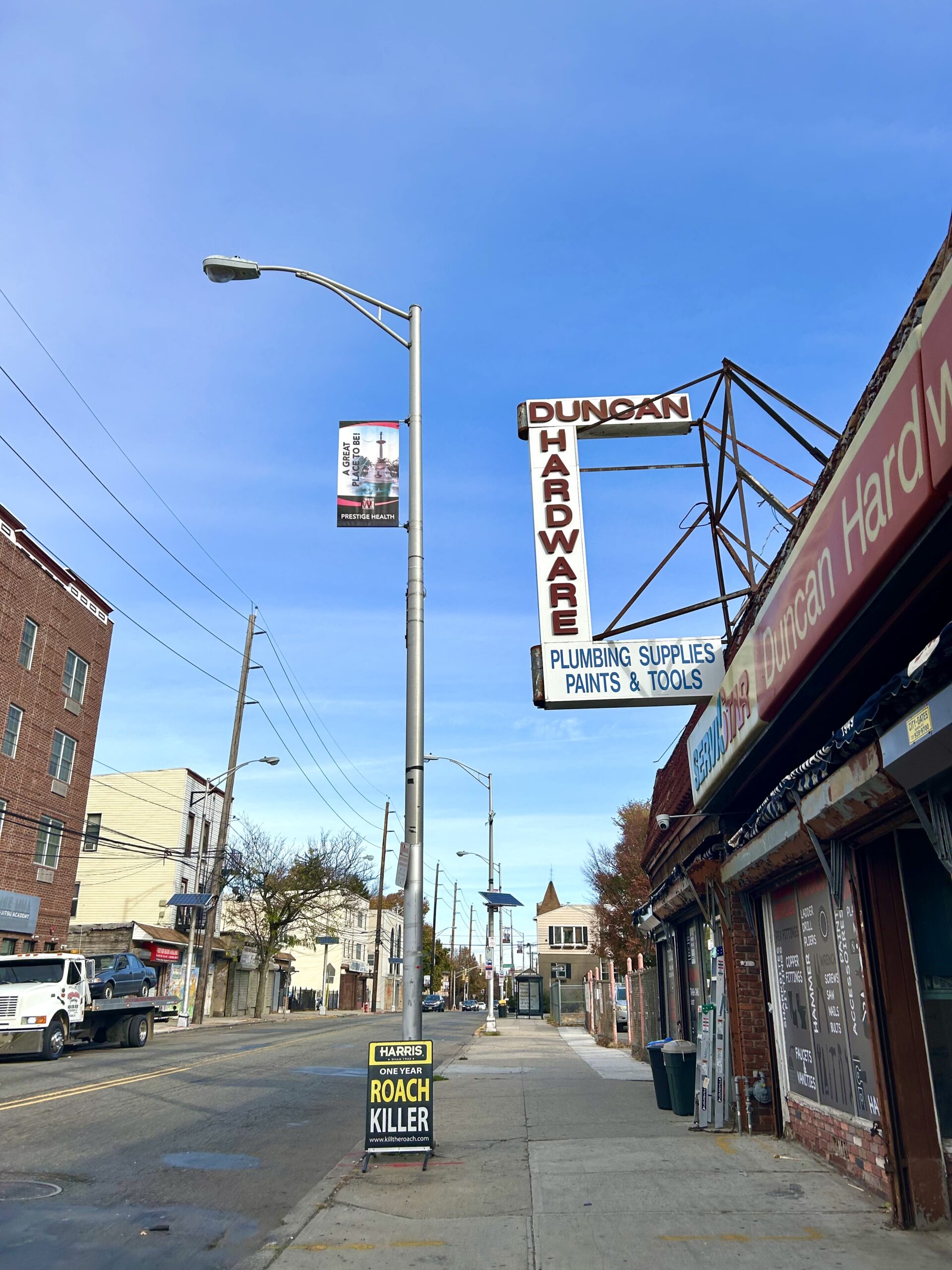
The typical home in the city—assessed at about $480,000 in 2025—owed an estimated $11,203 in property taxes, according to the city’s online tax calculator, a figure state data suggests is roughly average, as previously reported by Slice of Culture.
Under one of the proposals, if city property taxes increase to 15% and both county and school taxes 14%, that homeowner’s bill would climb to $12,825.
‘Don’t Act Out Of Fear’: What You Can Do
Though the city council’s decision puts a crushing toll on many residents, Van De Mark, Wintner and Mainor exuberated a bit of hope.
They encouraged Jersey City residents to look at all their options:
- Get advice from a trusted family member, CPA or attorney
- Ask a bank to help refinance their home
- File for state program applications for homeowner assistance or relief
- Don’t give into “predatory” realtors
- Ask Jersey City’s NAACP what programs they’re looking to put out
- Consider getting roommates or moving into a smaller apartment
For more information on resources on rental assistance, you can apply through Hudson County programs such as North Hudson Community Action Corporation or Hudson County’s Emergency Assistance Program.
“This is a people issue… as Dr. King once said, ‘We all came over here on a different ship, but we’re in the same boat right now.’ This is when Jersey City comes together and we find an answer for this… it’s going to affect the store owners, it’s going to affect the price of the food, it’s going to affect everything in your life, everything is going to change because of a decision that the council and the mayor has made.
– Charles Mainor, Jersey City NAACP President
It’s something that’s going to devastate this city. And if we don’t do something, if we don’t fight back, if we don’t come together, then we’re all gonna move out of here together. We pray, but we don’t give up. We move forward, okay?”