Photo by Jordan Coll / SOC Images.
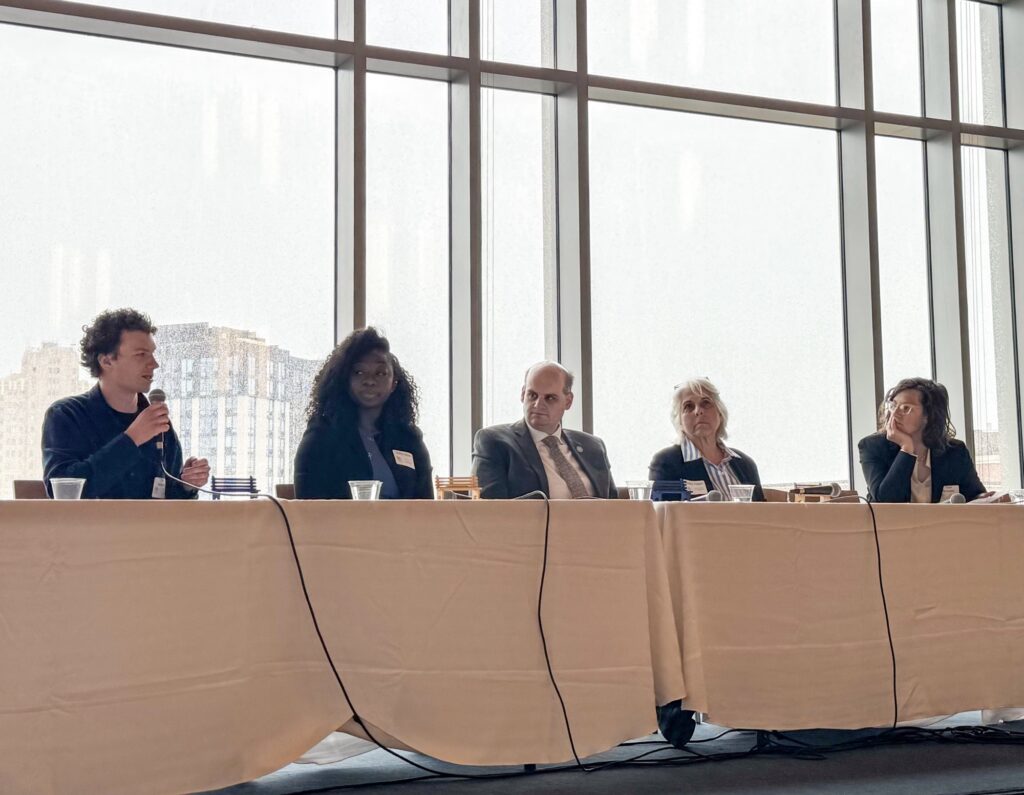
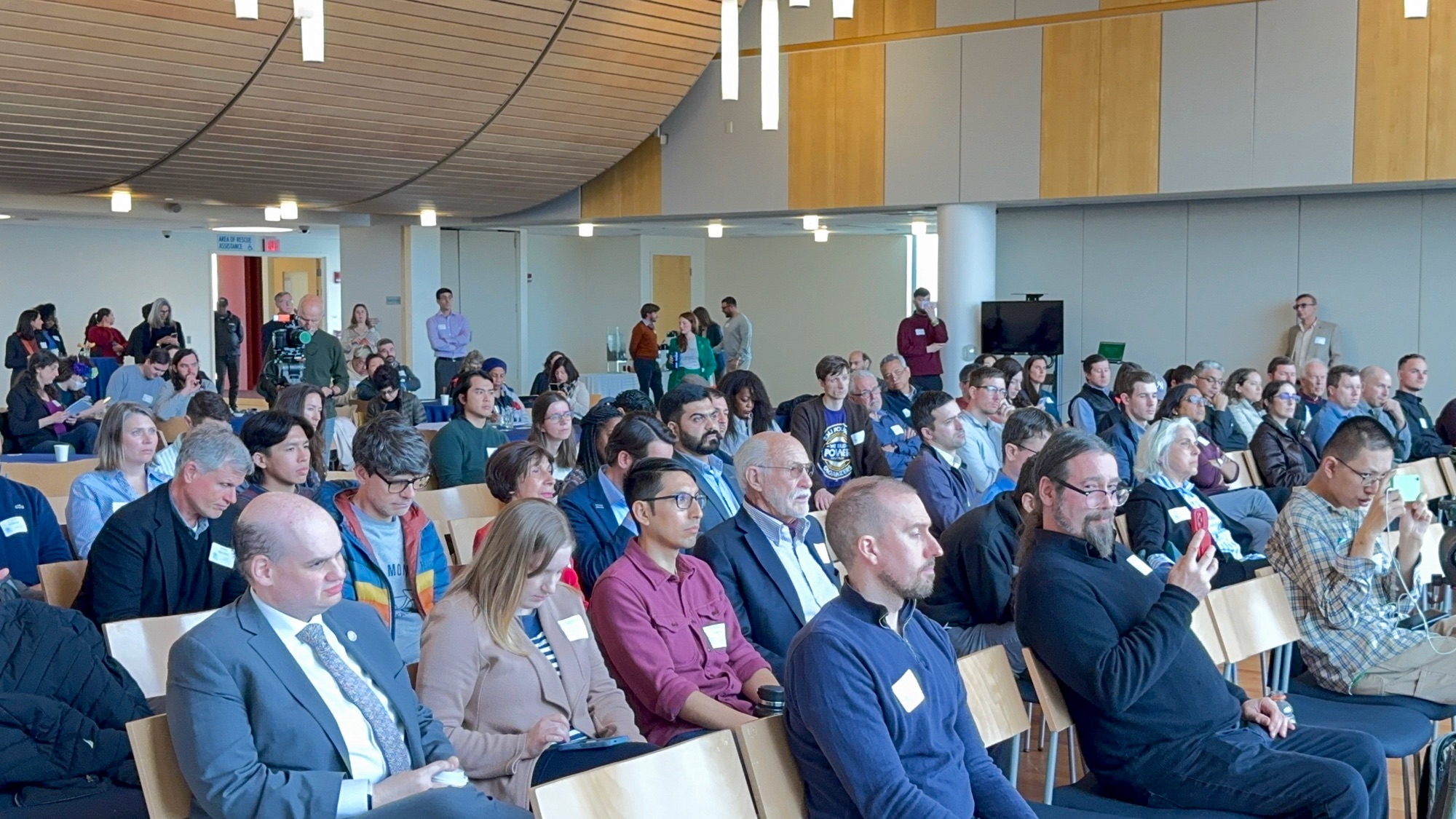
Last Saturday, a forum addressing the heart of public transit and the latest proposals for transit-friendly solutions in Hudson County was held at Saint Peter’s University, bringing to mind the idea of safer streets and better quality public transportation.
The event was stitched together by Hudson County Complete Streets, bringing in a line up of city officials, state officials, transit experts and a newly appointed commissioner of the New Jersey Department of Transportation (NJDOT), among many others.
Paving through the discussion, Assemblywoman Katie Brennan (D-32nd) noted that the New Jersey state budget has fallen short in addressing transportation infrastructure. “The New Jersey State budget which we are actively going through now has not always prioritized transportation.”
Among the discourse was a booming number: Jersey City’s population has surged 22% over the past decade, a boom that began with the city’s 2011 master plan, with an expected growth of 20 to 25% in the next decade, according to preliminary reports by the North Jersey Transportation Planning Authority (NJPTA).

The influx of Jersey City’s population increase blends into the fiscal costs of public transit, driving a 15% in fare costs for NJ Transit fare, according to the 2025 budget. The spectacle on New Jersey Transit has circumvented ridership, with figures scaling nearly $2 billion reduction in fare revenue.
State, County And Local Gage Transit Issues
The newly proposed $60.7 billion state budget would earmark $125 million for additional transportation fiscal operation costs.
“We are grateful for the wisdom, leadership and foresight for those who invested in transit that we see today,” said Jersey City Mayor James Solomon, adding that the identity of Jersey City and public transit are in tandem with each other in facing everyday societal needs.
“For us, transit is our life blood. It is our foundation. It is not a niche conversation,” he said, stating that 40% of work related trips are taken through public transport.
The mayor singled out Hudson County Executive Craig Guy and the Board of Commissioners praising their approval of a $150,000, allocated from the Capital Improvement Fund (CIF), under a state grant program where 5 grant programs and 211 projects were approved. The contract was awarded to Nelson/Nygaard to lead the Bus Rapid Transit (BRT) study for John F. Kennedy Boulevard in the cities of Bayonne and Jersey City, expected by early next year, to help review roadway and transit conditions among other things.
Fare evasion is getting a multipronged response, with alternative public services such as the PATH to take on some transit wins as well, when it comes to the finances of it all.
The PATH Authority has secured $3.5 million to design new fare gates, replacing turnstiles that have been in place for over 20 years.
Also taking effect next month: enhanced late-night service on Friday nights, with trains running every 20 minutes across all lines between 11:30 p.m. and 2 a.m. and Saturday, cutting the 40-minute wait in half.
Andrew Kaplan, the city’s infrastructure chief, acknowledged that crash data or information collected for motor vehicle related crashes, is part of the department’s agenda — but was candid about the constraints.
“We have our priorities,” he said, adding that the department is “bandwidth limited” and actively working to expand its contract capacity to meet growing demand.
Expanding Transit Options For The Community
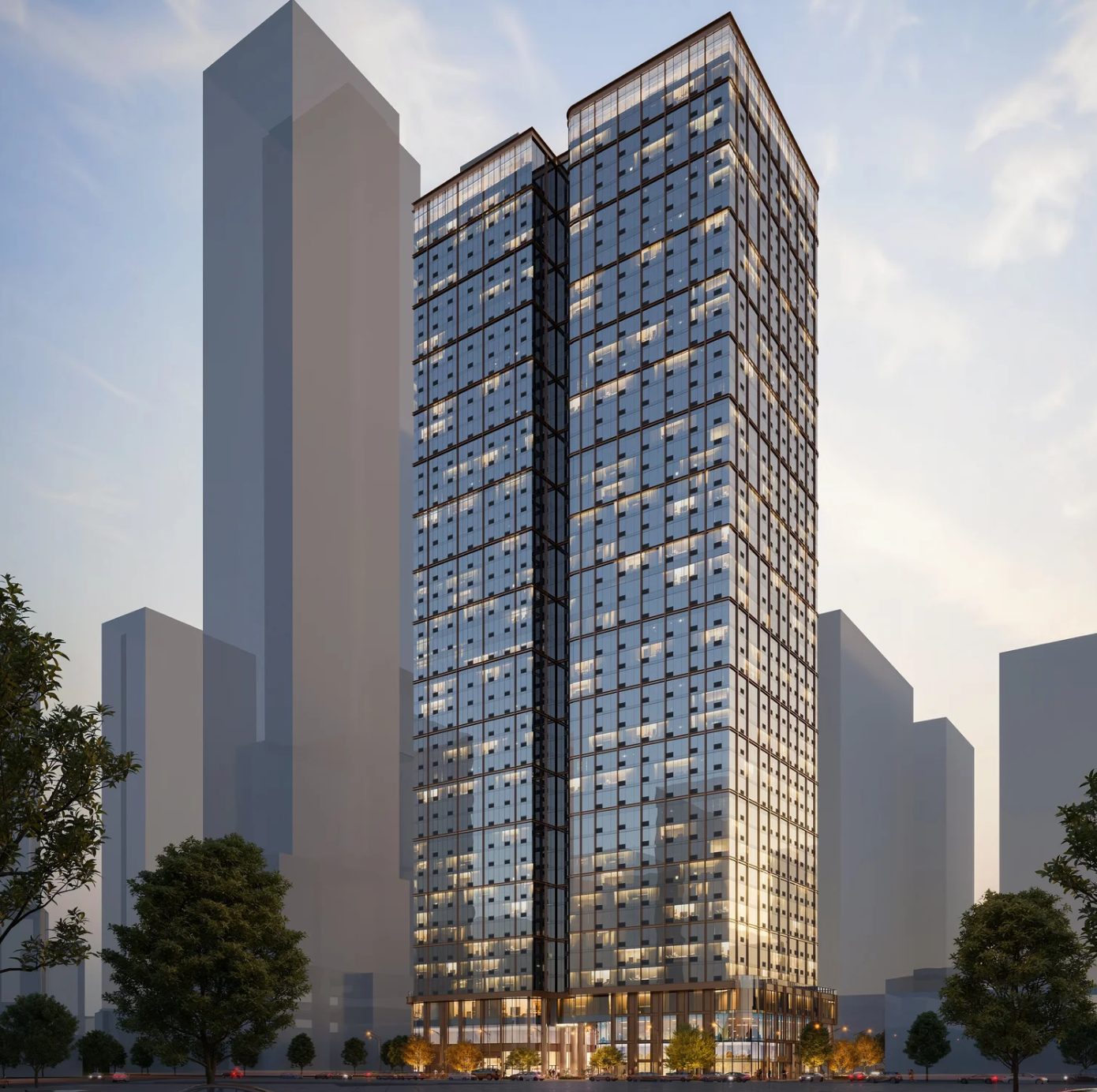
The mayor pressed on with NJ Transit on several long-over expansions. He called for extending the light rail to Route 440 to serve the future Bayfront development, a West Side project which is set to bring in 8,000 new housing units and urged a new stop near Jersey Avenue and 18th Street.
Jersey City is already a transit-oriented city by the figures, with 200,000 residents boarding the PATH daily and 60,000 more riding the Hudson-Bergen Light Rail. NJ Transit’s primary bus corridors through the city, include: the #199, #87 and #10, which serves an additional five million passengers each year.
“There is an old saying, ‘built it and it will come’,” said Commissioner Bill O’Dea, who made his stance clear at the NJ Transit Forum, and added that a light rail station at Bayfront is not optional but a critical facet to mobility and pedestrian safety and drivers alike in the area.
Among panelists and experts, there was a priority for the need of $500 million in state funds to secure federal dollars and property acquisitions for land value capture and private partnerships in funding transit. Over $1 billion would be allocated in direct state funds, bolstered by a new $765.6 million Corporate Transit Fee, $282.2 million from the general fund and $140 million from Clean Energy Funds, according to this year’s fiscal budget report.
Years of Public Advocacy Turn Into Policy Shifts
After years of advocacy, the Complete Streets organization scored a significant win for Hudson County commuters, successfully lobbying PATH and Port Authority officials for improved service and increased train frequency through its Better PATH campaign, announced last year.
“Every person who chooses to take transit instead of driving does their part to save lives and save the world,” said Emmanuelle Morgen, the executive director of Hudson County Complete Streets, who told Slice of Culture.
“We were excited to see elected representatives at every level of government commit to increasing transit service across New Jersey.”
The results are set to materialize this May, when direct weekend service between Hoboken and both the World Trade Center and 33rd Street stations returns for the first time in nearly a quarter century—a restoration long sought by riders who have taken on unreliable transit hours during the weekend since 2001.
The scaling back of the NJ Transit budget project under Gov. Mikie Sherill, coming with a price tag of $6.7 billion, would focus on demolition and rebuilding of four lanes, dismantling the original plan of eight lanes.
“People experience transportation in New Jersey as one journey, not as separate agencies or different jurisdictions,” said Priya Jain, the newly appointed commissioner of the New Jersey Transportation.
“It’s just one network that gets them from first mile to last mile. And our responsibility is to make that network work better, safely, reliably, and in a way that connects people to communities and to opportunity.”
Federal grants for transit projects have taken hits, speakers warned, forcing states and localities to look elsewhere for resources.
The Trump administration froze roughly $15 billion in federally committed funding for the Gateway Tunnel project, a critical piece of transit infrastructure in the entire Northeast Corridor.
Without a new tunnel, Amtrak and NJ Transit could eventually face cutting capacity by 75% at peak hours, imposing economic harm estimated at $100 million per day.
But on a much granular scale, when it comes to transportation a link exists with public servitude and the speed of your commute, while also taking into account health equity.
Eiko La Boria, who is the founder and CEO Flow Initiative, a national organization focused on menstrual equity who attended the summit and told Slice of Culture, how inclusion of menstrual products in transit planning is a “necessary and vital conversation” when it comes to providing what she coined as “dignity infrastructure.”
“Dignity infrastructure means 24/7 access to complete bathrooms—menstrual products included—at every transit hub in NJ.”
As Jersey City and Hudson County continue to grow, the future of getting transit oriented services around is needed more than ever. On the roadway front, momentum is building–with projects such as the Paterson Plank Road, running through Passaic, Bergen and Hudson County.
For more transit safety and advocacy, you can check out Hudson County Complete Streets.