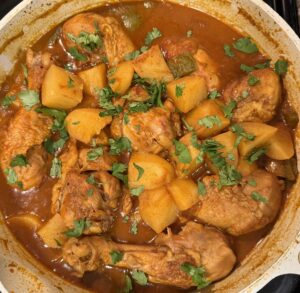
Pollo Guisado—A Caribbean Staple
The version of pollo guisado that we recognize today became more prominent around the 18th century.

The version of pollo guisado that we recognize today became more prominent around the 18th century.
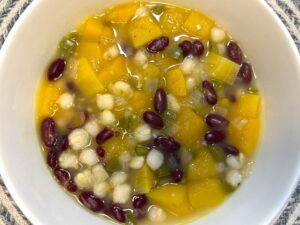
The vegetables remain a staple in Indigenous cuisine.
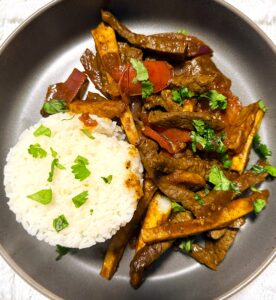
Chinese cooking meets Peruvian cuisine in this traditional fusion dish that’s been in Peru since the 19th century.

Originating in the 9th century, the Middle Eastern comes in many variations with countries like Turkey, Jordan, Lebanon, India, Palestine and others.
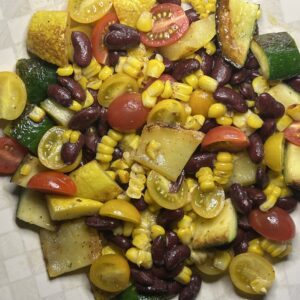
Three sisters, also known as squash, beans and corn, are staple crops that were grown throughout Native communities.
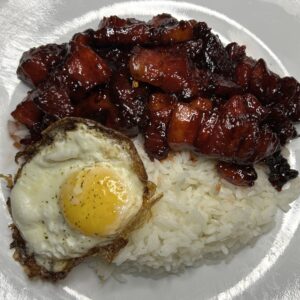
This sweet and savory plate is typically served as a breakfast and can be seen on the menu of most Filipino restaurants.
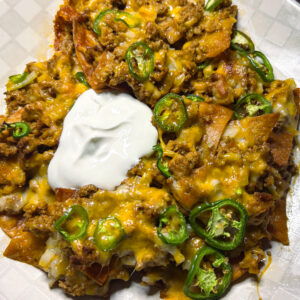
Many may think that nachos are an Americanized Mexican dish, but in reality… the Mexican classic dish is not!
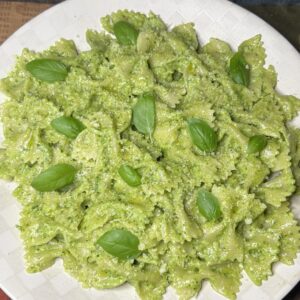
Have you ever been to an Italian restaurant and seen a plate of vibrant green pasta and thought to yourself, “what is that?” That creamy, flavorful sauce is known as pesto and has been around since the 16th century. The classic sauce is traditionally made by combining basil, garlic, pine

Nearly every Latino and Caribbean country has a meat-filled pastry bursting with flavor. Pastelitos are the Dominican Republic’s version of this pastry.
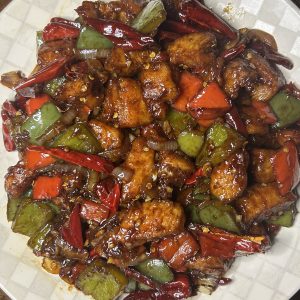
It’s Asian American and Pacific Islander Heritage Month and we’re cooking up a saucy, spicy and tangy dish originating in the Sichuan region known as Szechuan Chicken. The dish has multiple name variations and can be seen on a Chinese-American menu as Sichuan, Szechwan, Szechuan or Mala chicken. The chicken