Graphic by Adrienne J. Romero / SOC Images.
Mental Health — we all have it, and now we should all strive to be more open and vulnerable about it.
TheraPieces* is a Slice of Culture column by Mendez, who is a licensed psychotherapist specializing in clinical mental health and has a Master of Social Work degree from Columbia University.
There’s a lot of forms of media that present and speak on mental health knowledge like in books, music art and movies like the latest animated sensation, “KPop Demon Hunters.”
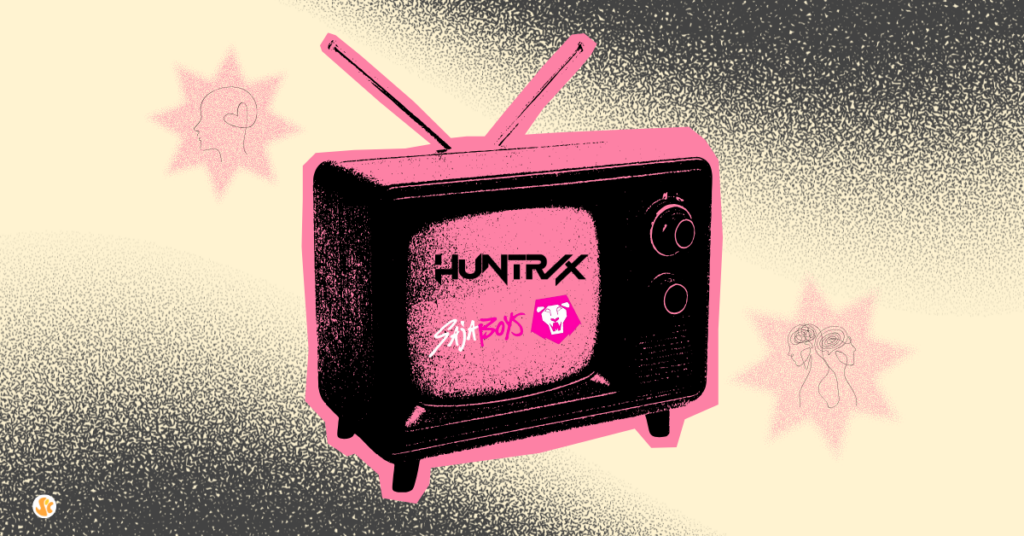
Netflix’s most popular film of all time, “KPop Demon Hunters,” is a fantasy-musical film about three girls and bandmates, Rumi, Zoey and Mira, of the group HUNTR/X, who are singers and hunters fighting demons with their songs. One particular member though, Rumi, harbors a secret she’s been hiding from her close group and the world: her demon patterns. Rumi, being both a hunter and a demon, was forced to repress this flaw and shove it under the rug, creating internalized grief and shame for who she is.

How ‘Kpop Demon Hunters’ Shows The Many Sides Of Mental Health
“KPop Demon Hunters” tells the story of a young girl born with a quality she was taught to conceal, questioning existential matters and experiencing, what seems like, an identity crisis.
The film not only covers important mental health themes such as shame, vulnerability, identifying one’s sense of self, acceptance and healing, but it is also all done through bright and sparkling animation coupled with catchy songs and music, making it a positive and uplifting experience for all.
In a clinical sense, shame and guilt, represented as demons in the film, can be a dark, heavy and complex emotion that we bear as we grow into finding ourselves and discovering who we are as individuals developing throughout the life span. These feelings of shame can bring extreme disorganization upon all of this, and make us feel we need to hide the part of ourselves that is “flawed,” “wronged” or “just doesn’t make sense” due to societal and cultural standards.
Rumi’s shame not only brings her down into an emotional spiral of concealment, rejection and suppression, but also her ability to authentically be herself and accept her inhibitions—patterns—for who she is.
In the film, Rumi’s singing is central to what she is going through, as she’s trying to manage her demon patterns, which the film references as one’s insecurities, traumas, fears, differences and flaws. In the song “Golden” we are first introduced to her dilemma as she sings the lyrics:
“Waited so long to break these walls down to wake up and feel like me…Put these patterns all in the past now and finally live like the girl they all see.”
In this scene, she is having a moment where she is feeling her most vulnerable, wanting to push her flaws in the past, portraying the shame she feels towards them and how her patterns make her feel inadequate and needing to hide them through the performance.
Thinking that putting all her problems, shame and trauma to the side and in the past, we notice that later this gets to her, as each time she tried to hide it more and more, the truth eventually came out, proving that acceptance of the truth and one’s past is the only way towards healing and authenticity.
Rumi didn’t need to continue basking in guilt and hiding in her shame, but rather, she needed to speak up and be truthful to herself by being vulnerable and getting the right support and care from her loved ones who continue to accept her for who she is, as her bandmates do.
Once her friends came to accept her, she eventually accepted herself, making her feel free.
“I’m done hidin’, now I’m, shinin’ like I’m born to be.”
“Golden” is the “longest running No. 1 hit by an animated act in Billboard Hot 100 history,” according to Variety.
It’s a song that not only speaks out on Rumi’s different qualities, but it also shows how unique Zoey and Mira are as well. Zoey is often being labeled as “too much/not enough or too energetic,” indicating the possibility of her being neurodivergent, and Mira being labeled as “the problem child” for someone who probably had big emotions and a strong personality growing up.
As the film comes to its conclusion, we are presented with the ending song “What It Sounds Like,” which is about Rumi coming to terms with herself by finally accepting her patterns and who she is. Once the truth came out to her friends and the world, she realized all she needed to do was be honest with herself and to her loved ones, despite how scary it can be to face one’s fears and trauma because it’s even scarier to go through something like that without the proper love and support.
“We broke into a million pieces, and we can’t go back // But now I’m seein’ all the beauty in the broken glass // The scars are part of me, darkness and harmony.”
Takeaways From The Film And Its Characters
Rumi’s song of self-acceptance and self-repair can be resonated to those individuals who face the fear of rejection by hiding their true selves, whether that involves:
- Having trauma
- Being queer
- Being neurodivergent
- Having a severe mental illness
Repression of one’s true identity creates a false sense of self and belief that being ourselves will destroy our lives or reputation.
Looking at this in a cultural lens, the Korean inspiration holds a deeper emotional meaning.
As in many Asian cultures, topics associated with mental health are highly stigmatized and looked down upon. Representation and utilization of mental health services amongst Asian American individuals still remains at a low, so a film based on Korean culture intertwined with mental health topics is an incredible win, continuing to bring more discussion and awareness of mental wellness in unlikely, but very much necessary, spaces.
As a therapist who watched this film countless times, there is a lot to learn from “KPop Demon Hunters” on how healing can be approached with our clients and loved ones, and that is buried deep into the strength of the relationship, the foundation of safety and making one feel seen as they really are.
If you want a specific topic related to mental health covered, Daniella Mendez may be reached at [email protected].


![Be loud. Be proud. Be unapologetic ✊🏽
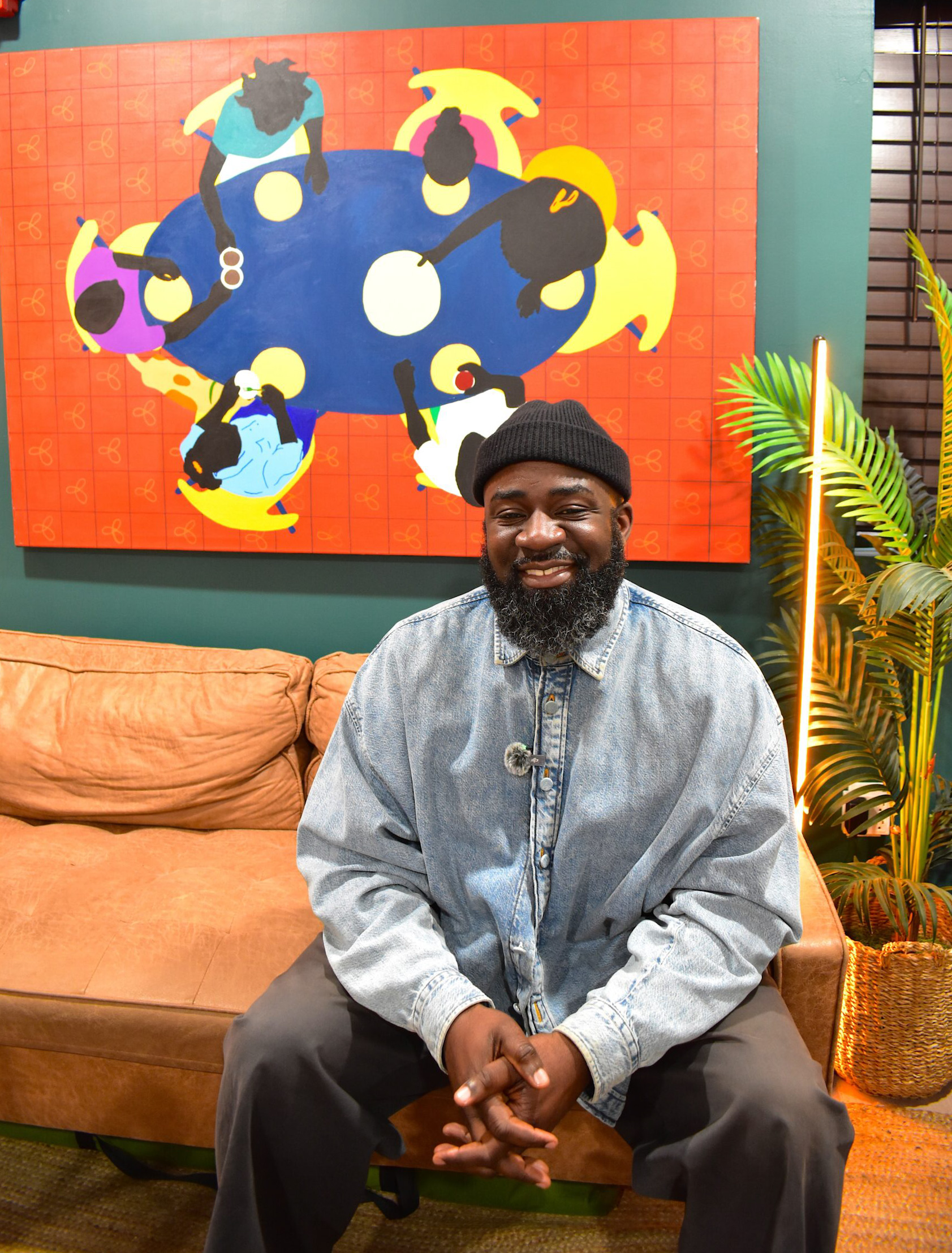
We talked with Brian Fraser (@brianwinstonfraser ) who recently had his work featured at @smushgallery’s “Just Black?” Exhibit.
Sitting in @kocafejc, Fraser told Slice of Culture about the importance of Black History Month, Jersey City and more. ❤️🔥
“The importance is to be loud, be proud [and] be unapologetic and to make sure that we celebrate how this nation was founded… The current administration is actively trying to suppress [and] erase that information.”
🔗Read the FULL story in the link in our bio!
____________
📹: @adrienne.jro
#hudsoncounty #hudsoncountynj #blackhistorymonth❤️🖤💚](https://www.sliceofculture.com/wp-content/plugins/instagram-feed/img/placeholder.png)