Photo by Adrienne J. Romero / SOC Images.
Fifteen-hours away from Hudson County, New Jersey and just two hours north from Manila, Philippines, lies the ancestral homes of the Aeta people—one of the country’s earliest known inhabitants—who are currently fighting to keep the only land they’ve known for generations, predating 1565, which was the start of Spain’s colonial rule.
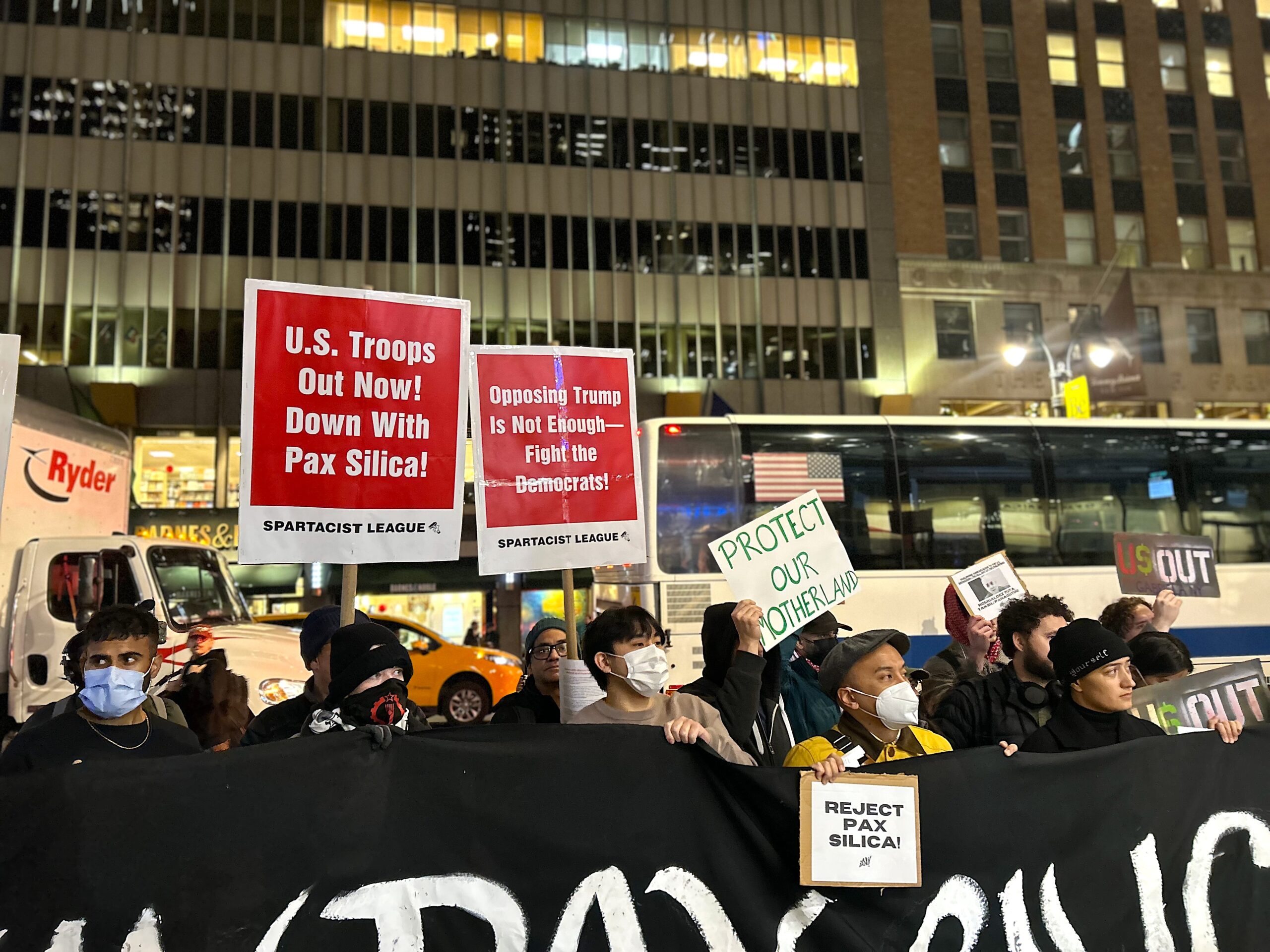
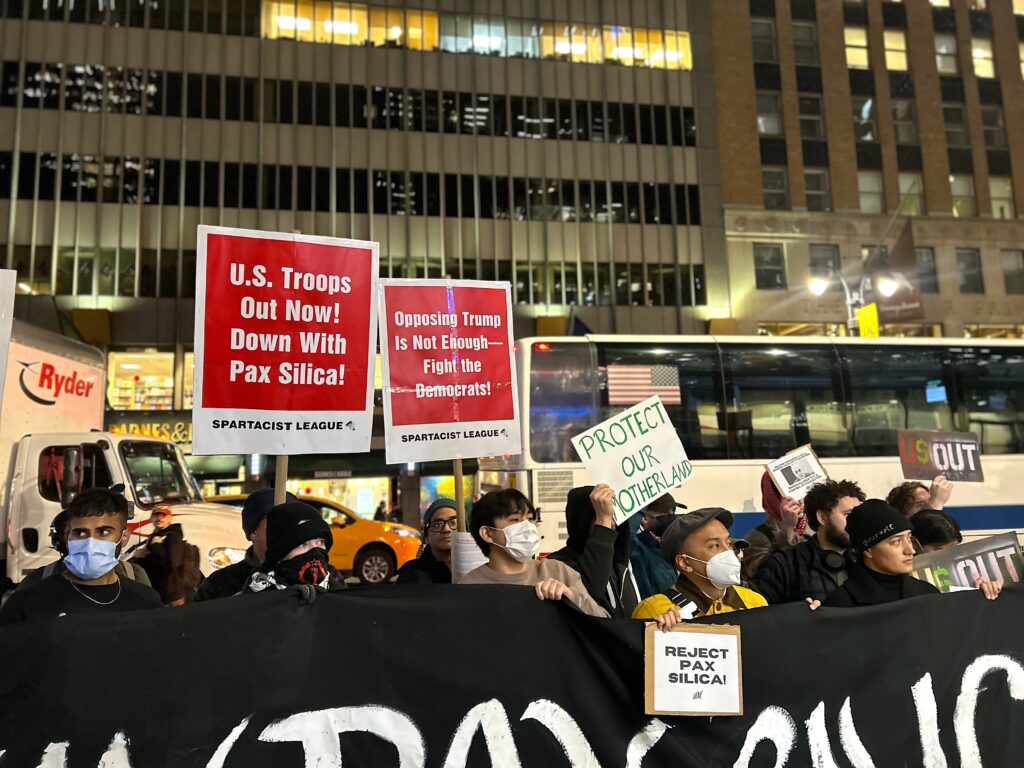
On Monday, Nov. 16, 2026, New Jersey organizations and residents echoed the Aetas’ pleas with roaring chants outside the Philippine Consulate in New York, joining the global protest to demand the rejection of Pax Silica, a U.S.-led international initiative that focuses on AI infrastructure, mineral and energy mining and manufacturing, that is to be built on the Aetas’ indigenous lands.

Slice of Culture spoke with Jazmine, a Jersey City resident who is originally from the Philippines; Soledad of Migrante New Jersey; and Lian Buan, a Southeast Asia researcher at Human Rights Watch. They all emphasized that despite international government promises of economic growth, job creations and prosperity, it is not in the interest of the Filipino people.
“Remembering that just being on foreign soil [the U.S.] does not mean you’re not Filipino, it does not mean that you’re not connected to the struggles in the Philippines. Actually, it amplifies that because a lot of the suffering that a lot of Filipinos experience back home is caused by this imperialism that is being expanded from the heart of here in New York City, in [Washington] DC—[all] in the United States.” – Jazmine told Slice of Culture, who requested to be identified only by first name for privacy and safety.
U.S. President Donald Trump was expected to ink an official Pax Silica agreement on Nov. 16, during his welcome by Philippines President Ferdinand “Bongbong” Marcos Jr. as part of the 2026 ASEAN Summit, but after days of protests in the Philippines and around the world, officials announced it was not part of the agenda.
Pax Silica is reportedly expected to be signed by the end of 2026. Jazmine, Soledad and Buan are urging people to educate themselves and others about the international initiative and, if they’re able, to get involved and mobilize with local organizations like Migrante New Jersey, Anakbayan New Jersey and the International League of People’s Struggle, to name a few.
What Is Pax Silica? What Government Promises Vs. Communities Argue
A Pax Silica declaration was announced on Dec. 11, 2025 and backed by the U.S., the U.K., Japan, South Korea, Singapore, Australia and Israel, who are referred to as the “7 Founding Nations.” The preamble states the initiative is to “Strengthen supply chain security, address coercive dependencies and single-points of failure and advance the adoption of trusted technology ecosystems.” Critics argue it is the U.S. and its allies’ attempt to exclude China from supply chains.
Philippines formally joined the Pax Silica initiative on April 16, 2026.
“Pax” derives from Latin, which means peace, stability and long-term prosperity while “Silica” refers to silicon, which is found in computer chips that enable artificial intelligence (AI), according to U.S. Mission to ASEAN.
Going back to outside of the Philippine Consulate at 556 5th Avenue in New York, activists from New Jersey, Philadelphia and New York outlined the rushed, crowded sidewalk and publicly argued why the name of the initiative is a contradiction and a “lie.”
“[In the United States] there are different campaigns to stop data centers from being created in the neighborhood because of its impact in the environment of the neighborhood and the community. It’s the same in the Philippines,” Soledad said, who requested to be identified only by first name.
Soledad saw and heard the farmers’ struggles firsthand. She recently returned from NAFCON’s Bayanihan Disaster Relief Response trip with GABRIELA New York and Migrante USA, which provides support to those impacted by environmental distasters in the Philippines.
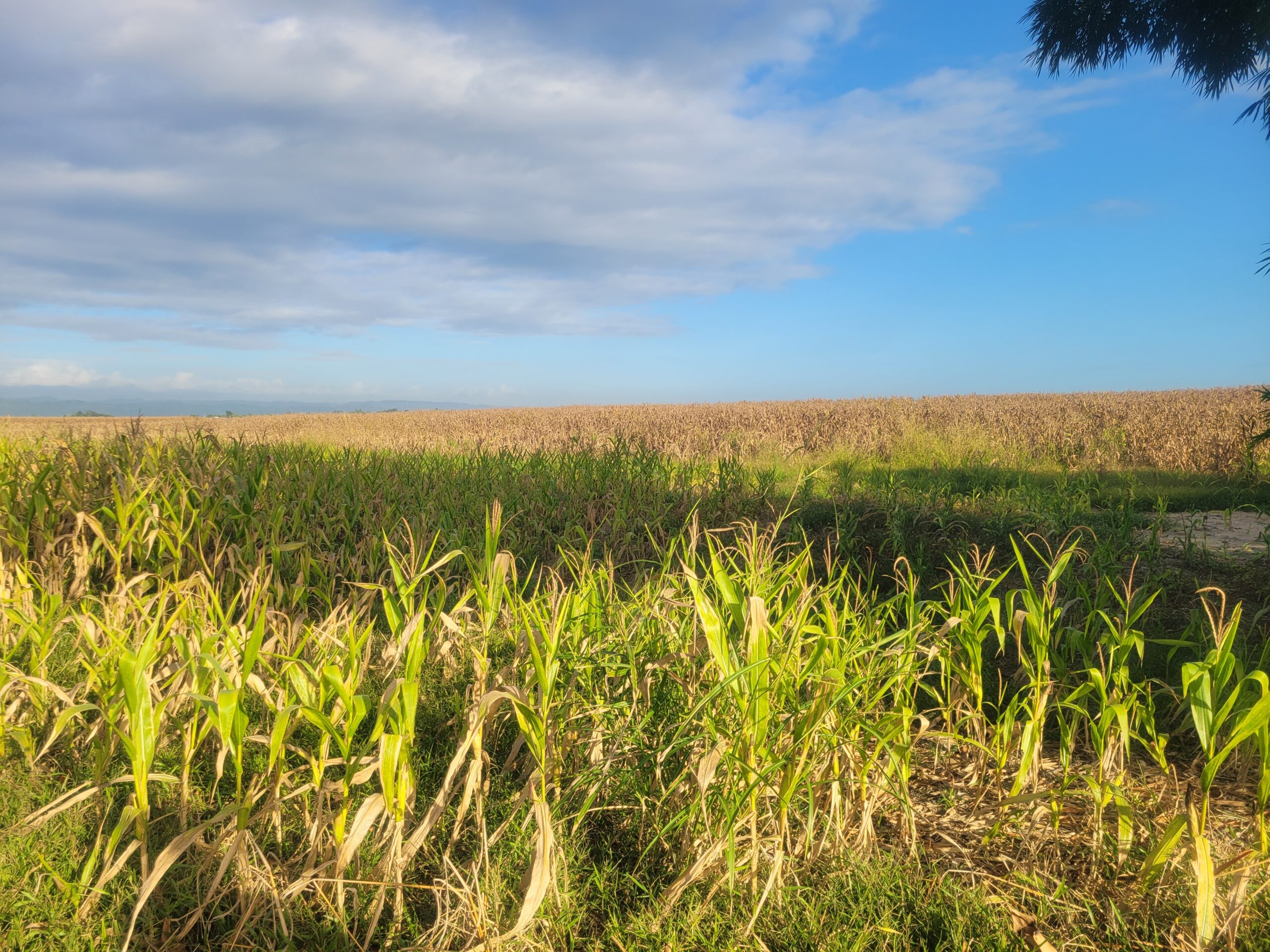
“… Can you imagine that already water is such a big resource for Pax Silica, and drought is a main issue and problem that farmers are facing today [in the Philippines],” she added.
“As we speak, many farmers are cutting their days in half because it’s way too hot to work, but also they don’t even have enough to harvest. So with the threat of Pax Silica, this will only just increase the terrible conditions that farmers are experiencing and enduring, and the very same people that are supposed to feed our country are starving themselves.”
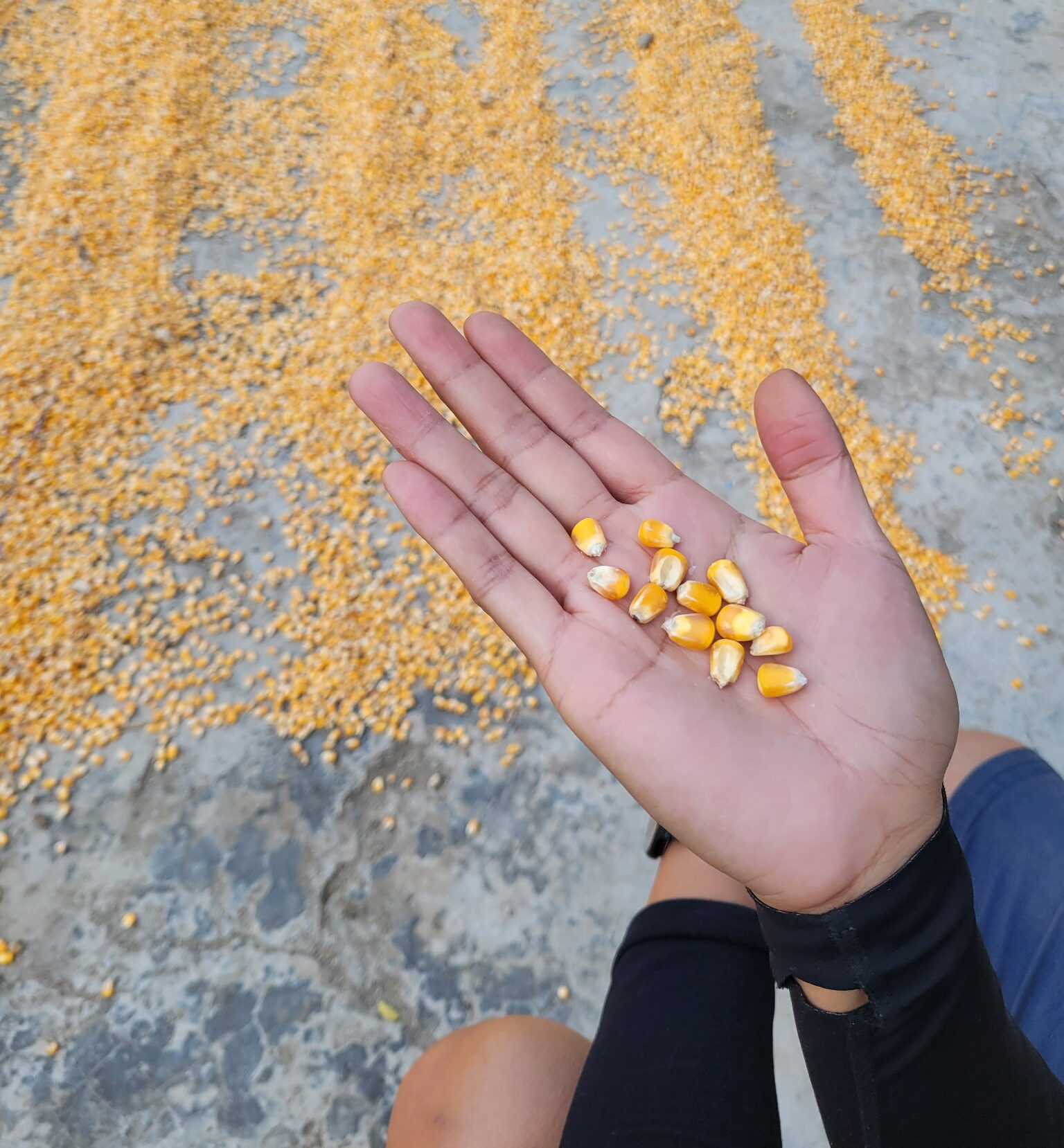
The Aetas’ Feelings
And 17 hours across the water, in the Philippines where Buan was born and raised, she confirmed to Slice of Culture that the Aetas are angry, but mostly, they’re anxious.
Buan, who is originally from Tarlac and now lives in Manila, outlined the days-long protests, which eventually led to over 230 arrests on Sunday, Nov. 15 ahead of Trump’s arrival. She was at the rallies on Monday, Nov. 16 and Tuesday, Nov. 17, which were “peaceful” and “vibrant,” but was just enough to get their message across: they oppose Pax Silica.
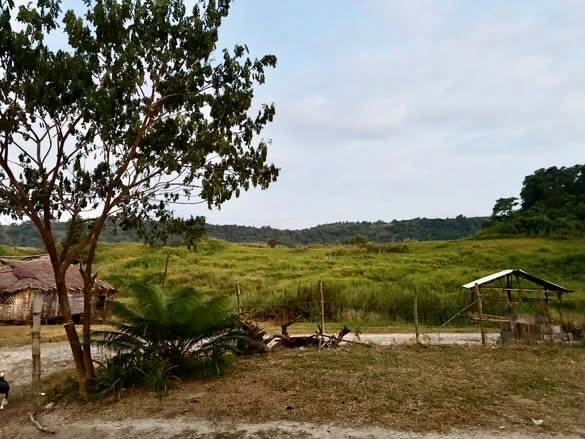
In October, Buan—as part of her work with Human Rights Watch—visited two of the affected sites: Sapang Kawayan in Barangay Aranguren and Sitio Binyayan in Barangay O’Donnell. With her descriptions, she illustrated a community that takes pride in their farming, harvesting and way of life in their fruitful homeland.

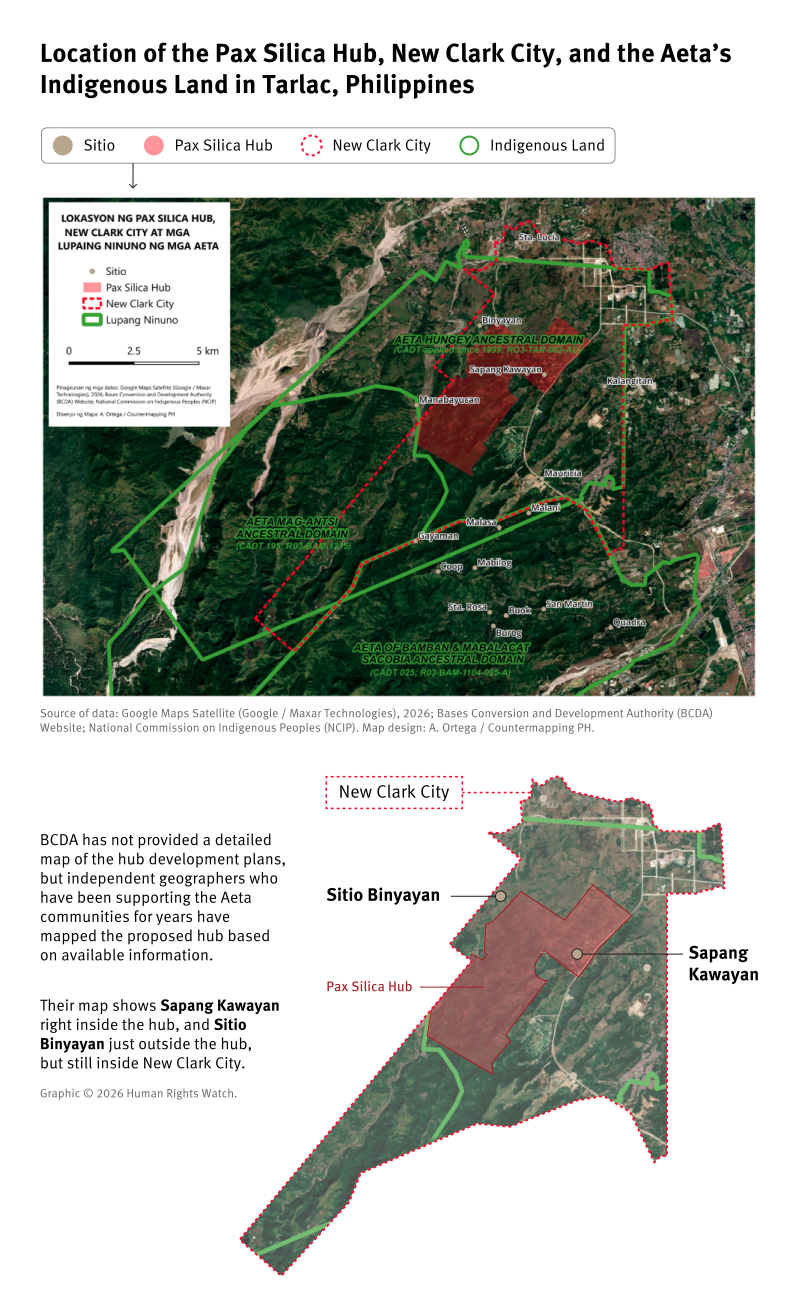
The land location of Pax Silica has been referred to as “New Clark City,” which is being built on the former Clark Air Base that was occupied by the U.S. military. Historical text provided by the Philippine Social Science Council analyzes the history and impact of the U.S. military on the Aetas—historically called “Balugas” and “Negritos”—while arguing, “this possesses a very ironic situation; while ordinary Filipinos have reconciled themselves with these bases, there is a continuing displacement perpetrated by the bases on these ethnic Filipinos.”
Buan told Slice of Culture that the eldest Aeta members have memories of living with the Americans and that they’re now hurt by this U.S.-led initiative.
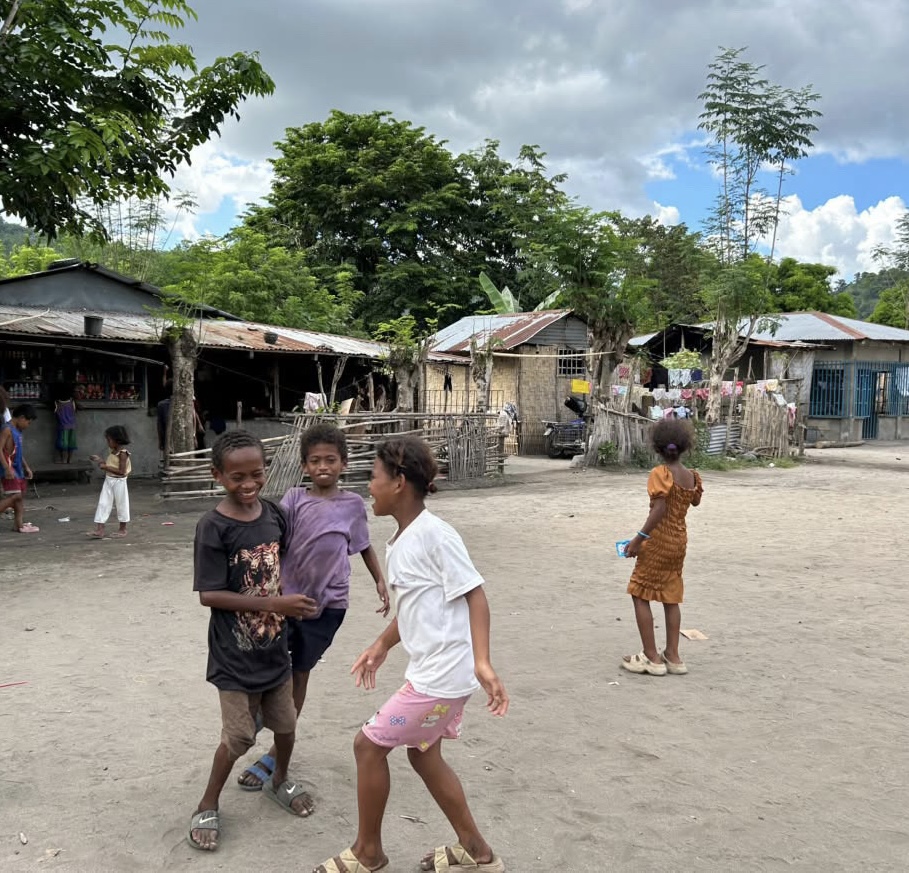
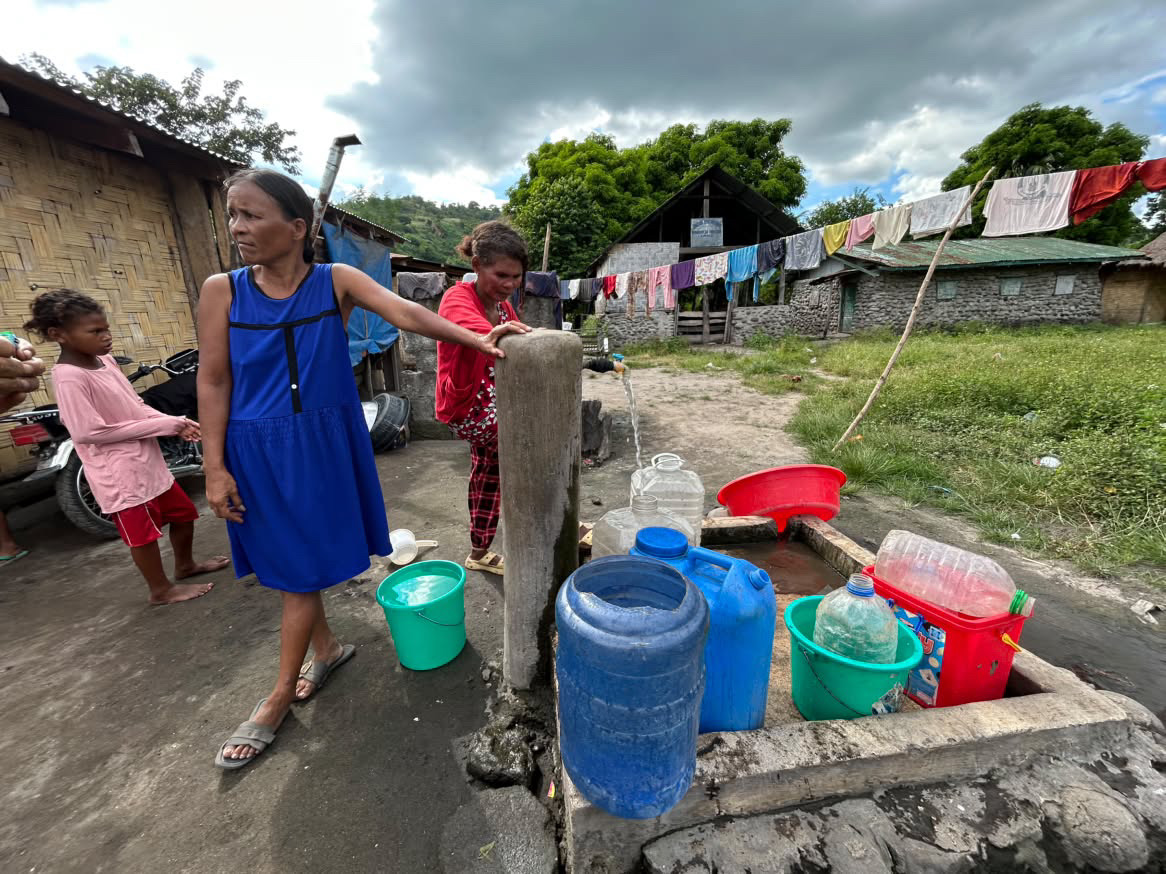
As Southeast Asia researcher, she emphasized that Pax Silica violates many Philippines’ national law including:
- the 1997 Indigenous People’s Rights Act
- the United Nations Declaration on the Rights of Indigenous Peoples
- the 1988 Comprehensive Agrarian Reform Law
- The Public Land Act
Supporters of the project argue that the initiative is not an “official” agreement, but Buan has seen letters addressed to farmers that their farmland will be affected and that compensation is being offered to sell it. Additionally, supporters argue that they will provide jobs, but farmers told Buan, “Well, what job can I get? I don’t have a degree.”
“… They’re up against the government and they were telling me that ‘I really don’t wanna give up that land, but it’s sounding like I have no choice,’” Buan added.
“One of the farmers was telling me, because I said, ‘What’s your plan?’ and he said, ‘As long as there’s still some space left to fight, we will fight.’”
It’s Not Just A Philippines Problem: We Are All ‘Interlinked’
Back in New York, where there’s a 12-hour time difference to the Philippines, Jazmine and dozens of other activists paralleled the Aetas’ pushback on Pax Silica with chants of “Trump Out!” “reject, reject, reject Pax Silica!” and “from Puerto Rico to the Philippines, stop the U.S. war machine!” The three-hour rally—which ended with a march to Times Square and a program of speeches—also incorporated Filipino songs, drumming and dancing.
In the organizers’ speeches, they continuously emphasized that amongst the reasons to reject Pax Silica, it’s the fact that it’s an environmental “desecration” and the act of displacing thousands from their homes of many decades. These stand similarly to ongoing civic fights in Hudson County, especially Jersey City’s recently approved 15.15% property tax increase, which has caused fear and anger, and is also expected to displace many longtime residents, lying on the backdrop of the lack of affordable housing, development and a city they once knew.
The Aetas share a similar sentiment, as many have told Buan, “The chieftain was telling me, ‘We don’t dream of a cement house [in] a village or a white picket fence house… Our way of life is here with our simple houses right next to the stream where we can source water, right next to our burial ground, and where children can lay, and we have buffaloes and carabaos.”
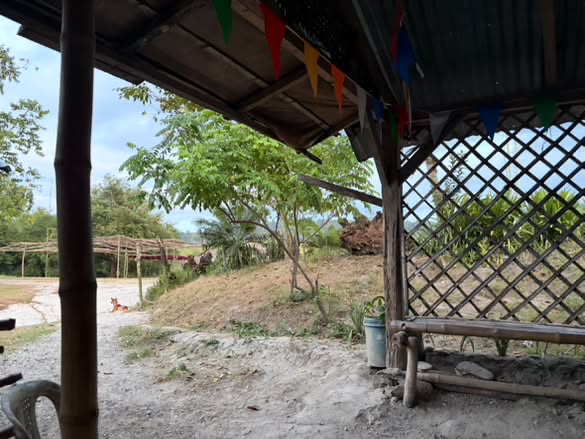
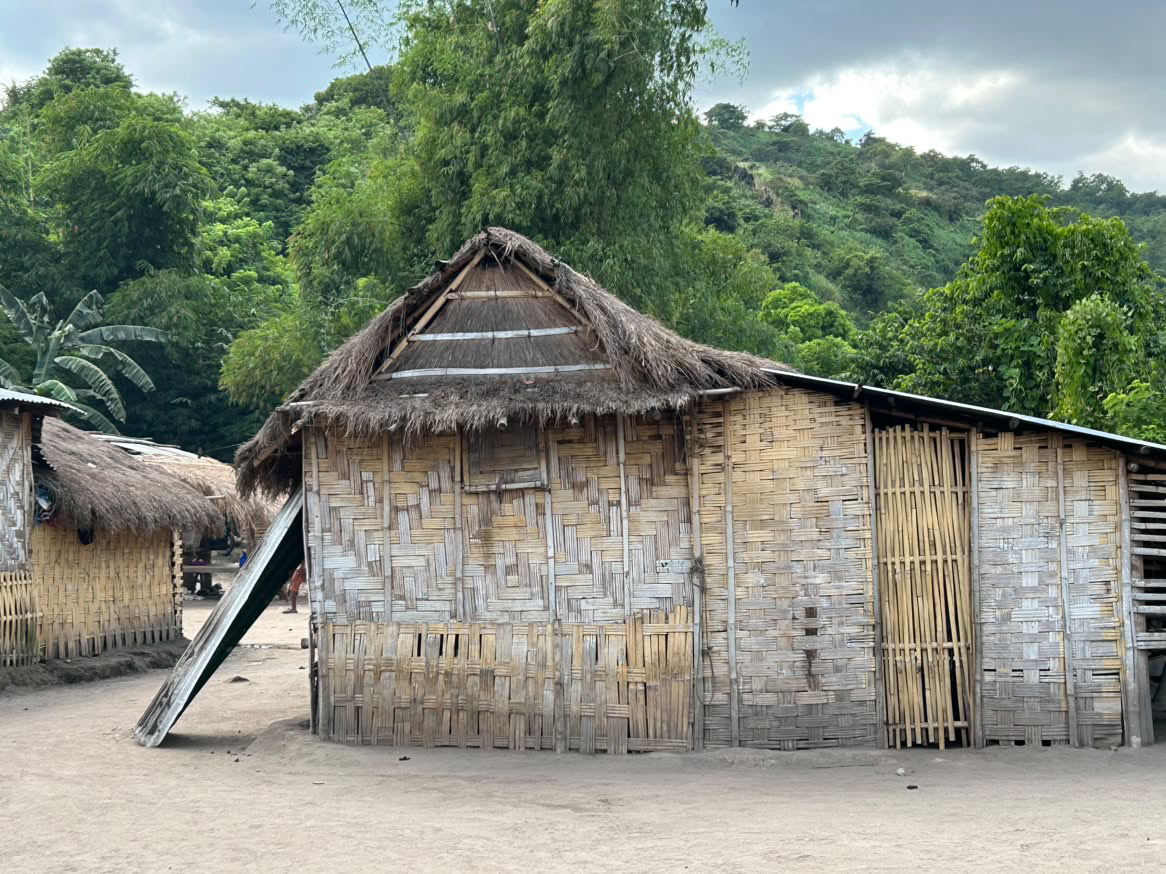
And that is all “a well-enshrined international law” right that they have, according to Buan.
“Whether we like it or not, or whether we remember or not, we are interlinked with people in the homeland… And so ignoring that doesn’t make that not the case,” Jazmine said.
“I think that remembering your history also empowers generations of the future to be able to build a future that they actually want to live in and are looking forward to being a part of… our struggles are all interlinked and, and that inevitably our liberation is also very interlinked, I think that ignorance is a choice, just as taking action is a choice.”
To see a full timeline of the Pax Silica project, you can click here. To read the U.S. description of the initiative, you can see it here.
For other organizations who are mobilizing against Pax Silica, you can check them out here: