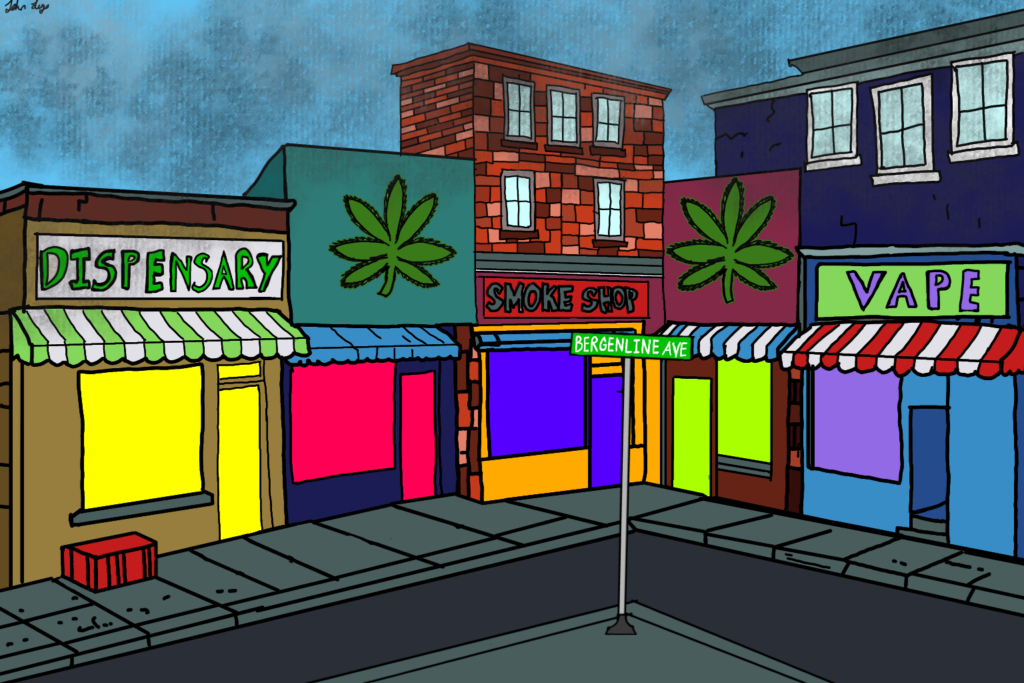
Graphic by John Lugo / SOC Images.
As you head down Bergenline Avenue, you may have noticed a number of local businesses that have closed or left the area. In their place, storefronts many locals once recognized are now increasingly being filled by smoke shops and dispensaries.
The rise of these smoke shops and cannabis-related storefronts along Bergenline Avenue reflects how Hudson County neighborhoods are evolving. While many locals may see their once-favorite store no longer exists, it may be confusing to see these new stores sell products that not many understand what it is. Based on recent data, cannabis consumption in New Jersey has grown significantly with over 20% of adults reporting cannabis use within the past year, according to NJ.Gov.
While licensed dispensaries are regulated by the state, many smoke shops sell hemp-derived products that fall into gray areas, raising concerns about safety, enforcement and how these businesses compete with the legal cannabis market.

What Is The Difference Between Smoke Shops And Dispensaries?
While many locals see similar products in these shops, the products themselves may be totally different depending on whether or not the stores are regulated by the state or town under New Jersey’s “Home Rule” law that grants municipalities significant power to govern themselves on local matters.
Under New Jersey’s recreational marijuana law, which was passed in 2021, municipalities must implement rules regarding cannabis businesses and smoke shops. Some towns, like North Bergen, have proposed ordinances that allow most marijuana businesses except delivery services and lounges. Meanwhile, Jersey City has passed zoning laws permitting all types of cannabis businesses, with no limits on the number of shops.
According to Eastern Green Dispensary, “unlicensed cannabis dispensaries are unregulated outlets, often referred to as smoke shops, selling cannabis-related products without state approval. They may offer items made with hemp extracts synthetically converted into THCA, skirting traditional cannabis laws by taking advantage of legal loopholes in Farm Bill terminology.”
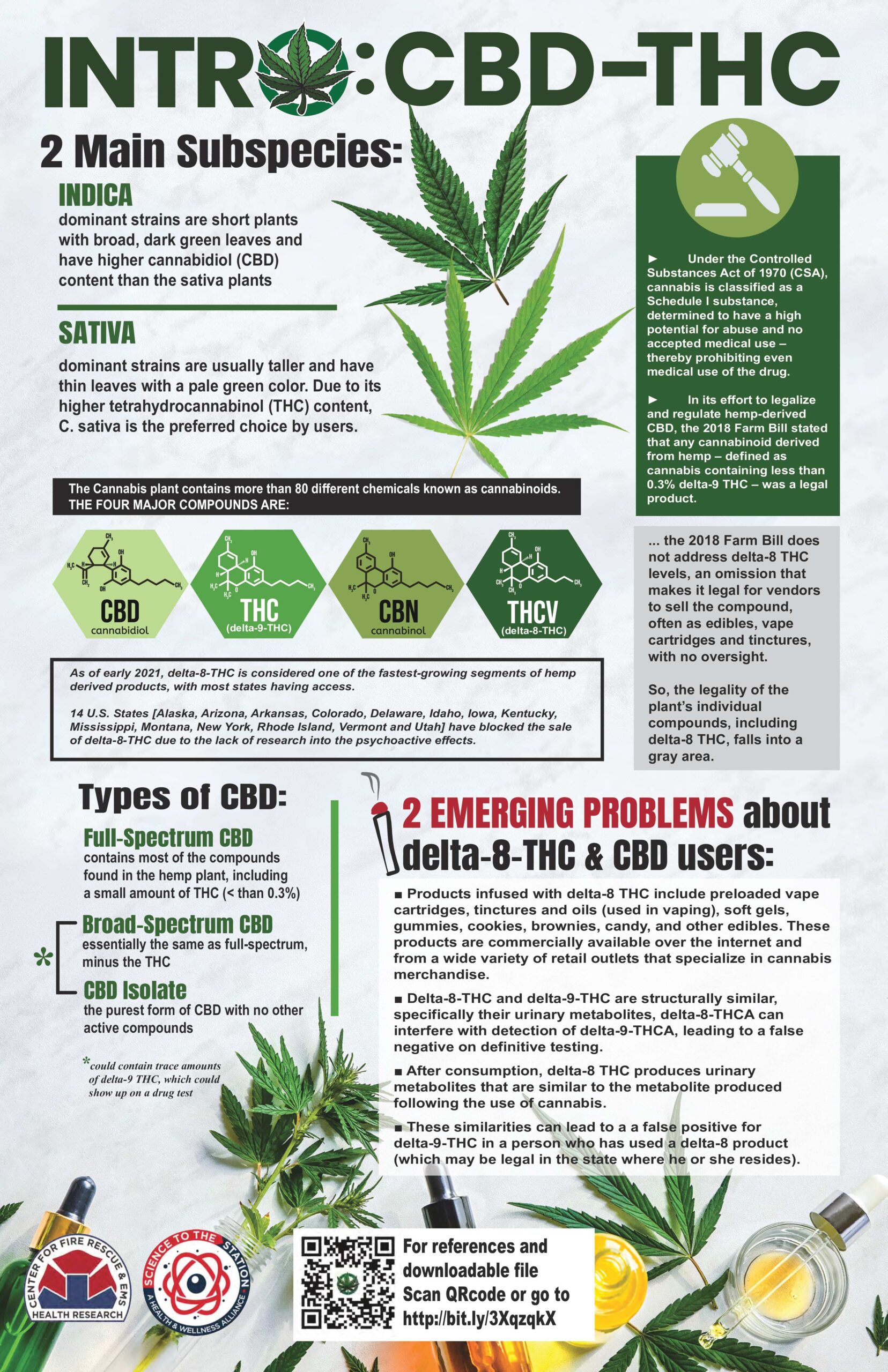
This means products such as Delta-8, Delta-10, THC-O acetate and HHC are marketed through the hemp industry, allowing smoke shops to “legally” sell them. Known as hemp-synthesized intoxicants (HSIs), these compounds are derived from hemp and became more widely available after the 2018 Farm Bill. They are commonly sold in forms such as gummies, vapes and infused drinks.
The Farm Bill was enacted into law in December 2018 to implement programs with the U.S. Department of Agriculture and one of the major loopholes that arose was that the Farm Bill defined “hemp” as any cannabis plant. The word “hemp” was out of the definition of “marijiuana” under the federal Controlled Substance Act, according to Troutman Pepper Locke.
With the 2018 Farm Bill, “this legislation removed hemp from the CSA, legalizing its cultivation and sale across the U.S, provided it met the 0.3% delta-9 THC threshold. The bill’s definition of hemp was broad, encompassing all derivatives, extracts, cannabinoids and isomers, under the presumption that these substances were non-intoxicating.”
As a result, product safety, potency and origin transparency are not always guaranteed. This has given many businesses the freedom to open various shops across Hudson County.
While licensed dispensaries are the way to go, many unlicensed shops undermine the system, often securing them from out-of-state and even international sources. This can lead to the possibility of having contaminates such as harmful substances and questionable ingredients, as mentioned by Eastern Green Dispensary.
One example mentioned by NJ1015.com, “Officials and cannabis experts say access to these products spreads well beyond vape and smoke shops, and manufacturers may either be misleading about how much delta-8 is in their products, or truly don’t know the amount.”
According to the New Jersey Cannabis Regulatory Commission’s (NJ -CRC) Q2 2025 report, recreational cannabis sales reached $268.6 million, while medicinal cannabis sales totaled $15.7 million statewide. Recreational sales made up over 94% of total cannabis revenue for the quarter, showing that the legal market is now dominated by adult-use sales.
With no licensing requirements for Delta-8 sales, gas stations, convenience stores and smoke shops have moved into the space to fill gaps in the cannabis market. In doing so, local retailers are able to maximize profits while avoiding taxes and fees that licensed dispensaries are required to pay.
With the NJ-CRC only regulating licensed cannabis businesses and not controlling unlicensed cannabis, CBD or any kind of smoke shops, towns such as East Brunswick, Bayonne and Union City all have smoke shops but no dispensaries, according to HeadyNJ.
According to NJ.com, “Cannabis rules differ from town to town on more trivial matters, too. In North Bergen, the proposed cannabis ordinance bars weed businesses from operating ‘without opaque barriers to shield operations.’”
While most products sold in smoke shops are legal under current federal and state law, their accessibility raises questions about exposure to children. In some cases, children have reportedly been able to purchase hemp-derived cannabis products in candy form from local convenience stores, as mentioned by New Jersey 101.5.
Behind The Screens Of A Smoke Shop Owner
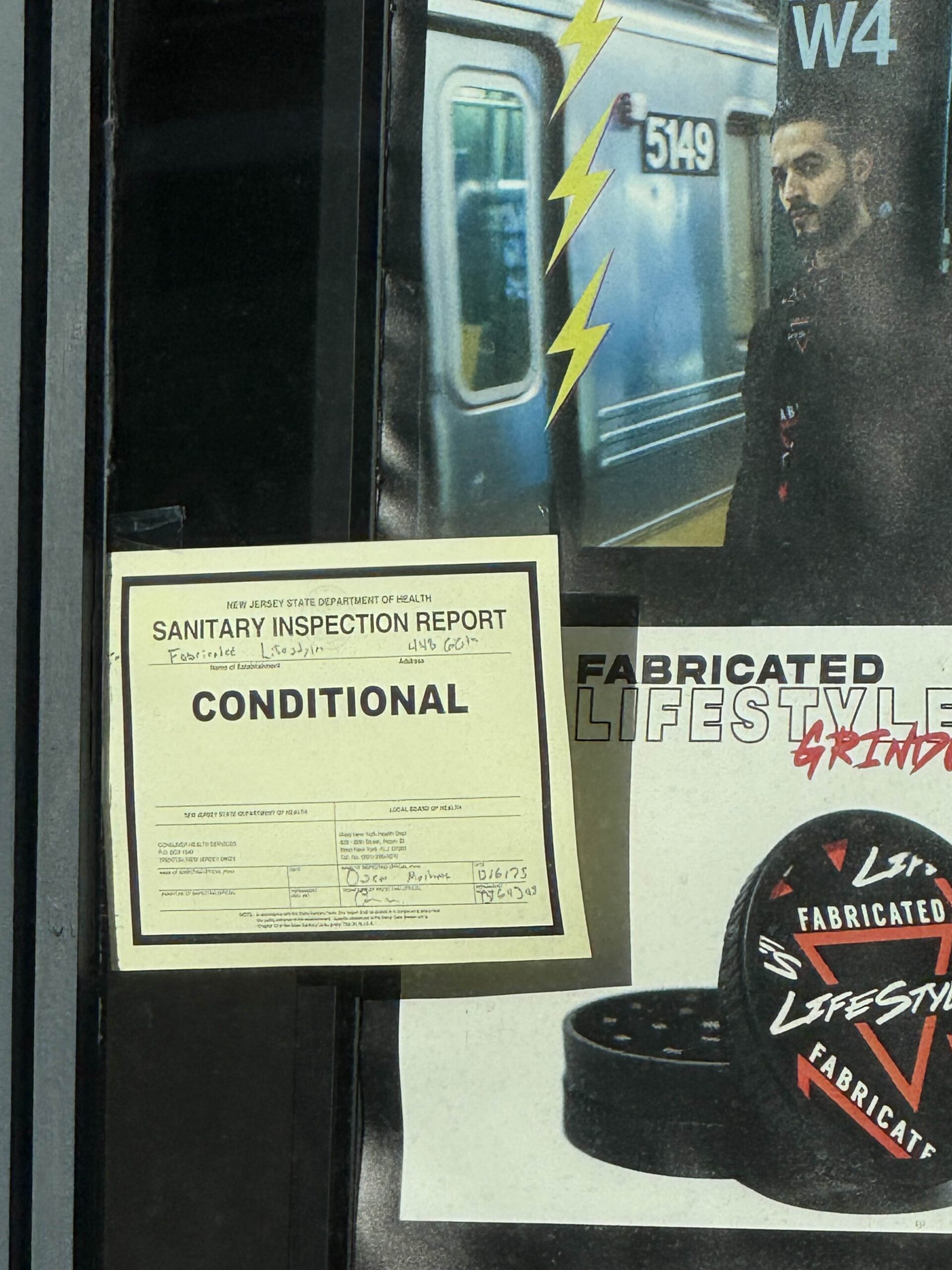
Carlos Monanez, the owner of Fabricated Lifestyles Concept Shop in West New York, opened his shop right during COVID-19. Prior to that, he has had two smoke shop locations in Puerto Rico.
With West New York as his hometown, he said it was the perfect opportunity to open up the shop. However, he explained that the town has since passed an ordinance that no longer allows new smoke shops to open.
“Honestly, it’s a very competitive market, but I feel like the market’s still new. It’s very young. They just legalize marijuana. So, you know, people are looking for other ways to consume their THC, so they will go to smoke shops, maybe different pieces of glass, a different flavor of vaper,” Monanez told Slice of Culture.
While the Farm Bill didn’t necessarily impact his business, he plans to change his model to bring in more glass pieces, bringing more promotion and changing the store concept.
“I’m gonna try to make the connection between health products and other ways of also enjoying your cannabis in a healthy way. So maybe electronic vaporizers, different glass pieces that are a lot cleaner and show people how to clean their pipes,” Monanez said.
At Fabricated Lifestyles Concept Shop, Monanez said the store focuses on training employees on the products they sell and how to use them safely.
Slice of Culture conducted a survey on how residents feel about smoke shops opening up in Hudson County and while many decided not to disclose their names. One of the participants highlighted how smoke shops have made smoking too accessible for people and with that comes low quality in the items.
While others have expressed letting the market decide whether or not the smoke shops will last for a long period of time and also mentioning how it can promote consumption to kids in the neighborhood.
“A smoke shop opened up across the street from me in the last year and I’ve seen more movement in this strip in the last six months than I’ve seen in the last three decades… It’s odd to say but I do think they have created positive change in that way. I still think their presence so close to schools is not helpful,” said one respondent.
David LaMorte, an artist and an art educator in Union County, who currently lives in Jersey City, mentioned how he has seen smoke shops and convenience stores everywhere in his neighborhood.
“My real concern is that all of these gray market smoke shops will take away from a lot of the dispensaries and also legal places that are selling marijuana, and so then it’s harder to regulate them, because they’re kind of doing it under the table, so we can’t keep track of where that stuff comes from, let alone, if they’re selling to minors, if they’re just selling marijuana, or if they’re selling vapes.”
David LaMorte told Slice of Culture.
He expressed concerns about enforcing existing laws to ensure safety and prevent underage sales, pointing out that Jersey City has many schools located near a high concentration of smoke shops.
“But to me, as a parent and a teacher, and as someone who lives in this area, I know kids are going to get stuff no matter what, but, I think people who try and take advantage of that need to be looked at a little closer,” LaMorte added.
Peter Liu, who also completed the survey, mentioned how the spaces could be better used for social areas such as cafes and restaurants rather than opening up smoke shops.
“They’re relatively transactional spaces that don’t seem to promote a sense of community,” Liu wrote.
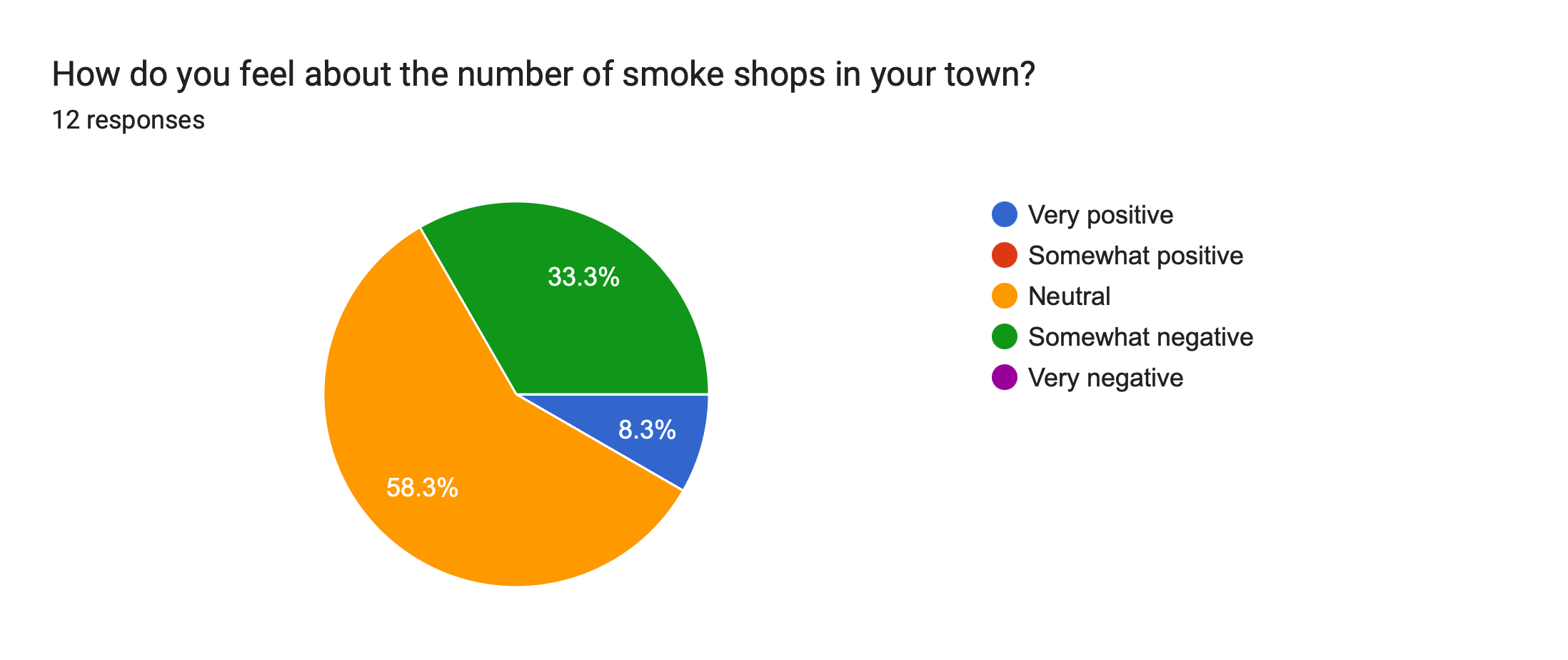
With 81.8% of participants agreeing that smoke shops are increasing in Hudson County, 54.5% said they feel neutral about the number of smoke shops in their town.
But at the same time, many survey takers also emphasized the need for employees of the smoke shops to educate community members on how to use the products properly and responsibility.
The rise of smoke shops and unregulated products can highlight the ongoing tension between local control, state regulation and public safety, as Hudson County continues to navigate the evolving cannabis landscape.
For more information regarding the safe and responsible consumption of cannabis products, New Jersey’s Cannabis Regulatory Commission has released a few tips that can help consumers be safe while purchasing products.
While cannabis is legal in the state of New Jersey, it doesn’t necessarily mean that consumption is safe for everyone. Taking in these products can affect the brain and the body and how everyone reacts may vary.
For more information, the New Jersey Cannabis Regulatory Commission also offers guidance that includes lists of licensed dispensaries, answers to frequently asked questions and information on the effects of consuming cannabis products.