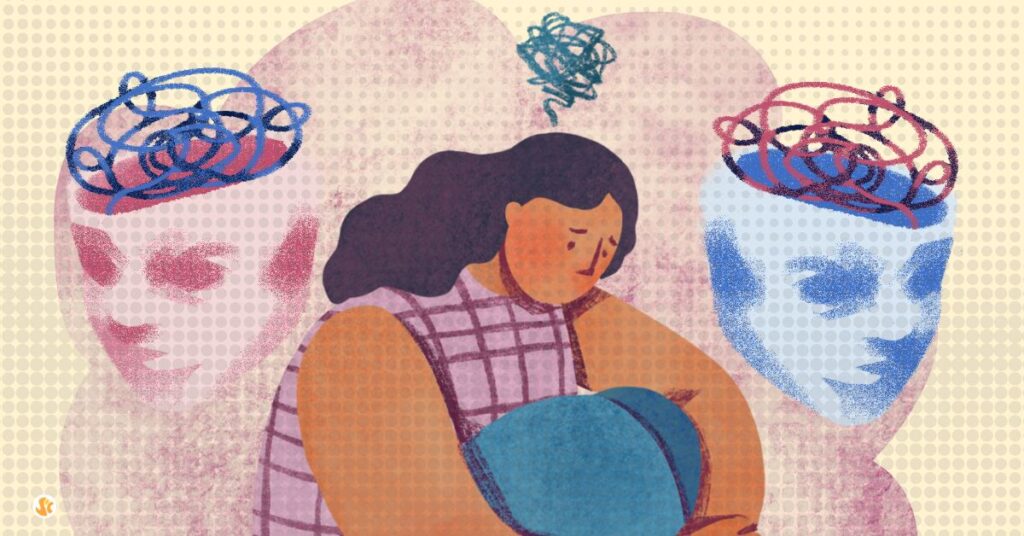
Graphic by Adrienne J. Romero / SOC Images.
Mental Health — we all have it, and now we should all strive to be more open and vulnerable about it.
TheraPieces* is a Slice of Culture column by Mendez, who is a licensed psychotherapist specializing in clinical mental health and has a Master of Social Work degree from Columbia University.
ADHD has become an increasingly viral topic to talk about.
This is especially due to the rise in advanced technology and rapid access to information, as well as misinformation. ADHD however, is not always what it seems, and it’s best that we check the facts.

Attention-Deficit/Hyperactivity Disorder (ADHD) is a common neurodevelopmental psychiatric disorder most recognizably characterized by difficulties with cognition and functioning, such as concentration, hyperactivity, impulsivity and inattention.
It is most commonly diagnosed in childhood, and symptoms can continue into adulthood, in which approximately 50-60% of children diagnosed with ADHD carry their symptoms into adulthood.
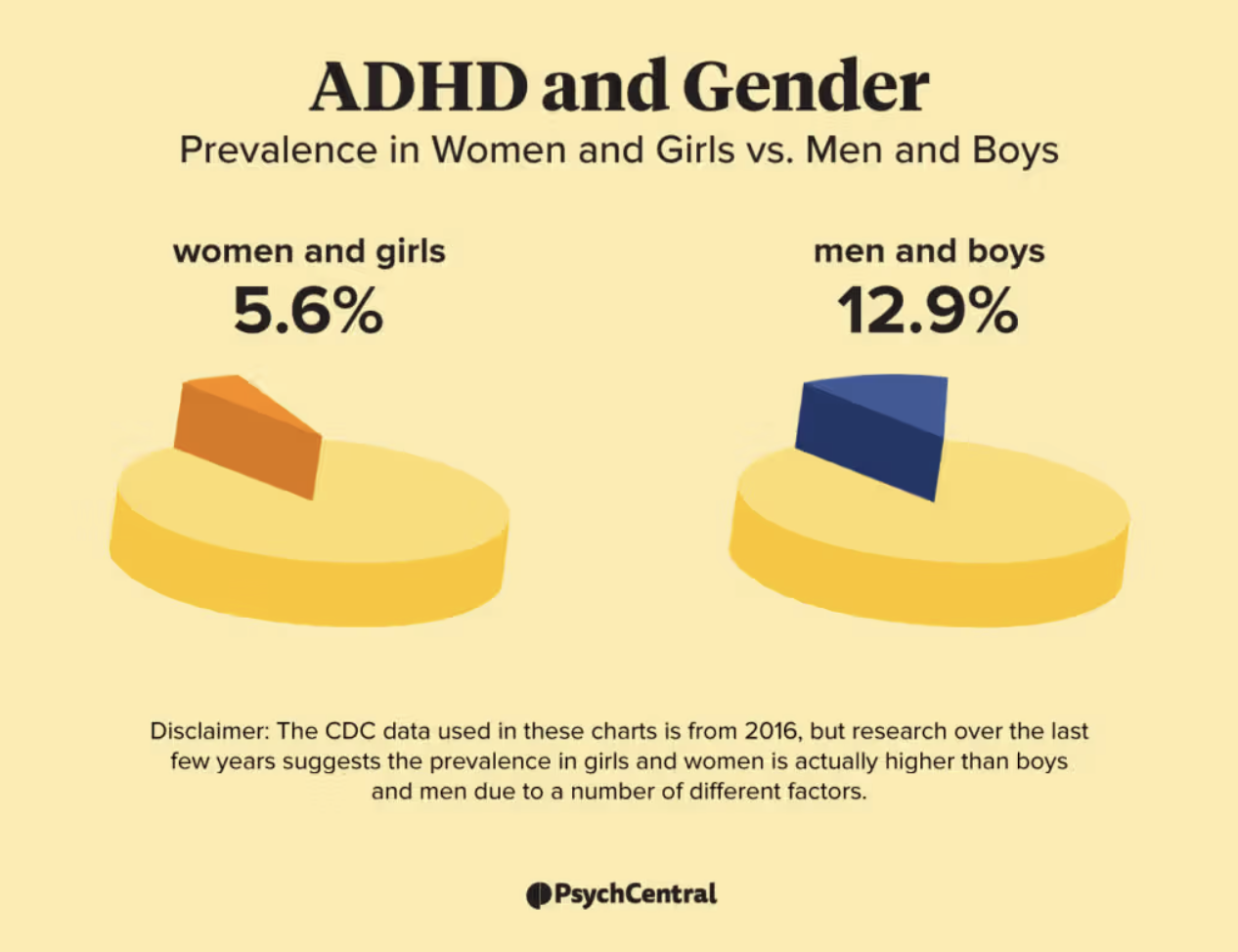
For many women, they may spend years struggling to understand and combat the challenges with ADHD until a proper diagnosis is clarified. Because ADHD has been previously acknowledged only with hyperactivity in growing boys, evidence does suggest that many girls and women also have ADHD that shows their symptoms are more innate, often being misdiagnosed or have gone unnoticed.
The ADHD brain lacks high levels of neurotransmitters like dopamine and norepinephrine within four areas of the brain:
- Executive functioning
- Emotions
- Attention
- Communication/fine motor skills
The reality is that ADHD can occur in anyone, as it manifests differently among age groups and genders.
The History Behind Women And ADHD
Societal norms and personal values play a vital role for those diagnosed with ADHD.
Years ago, ADHD was once thought to be a male only disorder (shocking!), which left many women suffering in the dark. Back in the days, ADHD research was run primarily with hyperactive boys, leading the diagnostic criteria to lean towards only male-presenting symptoms.
Women would often get assessed for their moods and behaviors with other common diagnoses—such as depression and anxiety, or even bipolar—but in most cases it was due to the nature of one’s emotional reactivity, persistent anxiety and mood swings.
However, this actually shows how ADHD manifests and actually can be disguised as any of these.
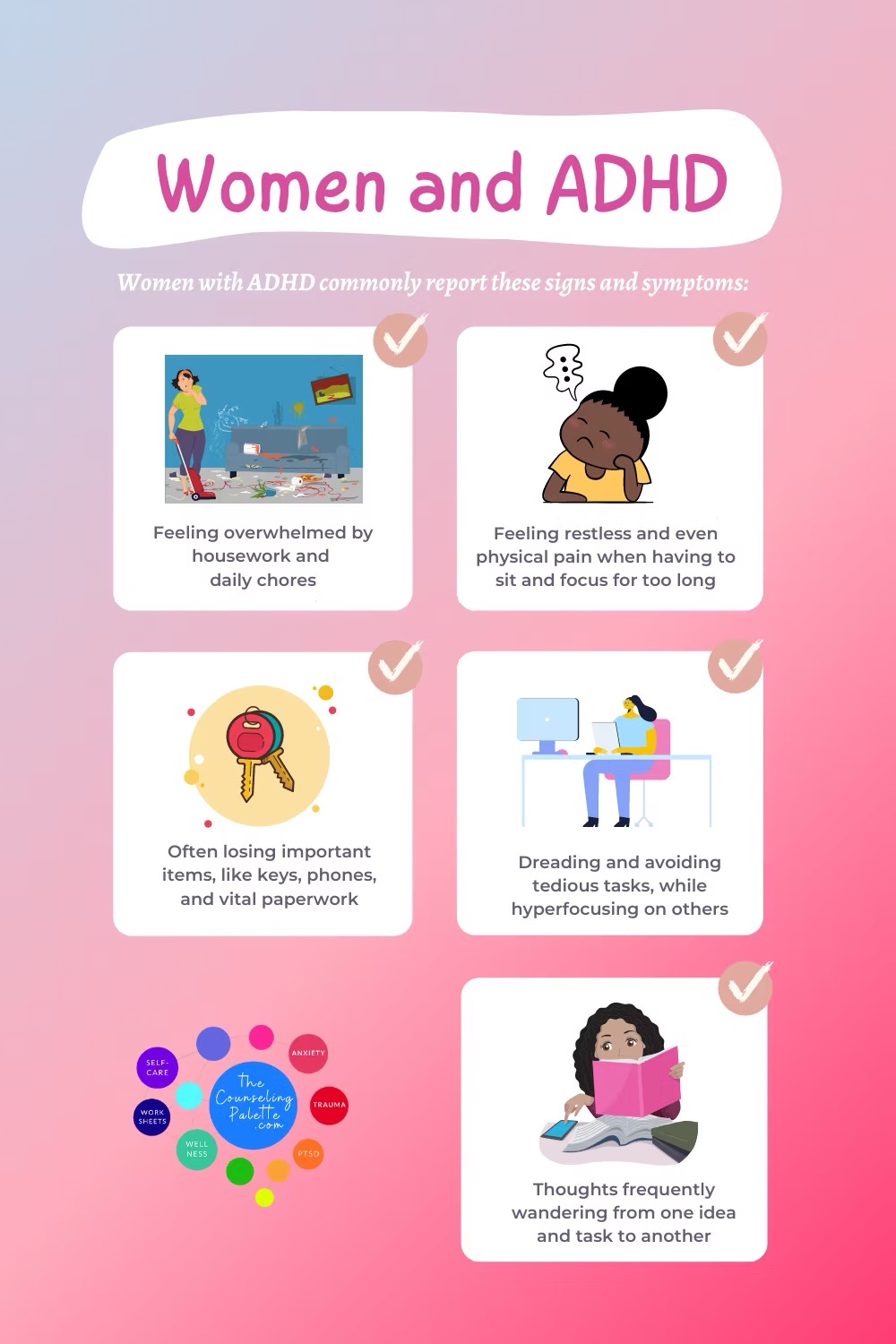
ADHD in females often shows more with inattentive and internally masked symptoms, such as difficulties with remembering and lack of ability to focus. Other symptoms include: poor emotional regulation skills, fears of lacking self-control and anger/emotional outbursts.
There are also differences in gender social norms and biases, such as girls having to present as more “feminine,” “polite,” or “lady like,” which is not outwardly represented through behaviors of impulsivity, hyperactivity and disruptiveness, often seen and allowed in “young growing boys.” This leads to more females being prone to internalizing their issues and struggles, which may lead to anxiety, depression, low self-esteem and sense of self and difficulties with social interactions.
Gender Biases + Differentiations In ADHD
Studies reveal that due to differences in gender social norms, females are more likely to mask and internalize their ADHD symptoms and concerns than males are, according to what was once known as acceptable behaviors amongst both boys and girls.
Because ADHD also affects executive functioning, women with ADHD are often labeled as “lazy” or “unproductive,” when in reality ADHD impacts how the brain is wired to understand certain behaviors and emotions.
I spoke with Joy Oliveras, a fellow contributing writer here at Slice of Culture, who is a woman diagnosed with ADHD.
“As females we are taught to internalize these behaviors, or be told that we’re lazy but also it’s more to do with our brains—our brains are at the center of our nervous system.”
Common symptoms of ADHD that are revealed in more women than men are:
- RSD (Rejection sensitivity dysphoria)
- Mirroring
- Catastrophizing (thinking the worse case scenario is actually going to happen)
- Time blindness/blocking
- ADHD paralysis
- Hyperfixation
- Body doubling
- Masking
Masking occurs more in women due to the societal pressure and gender bias of women who are most likely to be conditioned to act reserved, quiet and organized, with the need to hide inattentive or internalized symptoms. This may also lead to a misdiagnosis or late diagnosis of ADHD because these symptoms are overlooked due to years of hearing to “act normal” to cope with challenges. Masking can be both a way to cope with one’s surroundings or social experiences, but it also self-sabotages as it minimizes one’s symptoms instead of learning to properly manage them.
You’re Not Alone!
So many women have experiences with ADHD, but still they continue to persevere.
Here are some words from Facebook users in a public group called “ADHD support for WOMEN,” which is joinable by all.
“Just because your brain is slow today, does not mean you’re lazy…Some days you can conquer the world, some days the victory is just completing one task a day, both days matter.”
– Eve Adams
“Our differences are what connects us. We’ve been misunderstood for so long, ‘too loud’ or ‘too quiet’… If we could just allow time and space for acceptance as well as understanding, we can form the most genuine, meaningful connections.”
– Sophie James
“I’ve been doing this for a long time and I’ve seen ADHD through all the stages, and what people need is the right support to best understand themselves and to have the best quality of care.”
– RenaFi
It is important for all women or those with ADHD to do the research and become further aware of what ADHD is, as well as their own struggles with the disorder in order to properly self-advocate for the best and most accurate feedback to one’s treatment of care.
If it doesn’t feel right for you, a second opinion can always be done.
Women with ADHD are often labeled as “too much” or “not enough,” maybe even both at the same time.
However, this isn’t the case for women who have neurodivergent brains and learning more about the disorder will help dismantle stigmas and false information among women who do have ADHD.
Women with ADHD can learn to manage it to their advantage, as the ADHD brain can become strategic, routined, creative and balanced.
Everyone is different, but all can learn to manage their ADHD effectively, to learn the proper skills and psychoeducation on how the brain works along with what best responds well to one’s triggers and symptoms, as long as it makes the most sense to the individual.
It is important to bring awareness and have more open conversations regarding ADHD, especially in women, in order to tackle inappropriate or inaccurate stereotypes and to spread important information on the diagnosis for those to be able to access effective and proper treatment as well as medication services.
Having ADHD can bring up a lot of challenges to our everyday lives, but the more we learn about our symptoms and ways to best properly manage and function it, ADHD can become our superpower.
If you are someone who might be struggling with ADHD, getting accessible care or are not sure if you have ADHD and want to inquire about an ADHD evaluation, look into the following resources below:
- ADHD Testing and Treatment in New Jersey & New York
- ADHD, Mood & Behavior Center | Online ADHD Care in NY & NJ
- ADHD Care for Women – ADHD Treatment for Women
- ADHD in adult women
If you want a specific topic related to mental health covered, Daniella Mendez may be reached at [email protected].