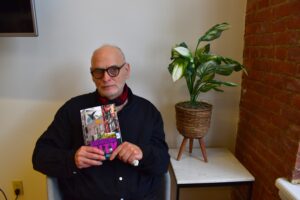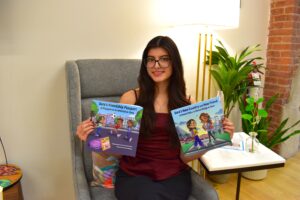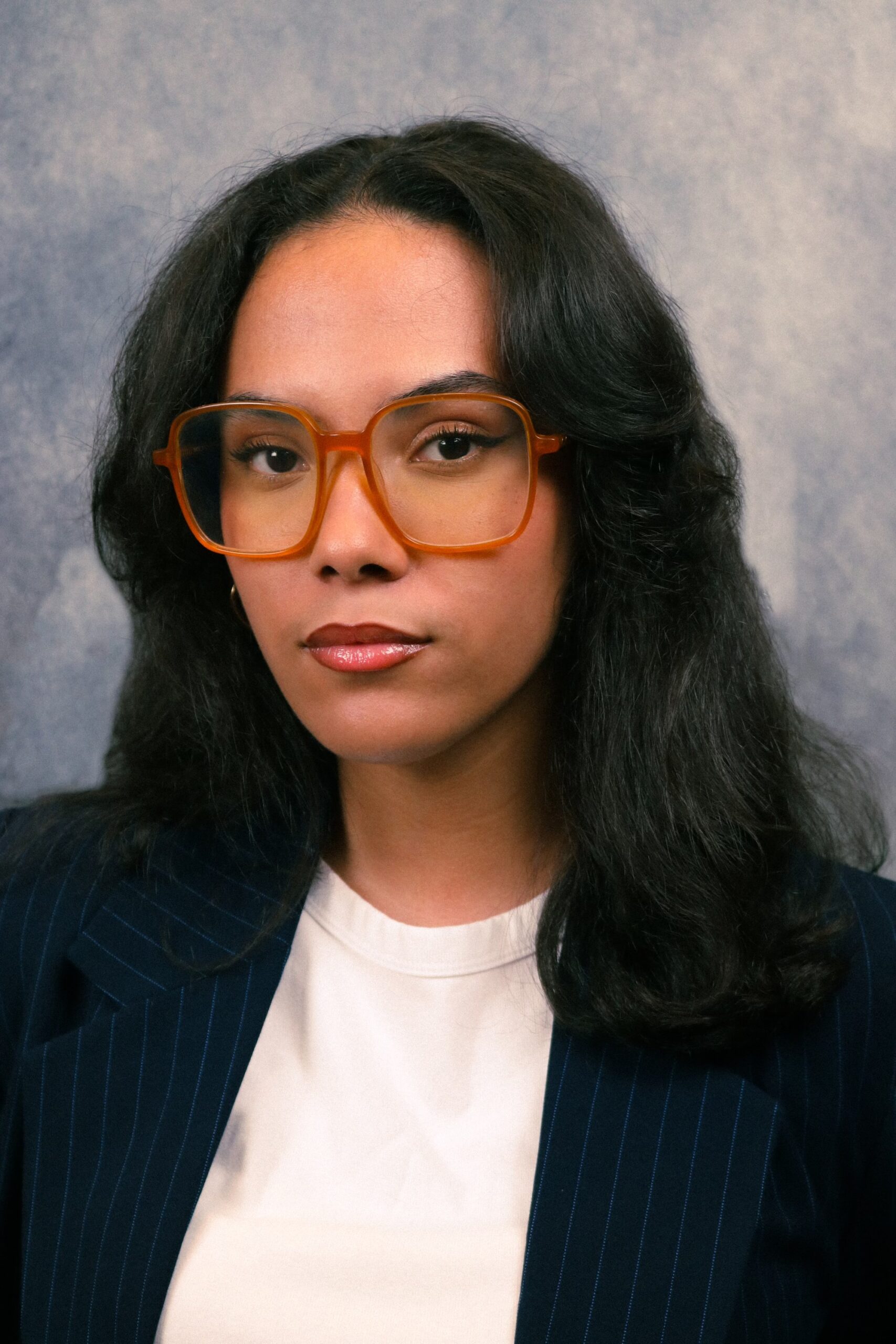
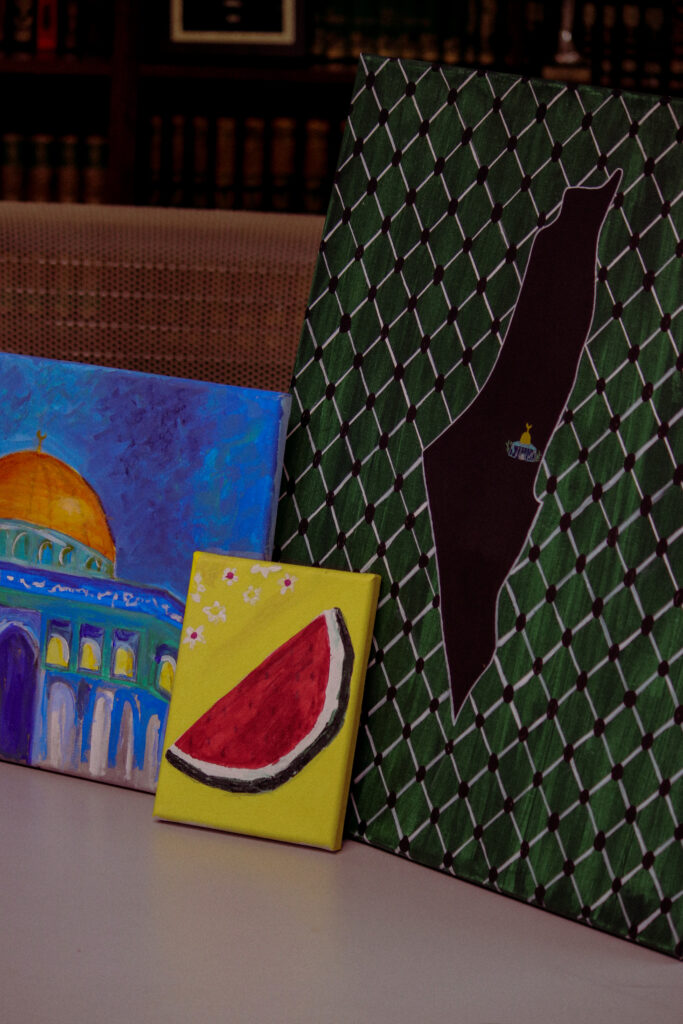
Photo by Chelsea Pujols / SOC Images.
Editor’s Note: Slice of Culture did a story on uncommitted voters in the 2024 presidential primary as a response to the events unfolding in Palestine, interviewing Noor: a local who dedicated herself to educating others about voting and her home country during election season.
A year later, Slice of Culture met Samah, Imam Mohammed and Qamar. These are their stories as they find a safe space in Hudson County, New Jersey.
For privacy and safety reasons, these community members have decided to go by their first names only and asked Slice of Culture not to name the Islamic center they attend.
Samah: Finding Peace In The Unfathomable
Entire families losing their lives in a day, children becoming orphaned overnight, young people losing the light in their eyes as their dreams are buried further into rubble—those are the images that live in the mind of Samah, a young worker at a local Islamic center.
Born in the United States, Samah has seen the Palestinian struggle from multiple perspectives as she was partially raised in the West Bank. This makes the tragedies coming out of Gaza that much more personal.
“It’s terrible,” she said of the rising death toll in the region. “It’s a crime, [no] word can justify what’s going on there.”
According to Jordan News, the Gazan death toll has reached 72,133, which is an unfathomable number for Samah, whose sister, mom and grandfather still live in the West Bank.
Samah described that death in Palestine is harder to come to terms with than experiencing death in other countries. Death in Palestine is brought on by other human beings, something she feels can be avoided and controlled.
“How would you feel if you got a phone call and they tell you: ‘Oh, you have lost all your family’,” she questioned. “[Is what] other people are doing, a genocide, normal?”
Despite the pain she carries and the mental obstacle it brings for her, Samah continues to speak out and show up for her community.
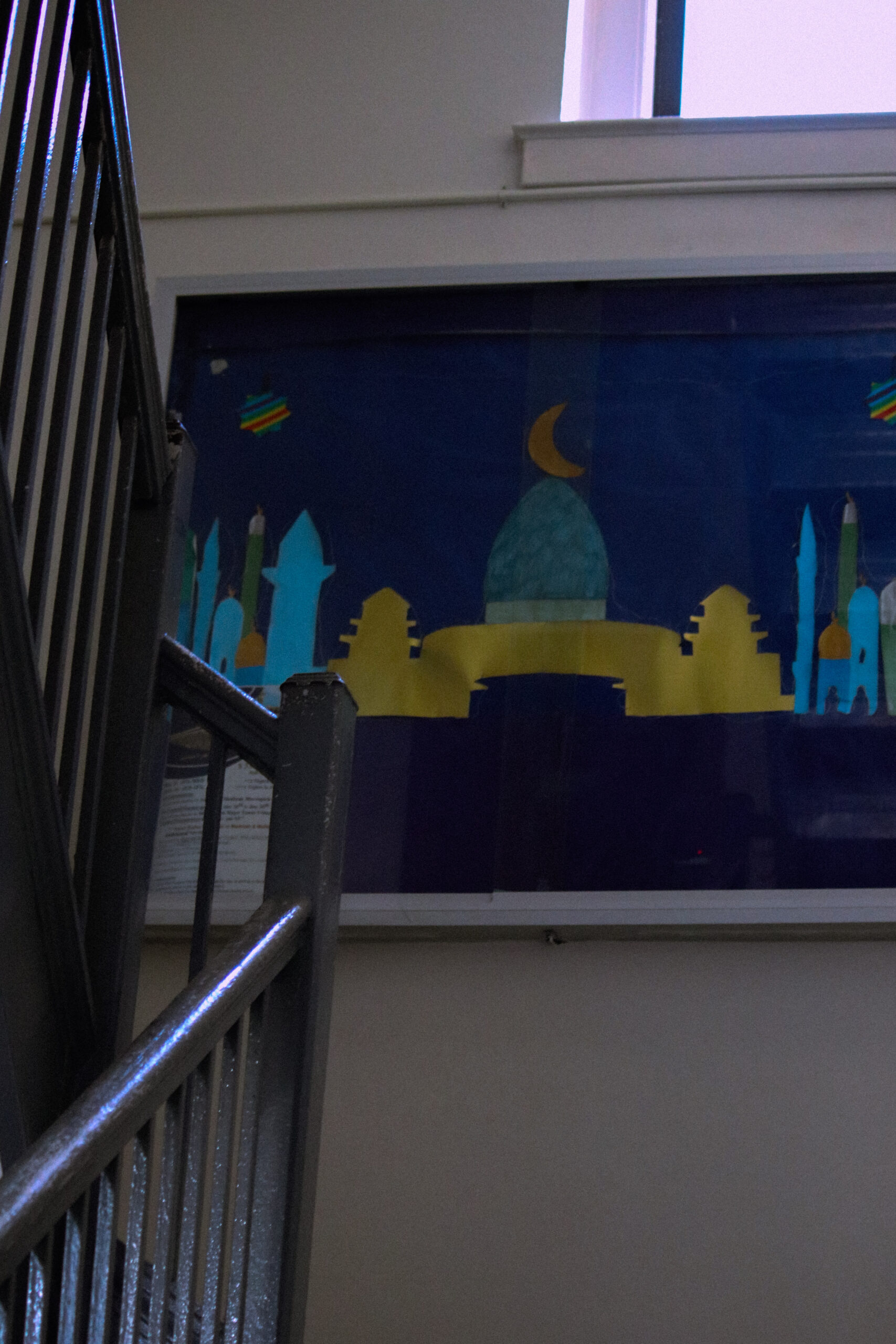
On the day of the interview, Samah hosted a bonfire for the center’s Girls Club to give them the joy of having a first-time treat for the Palestinian-American: s’mores.
The memories of Palestine are what give Samah true comfort. When asked what connects her to Palestine while being in Hudson County, she responded a single word.
“Peace.”
Recalling sitting in gardens and porches outside her West Bank home, she told Slice of Culture she feels peace is essential to Palestinian life.
“You feel like you belong to your country, to your roots, to your ancestors. You feel like your soul is connecting there…there’s a lot of things you have to do to feel like [that in the United States] to live a decent life.”
– Samah
While a key part of the American Dream is considered to include building generational wealth through home ownership, 29.4% of Hudson County residents own a home. Samah says the feeling of knowing your home, your gardens and the earth belongs to you is the true meaning of freedom.
“Over there, you have your own house and you have the key and that’s your freedom. To open your house, sleep, get up whenever you want, do whatever you want…,” she said.
Because of this, Samah is hopeful that this feeling of freedom will return to Palestine, no matter when.
“Palestine one day will be free, if I [am] alive or if [I’m] not alive, but one day, it will be free. If it [isn’t with] my generation, it will be the generation after me.”
Imam Mohammed: Humanity & The Harvest
Imam Mohammed vividly remembers the time of harvest in Palestine, when he enjoyed the fruits of his family’s labor on his grandfather’s land.
“My dad took us there and taught us how to plant trees,” he said.
“And he told me, ‘This tree, I planted this tree when I was a kid.’ And I look at this tree, this big tree, and it’s as old as my father. And [then] I look at this tree, and it’s as old as my grandfather’s brother.”
He remembered fresh pomegranates and how its ruby-red seeds became an every day meal when it was in season, and the same for oranges, figs and grapes; Mohammed and his family valued every step of growth, from seed to sapling to the sweet result.
As he was fondly familiar with his hands in the dirt, carefully watering plants with his father and planting seeds for his family’s legacy, Mohammed just as vividly recalls soldiers, guns and tanks.
“None of us here [in the United States] can imagine this,” he said. “Never on your way to work you run into a tank or six soldiers armed to the teeth, pointing their laser guns at you.”
This, as Mohammed describes, is a normal occurrence at a checkpoint by Israeli soldiers or settlers on Palestinian land before Oct. 7. Mohammed recalls his parents wanting him to attend a private school in Ramallah, a city near his village, but the 20 to 25-minute trip to make it to class was impeded by checkpoints, which he says was “humiliation” and “eye-opening.”
Because of this, Mohammed made the decision as a child to go to public school in his village, but checkpoints still affected his day-to-day life.
Mohammed recalls visiting the city of Nablus with friends as an adult to enjoy knafeh, a pastry dough and cheese dessert. The 45-minute drive was halted as flashlights and guns pointed at the car full of friends younger than 25 years old.
“The first time I’ve seen that, my heart was pumping out of my chest. When you grow up, you get used to that. Intimidation tactics,” he said.
He said that everyone in the car had given the soldiers their identification and were asked if they had ever been detained before. One of them had.
“It’s not uncommon to hear somebody being detained,” Mohammed said. “Majority of kids had been detained at 13, 14, 15.”
Mohammed’s friend was grabbed out of the car and was asked about how he was detained, and he explained that it was because he threw rocks at a humvee, a military vehicle, at 12 years old. Mohammed explained to Slice of Culture that this is a common way for children to express their frustration or annoyance at the presence of oppression in their communities.
Stone throwing has been regarded as a form of protest in Palestine since before the common era, with symbolic ties to Islam, Christianity and the Jewish faith. In comparison to military tanks, stone-throwing is viewed as non-lethal or non-violent protest and is compared to the story of David and Goliath in the Bible, where a mere rock took down a mighty giant.
The act, though its intention and origin are heavily debated, is considered a felony by Israeli law.
Those who throw rocks at a vehicle without proof of wanting to cause harm would be sentenced to 10 years in jail, and those with proven intentions to harm others would be 20 years, according to The Guardian.
Soldiers then threw the friend to the asphalt, stepped on and kicked him while the rest of the car watched.
“They’re kicking him, they’re stepping [on] him, and they’re like: ‘None of you move.’ And we’re just waiting for our friend… [Will they] finish beating him up, give him back to us? Are they just going to hold him for the rest of the night?”
In the past two years, Mohammed says that the amount of checkpoints have increased in the West Bank, making everyday travel more difficult.

The United Nations Office for the Coordination of Humanitarian Affairs, or OCHA, says there were 793 obstacles for traveling Palestinians in the West Bank in a fact sheet from September 2024. These obstacles are defined as:
- Checkpoints with 24/7 surveillance and staff
- Checkpoints that are partially staffed
- Earthmounds, which are hills made of gravel, sand, rocks or debris
- Road gates
- Road blocks
- Closures that block one or more roads
They also report that 40% of these obstacles in place block Palestinian villages’ direct access to eight major roads that lead to the north and south of the West Bank and the Jordan Valley.
“Now there’s a checkpoint at the door of the village,” he said. “They put a gate and they locked us in like sheep.”
The rise of social media has helped instances like this come to light, which were often hidden by narratives biased by whoever is in power, Mohammed describes. The current war is being documented by journalists on the ground like Plestia Alqad, Motaz Azaiza and Bisan Owda, but non-journalists alike have recorded moments that go beyond the Israel-Palestine border.
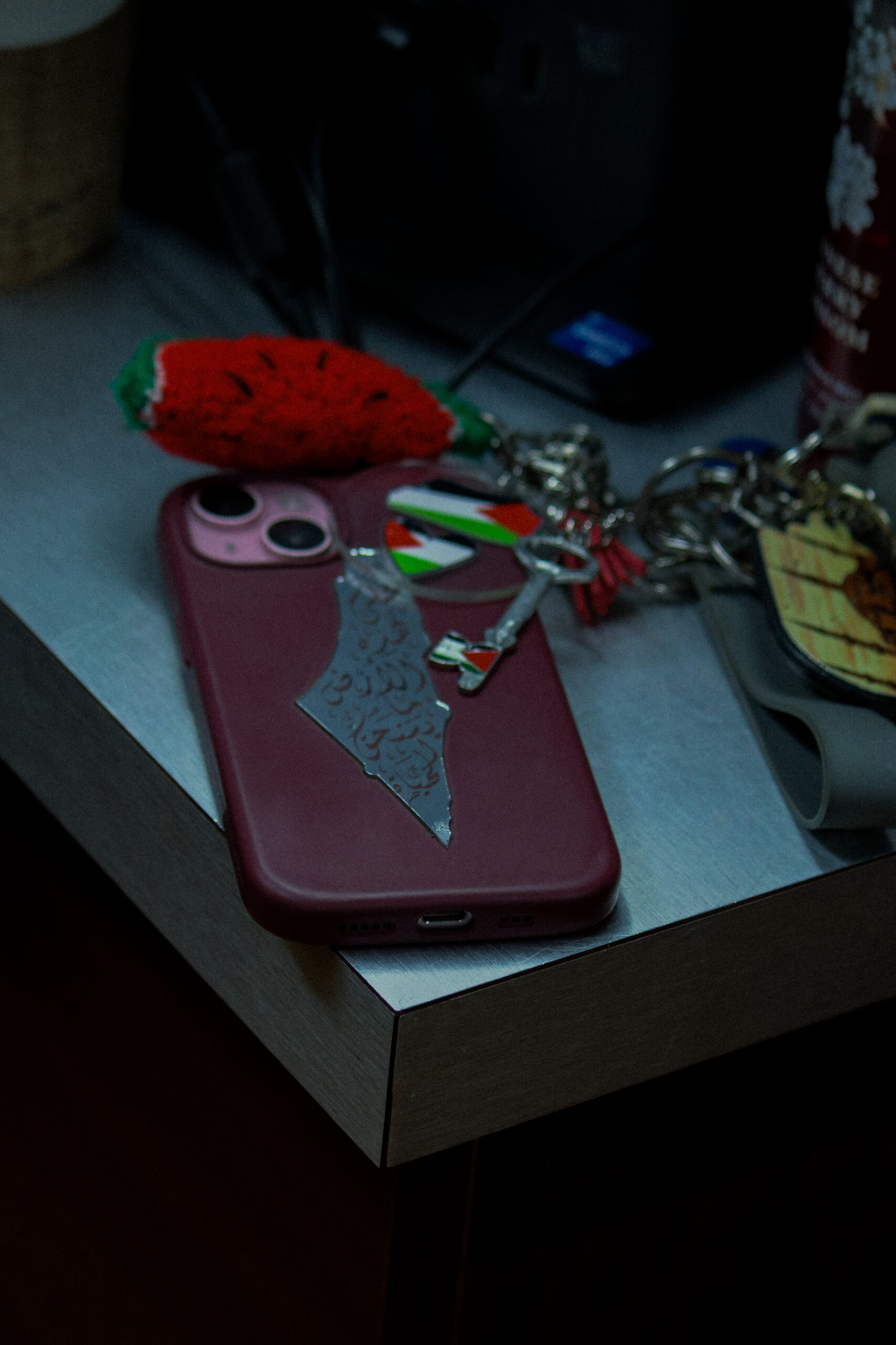
An example that came to Mohammed’s mind was the story of Amer Mohammed Saada Rabe, a 14-year-old Palestinian-American from New Jersey who was killed by Israeli military officials in April 2025. A heightened awareness of Palestine and a growing New Jersey community online caught the attention of New Jersey politicians like Gov. Phil Murphy, Senator Cory Booker and Senator Andy Kim.
This makes Mohammed hope that people will feel encouraged to look deeper into current events and begin to look at both sides of the story through a perspective of humanity.
“You see with your own eyes, these videos: kids with no limbs, parents carrying their children in plastic bags, collecting their pieces. Your humanity has to show up sometime. There has to be some cognitive dissonance. There has to be some questioning.”
His lived experience and watching events unfold overseas has played a role in Mohammed’s life as an “Imam,” where he leads people at the islamic center in prayer. Despite the pain and grief inside, he reminds people to continue in their advocacy to hold politicians accountable for the lives lost.
“No matter what you work, it’s gonna destroy you from the inside,” he said. “Here as an Imam, a lot is expected of you, but you can remind only so much. It’s the people in power that have to do the change….One call from Biden or Trump would’ve stopped this whole thing. Imagine–that’s what breaks your heart. My president would’ve…one call would’ve saved 450,000 lives.”
His exposure to genocide, violence and oppression has also allowed him to become more introspective in his place as a human being and community member. He said that he is able to use his life as a Palestinian to connect to other marginalized groups.
“When injustice happens, it connects everybody. When injustice happens, all of humanity should come together and feel for the weak, feel for the oppressed.”
– Imam Mohammed
Qamar And Huda: “It’s Only Palestine”
Qamar carries memories of learning how to swim on Palestinian beaches with her dad, her friends, family and accompanied by her favorite food, shawarma.
As Qamar is in the United States receiving medical treatment, she told Slice of Culture she often dreams of “something weird” happening to them.
“When everybody goes to bed, I woke up and I think of something weird that like happened, but then everything gets fine.”
This “something weird” is the war in Palestine, where now eight-year-old Qamar lost her leg due to an airstrike hitting her family’s home in Jabalia, a refugee camp in Gaza, on her sixth birthday: Dec. 4, 2023. Qamar told PBS this was “the worst birthday ever.”
Qamar, her mom Huda and her brother Omar came to the United States in March 2025 assisted by HEAL Palestine as a part of their Global HEALing program.
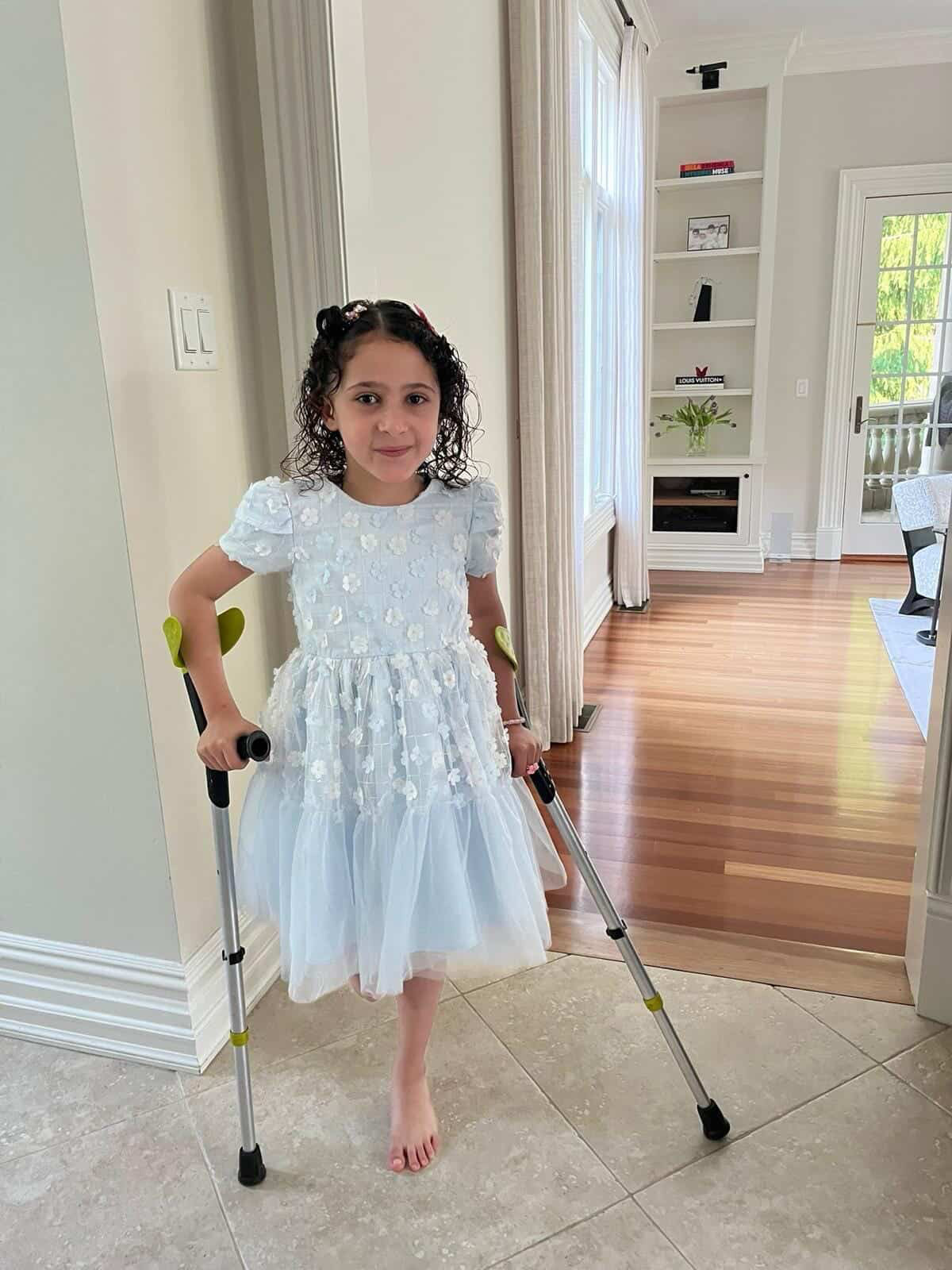
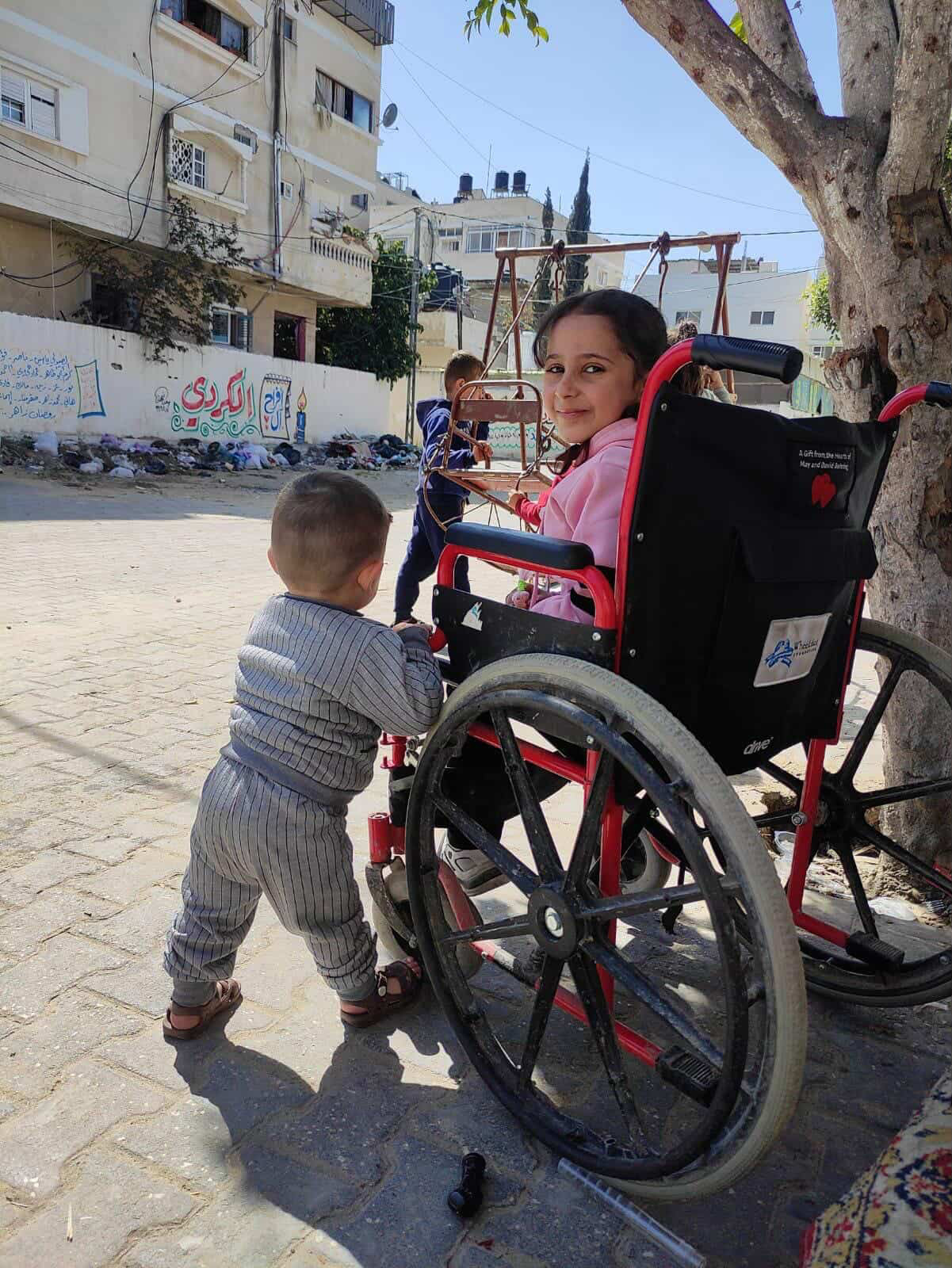
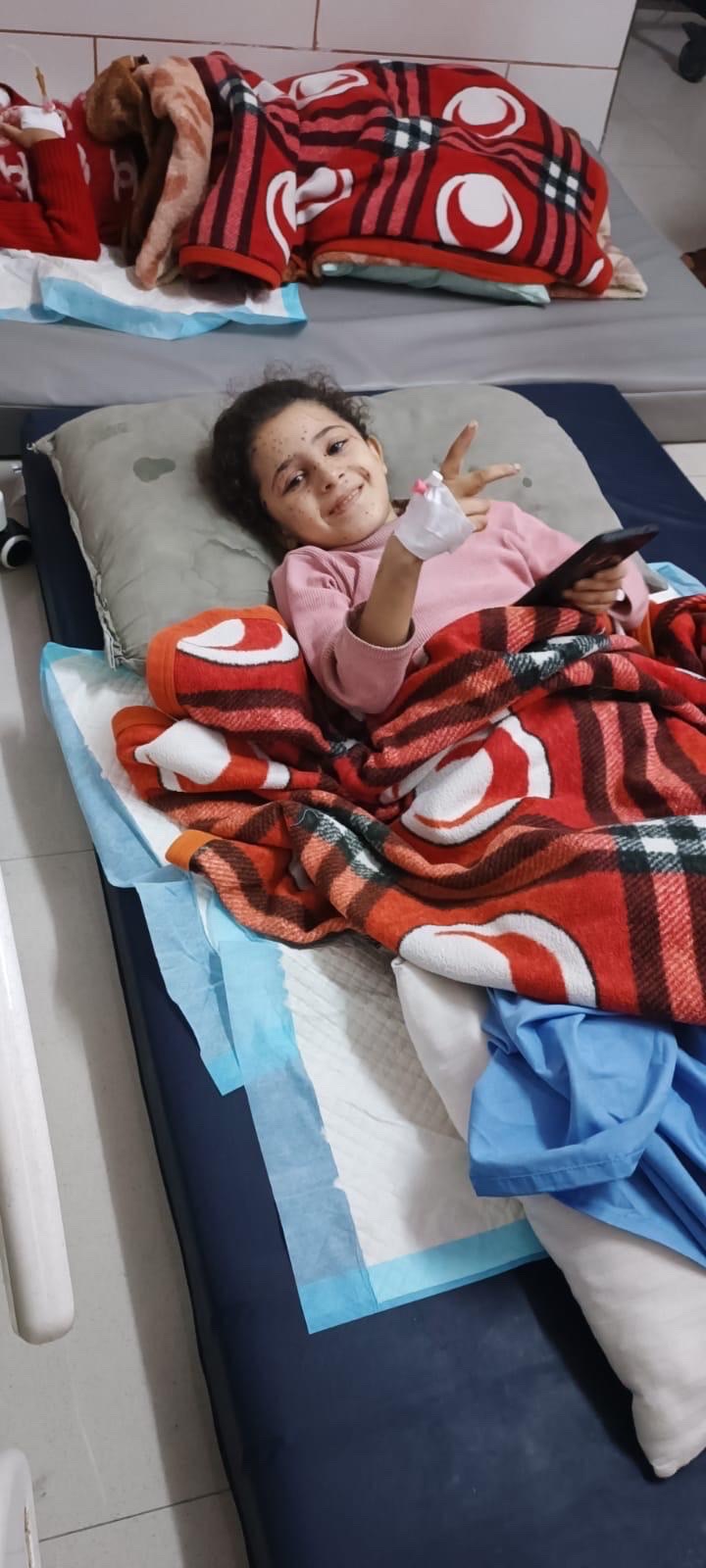
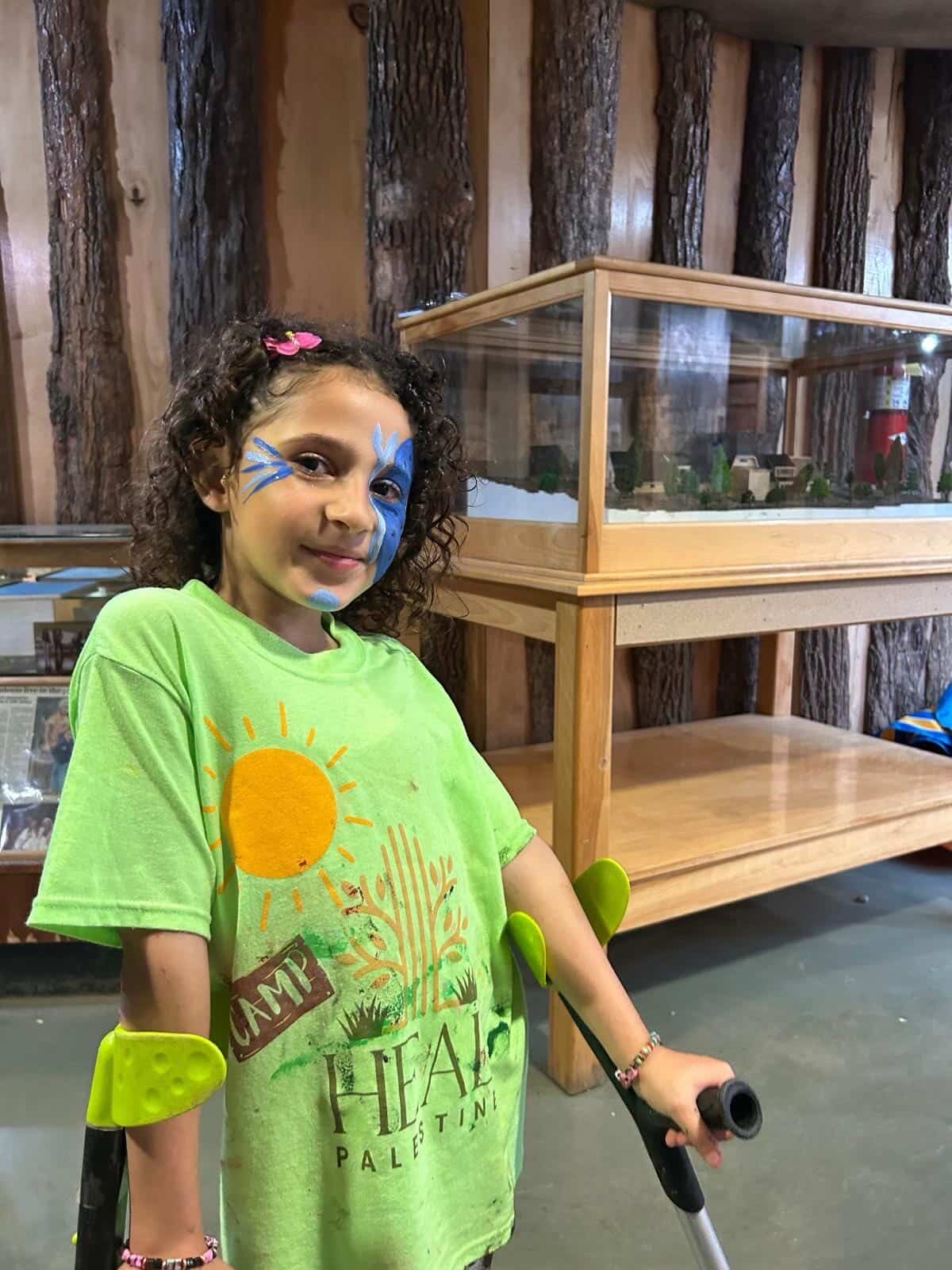
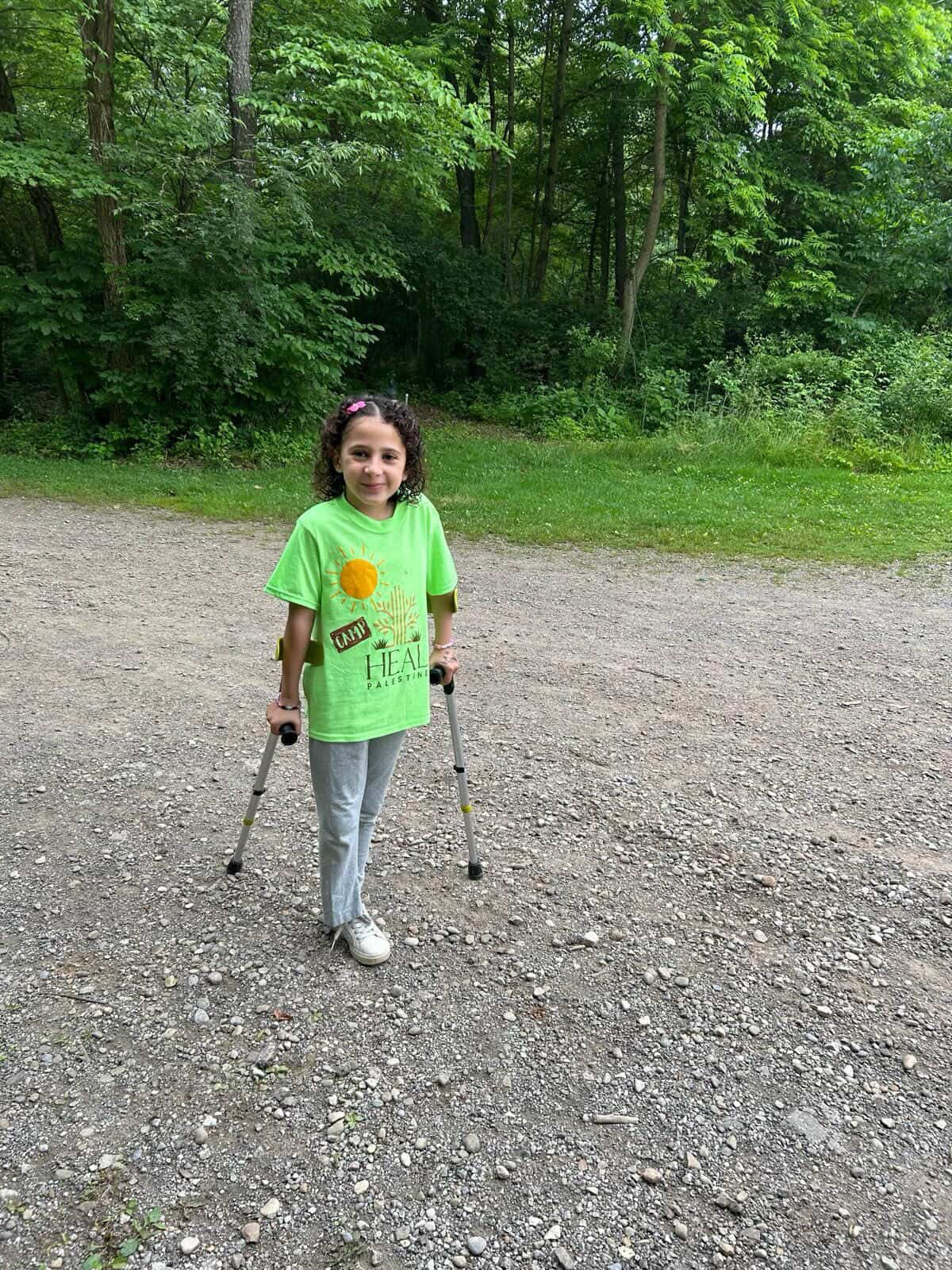
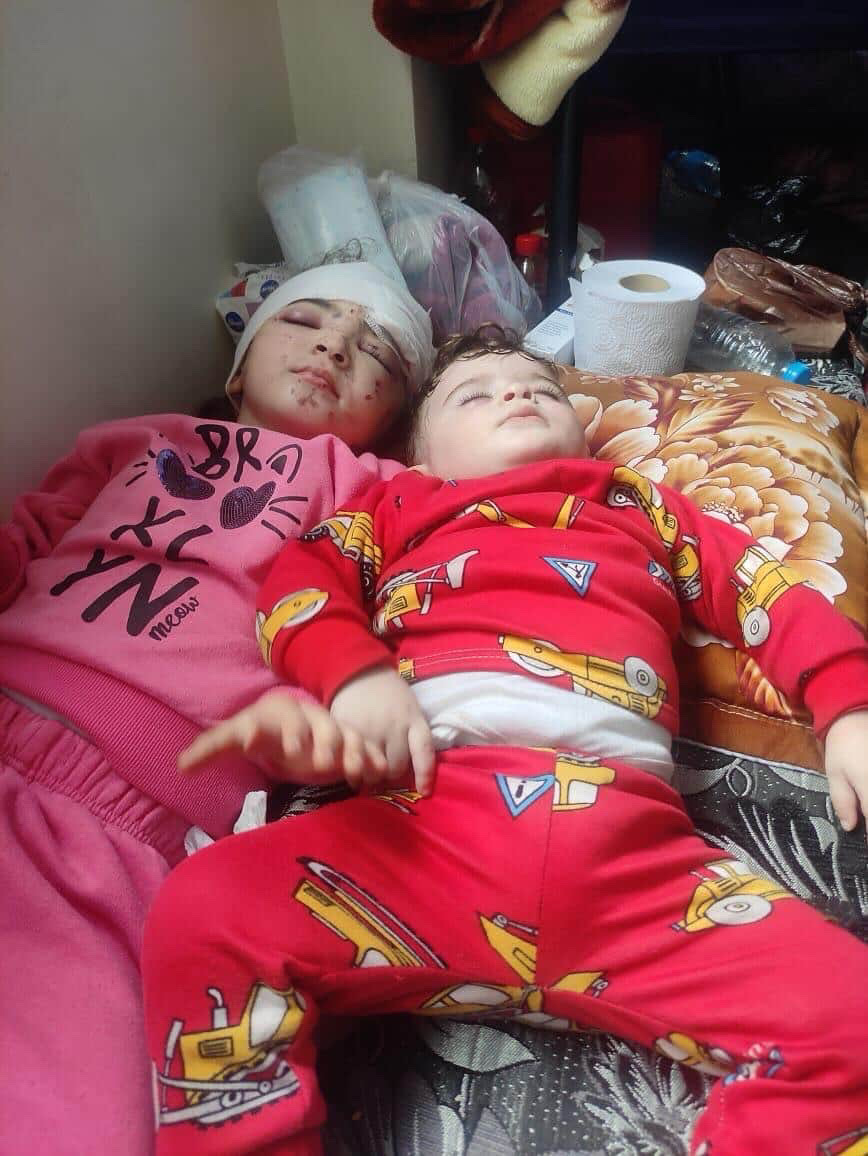
With the help of Huda, Qamar said that she is happy that there is no bombing in the United States and that the people here want to help the people back home. She also explained that she feels sad for those still in Gaza, including her sister and father.
“Tuleen is my sister. She is six ….. when I was five and she was four, we used to hit each other a lot…my dad always handle it,” she said.
With Huda and Noor translating, Qamar said that she looks forward to going back to Gaza, rebuilding and living a good life. Despite her traumatic experience, she also hopes to run and play with her sister again and keeps a bright attitude.
She told Slice of Culture her favorite colors are pink, purple and black, and she wants to have red or blue hair one day.
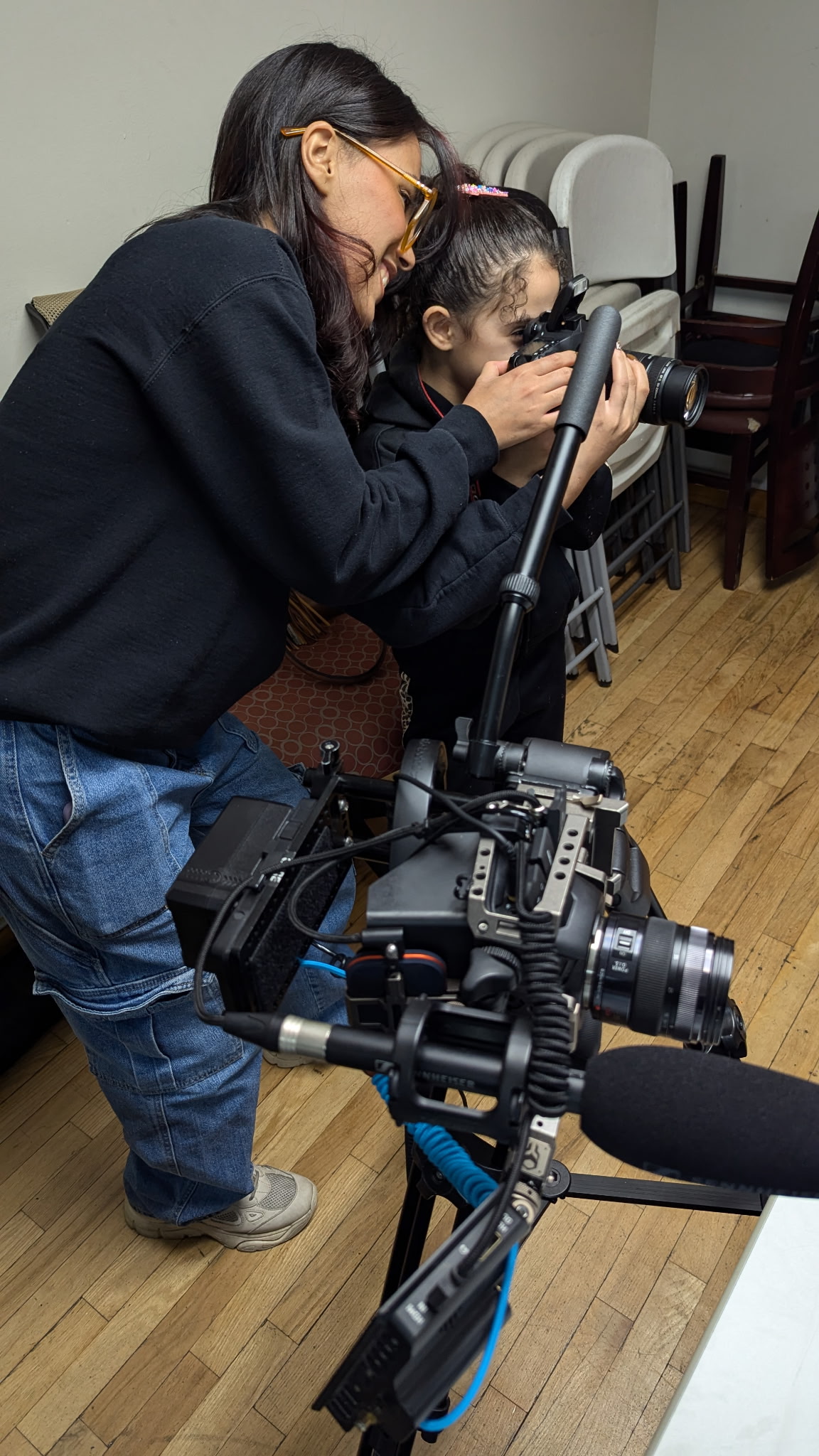
“Qamar has a prosthetic now. She’s been walking since a week,” Huda told Slice of Culture the day of the interview, Nov. 28. “I could tell that she’s different now, even though she doesn’t want people to see she has a prosthetic. She’s like, ‘Now I have two legs,’ which is good. I’m happy that she’s happy.”
When asked about what the experience has been like, Huda said she tries to stay as strong as possible for her family. “I focus on the future more, because when I’m strong, she’s strong. So that’s what’s important to me,” she said.
Qamar, Huda and Omar keep in contact with family everyday through text, but Huda is hopeful that they will see each other again soon.
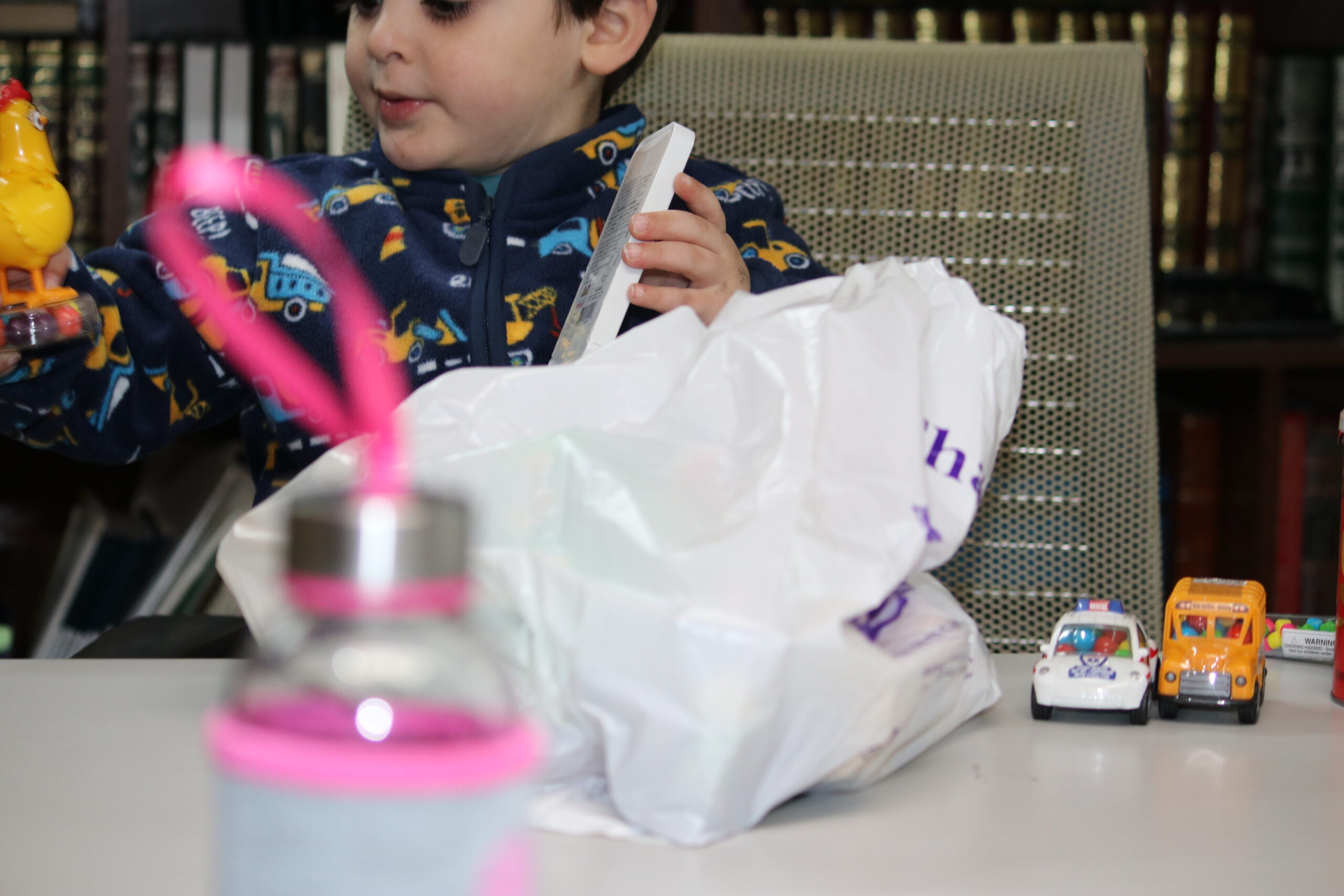
“What makes me feel better? That one day I’m gonna come back, Inshallah. [God willing.] I have my family there too. My parents, my brothers, my sisters, everyone. My husband’s there, my daughter. So I can’t think of another place. It’s only falastin [Palestine], it’s only Gaza,” she said.
Noor: Work Beyond The Polls
During the presidential election season, Slice of Culture met Noor, who dedicated the time to educating others about how they can use their voting power for the Palestinian cause.
As a result, Hudson County became a prominent voice at the polls as the second-highest county in the state to vote “uncommitted” at the presidential primary on June 4, 2024.
6,129 “uncommitted” votes for Hudson County and a year later, Noor’s work has not ended though it is no longer on the ballot. Still working at a local Islamic center, she focuses on empowering the community through education and empathy.
“We can have power, each in our own way,” she said. “We need to educate, we need to give [people] support in every way possible, whether it’s financial, by words or telling them, ‘We’re here for you.’”
Though the world has grown accustomed to watching the war unfold on their television and phone screens, Noor says the Palestinian community is disheartened by temporary ceasefires, which they feel has brought no real change to the region.
“It’s overwhelming…it’s kind of sad that a year or two [ago,] we’re still talking about the same problems, the same situation…not much has changed…from ceasefire to another bombing,” Noor said.
So far, Israel and Palestine have had three ceasefires; the first in November 2023, a second in January 2025 that ended in March and a third that began on Oct. 10 as a part of President Trump’s 20-point plan to bring peace to Israel and Palestine.
“I am very proud to announce that Israel and Hamas have both signed off on the first Phase of our Peace Plan… BLESSED ARE THE PEACEMAKERS!” The White House’s X account posted on behalf of President Trump on Oct. 8.
While the current U.S.-backed ceasefire continues, Al-Jazeera claims that Israel has violated the ceasefire 738 times from Oct. 10 to Dec. 12, including airstrikes, direct shootings, the use of tanks and blocking of aid in their reporting. The Strategic Research Institute claims Israel has violated ceasefire agreements 282 times from Oct. 10 to Dec. 10.
The Israel Policy Forum claims that “Hamas’ long-term aspiration of destroying Israel” has been the reason for the end of past ceasefires and the Israel Defense Forces say Hamas has violated the ceasefire “at least 18 times” from Oct. 10 to Nov. 6.
Despite varying claims and perspectives, the pain of a grieving community persists and permeates their everyday lives, according to Noor.
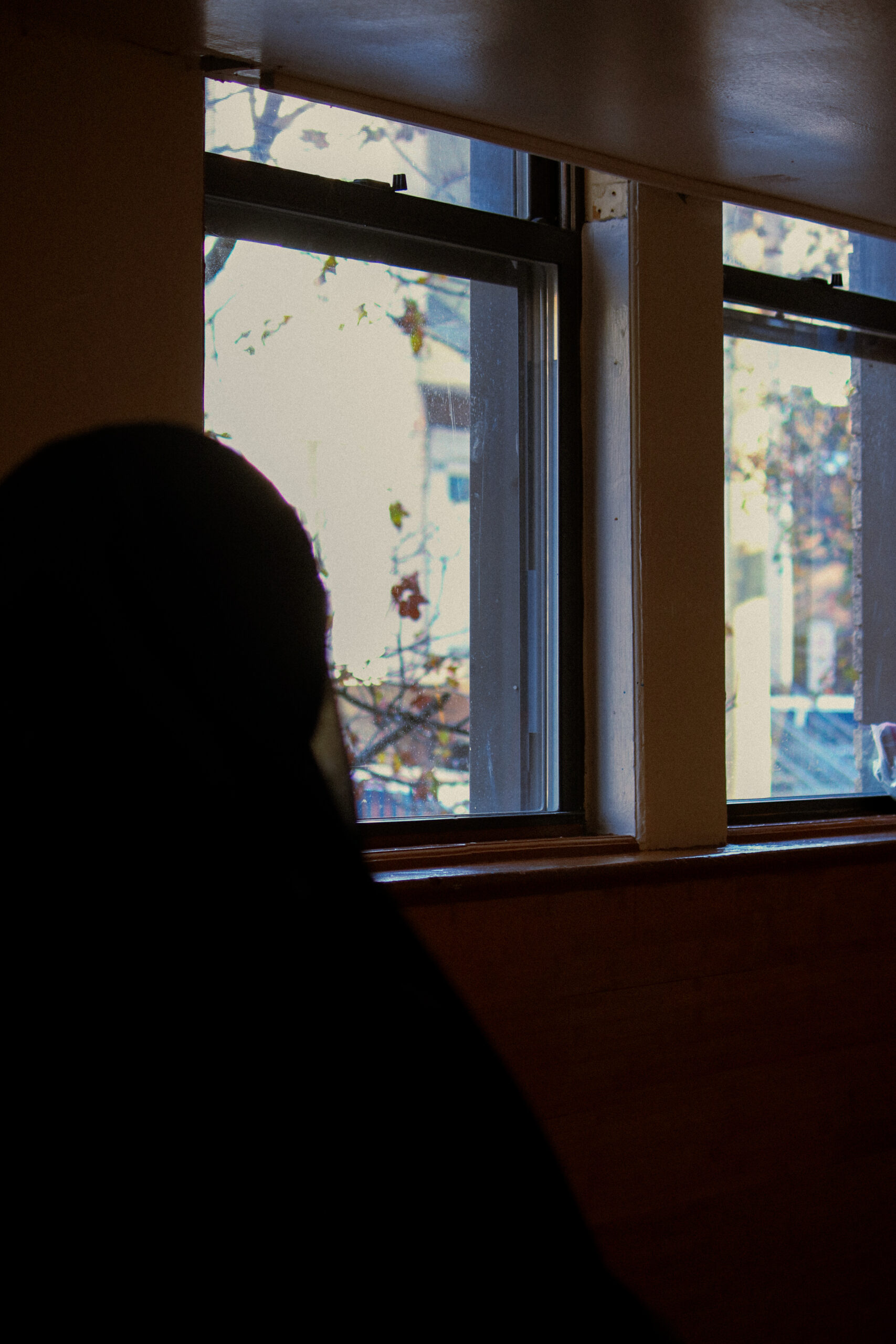
“There’s a lot of anger, there’s a lot of fear because they don’t know what the future [is] holding, especially for the Palestinians who have connections back home. [There is] worry, and always a lot of sadness,” Noor said. “Even though they are continuing their lives and everything, you can see they’re not how they usually would be.”
Memories of enjoying garden-fresh meals with her grandparents and making bread on an open fire is Noor’s “dream to see” as she hopes for a lasting and peaceful future.
Noor said the environmental effects of war are an underrepresented part of the conversation.
Nature is a large part of what connects Noor to her homeland. She describes a higher appreciation and care for the harvest and trees in Palestine, where many have a full diet that consists of what comes from the earth. Because of this, she says Palestinian flora and fauna is unlike the United States and Jordan, where she has previously lived.
“We have to remember that Palestinians, over 75% of them, live from the money they get from their land and from their animals…when you cut them off from the cities, take their farms and their trees and their animals, where else are they getting [food] from?”
An environmental impact report from the United Nations states that the pollution of land and water is equally as urgent an issue as the destruction of infrastructure, though it is less visible. The report states that before the current conflict, Gazan soil was “intensively” used to grow crops like citrus, olives, strawberries, dates, guavas and other fruits and vegetables. The UN now finds that 42.6% of Gaza’s cropland has been damaged, estimated to be worth $629 million.
Though her part in community building is prominent at the center, Noor looks to those in her homeland who persevere despite destruction as motivation to continue.
“When you see them continuing their education, and rebuilding their homes with every ceasefire and every year, you’re like: ‘Okay, what’s my excuse?’ Ending, stopping my life, stopping going to school and stuff being sad, it’s just not going to make a difference,” she said.
“There’s only one way: you have to work on yourself so you can help.”